


The Centre for the Promotion of Private Enterprise has strongly opposed a recommendation by the World Bank urging Nigeria to increase the importation of petroleum products and food to address supply constraints.
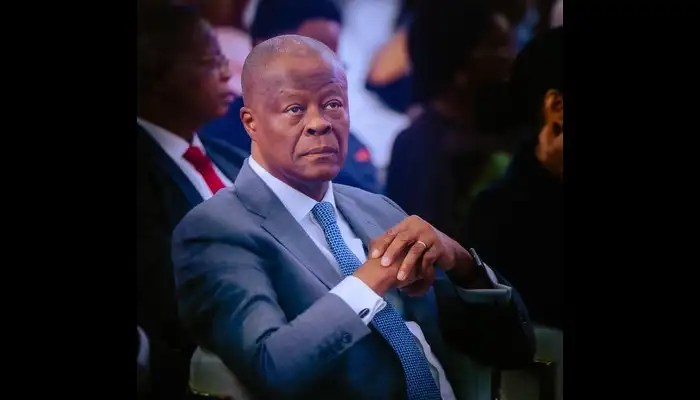
In its 2026 Nigeria Development Update, the World Bank suggested that increased imports could help ease shortages and ilise prices. However, CPPE Chief Executive Officer, Muda Yusuf, described the proposal as “deeply troubling” and out of sync with Nigeria’s current economic direction.

Yusuf argued that Nigeria is making steady progress toward macroeconomic ility, pointing to improvements in foreign reserves, moderating inflation, and a more le exce rate. He stressed that the country is also building capacity for exporting refined petroleum products, a development that should be strengthened rather than undermined.
According to him, increased importation of petroleum products at this stage could reverse these gains by putting additional pressure on foreign exce, weakening domestic refining investments, and exposing the economy to global shocks, especially amid ongoing geopolitical tensions.
He emphasized that Nigeria’s focus should be on boosting local production, ensuring steady crude supply to domestic refineries, and creating a more supportive environment for downstream sector investments. This approach, he noted, is essential for achieving long term energy security and economic resilience.
On food imports, Yusuf warned that liberalising imports could harm local agriculture and slow down industrialisation. He maintained that countries around the world are increasingly prioritising domestic production and protecting critical industries, rather than relying heavily on imports.
The CPPE boss described the World Bank’s recommendation as contradictory to global economic trends, where many developed nations are adopting protectionist measures to strengthen supply chains and reduce external dependence.
He concluded that import driven solutions are not sustainable for Nigeria, warning that such policies could deepen structural weaknesses, accelerate deindustrialisation, and leave the country more vulnerable to external economic shocks.




















Leave a comment