

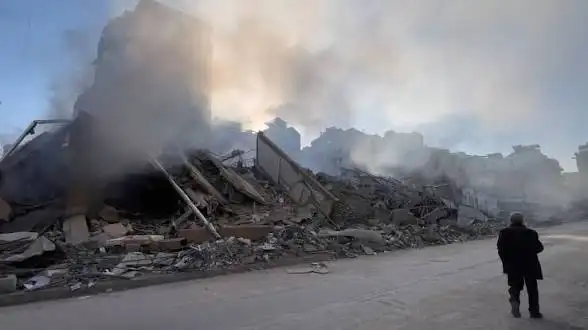
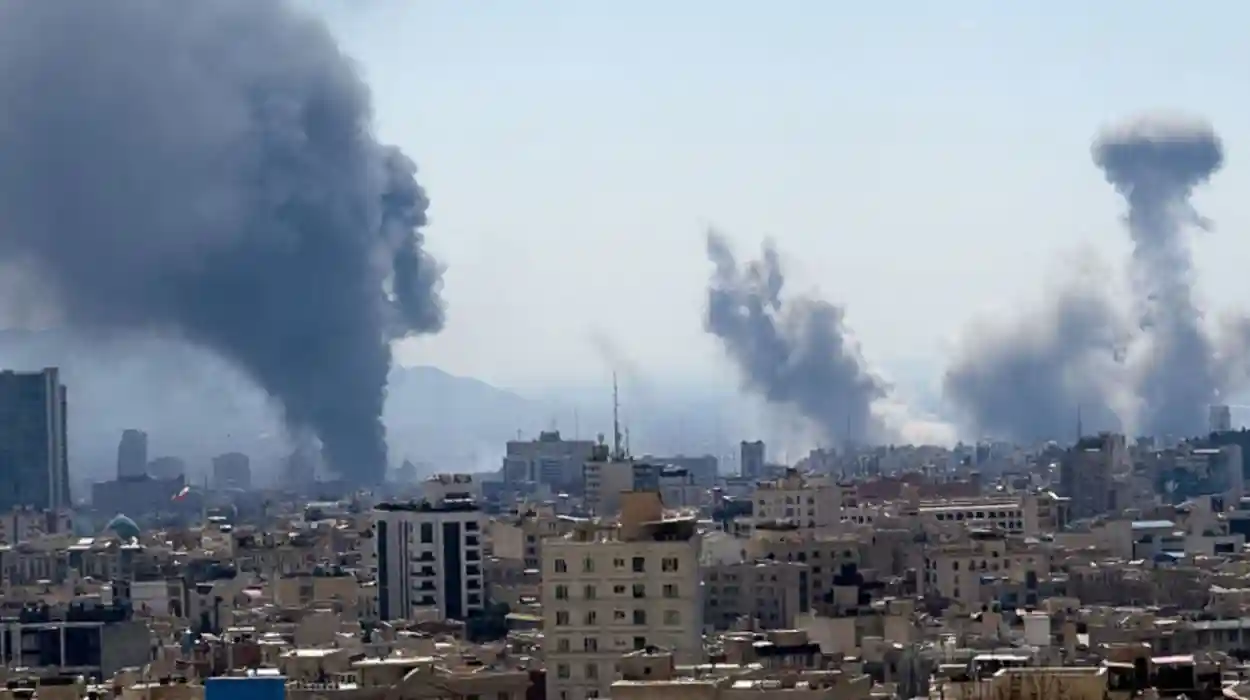
Energy analysts are warning that damage to Iran’s pipeline network and oil storage infrastructure could have serious implications for global energy markets. The country operates an extensive system of pipelines, refineries, and storage depots that move crude oil from production fields to export terminals along the Persian Gulf. As tensions continue across the region, experts say that disruptions to these facilities could significantly affect oil flows reaching international buyers.
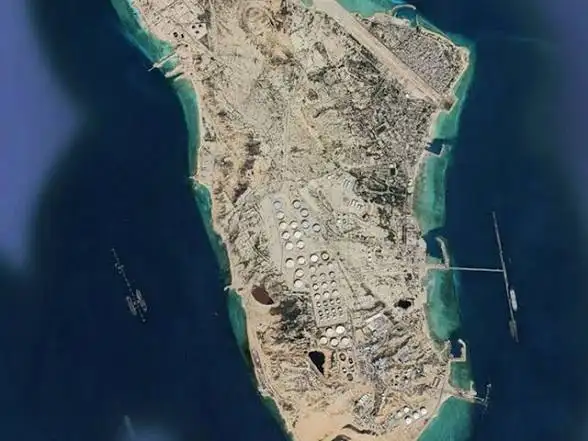
Iran’s energy system relies heavily on interconnected pipelines that transport crude from inland fields to major export hubs. These pipelines are supported by large storage facilities designed to manage fluctuations in production and shipping schedules. If key segments of this infrastructure were to be disrupted, it could delay shipments and reduce the volume of oil available for export.

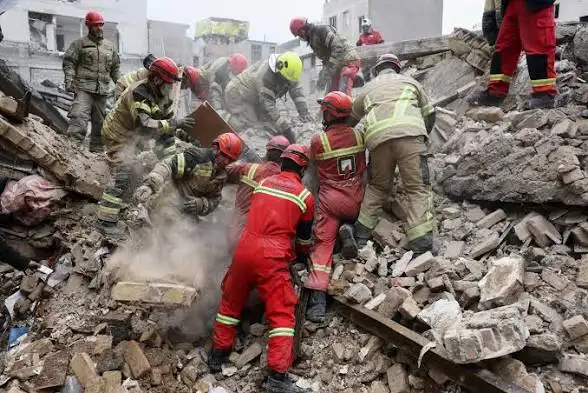
Market specialists emphasize that energy infrastructure is often vulnerable during periods of heightened conflict because pipelines and storage facilities cover vast geographic areas. Even limited damage to these systems can cause logistical bottlenecks that take time to repair. Engineers must often conduct extensive safety inspections before operations can safely resume, which can extend disruptions in supply.
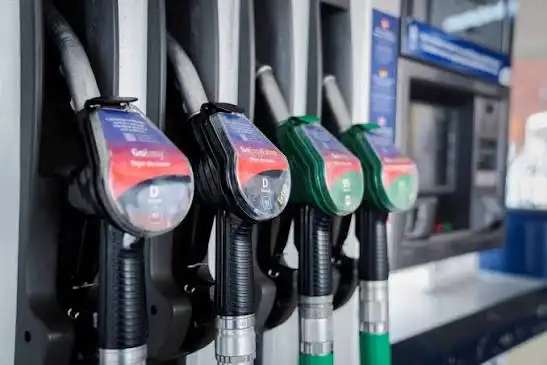
The potential for interruptions has already prompted global energy traders to monitor the situation closely. Oil markets are particularly sensitive to developments affecting major producing regions, and Iran remains one of the largest energy producers in the Middle East. A sustained disruption to pipeline networks or storage terminals could tighten supply conditions, placing upward pressure on energy prices across global markets.
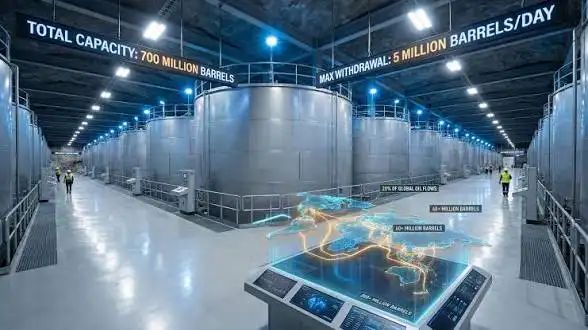
Governments and industry groups are also evaluating contingency plans in case significant disruptions occur. Strategic petroleum reserves and alternative supply arrangements may be considered if global energy flows become constrained. Analysts note that while markets have faced disruptions before, the scale of Iran’s infrastructure means that any extended interruption could have broad economic consequences for industries and consumers around the world.

















Leave a comment