

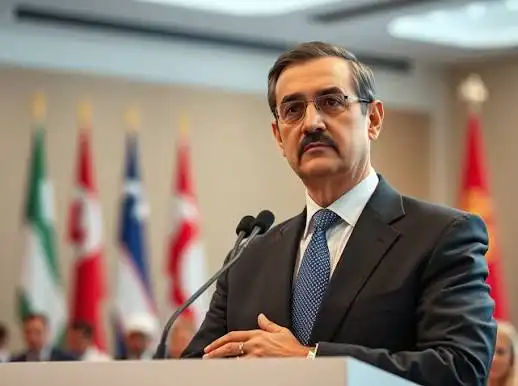
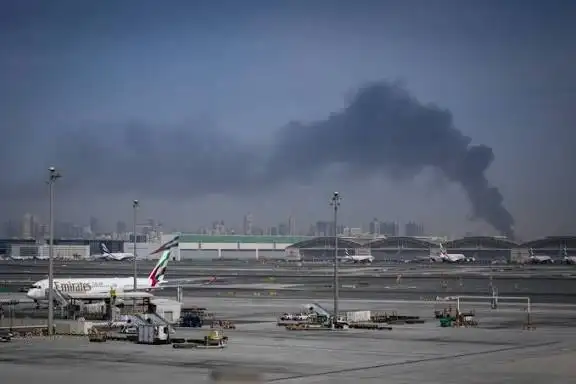
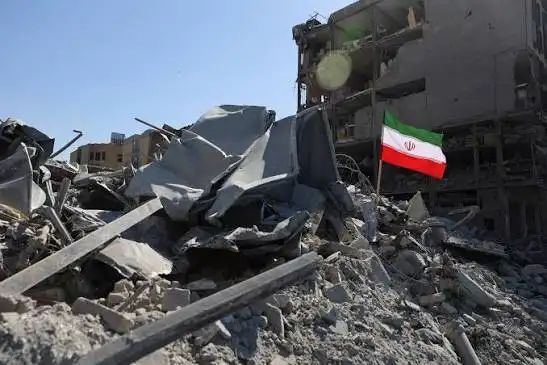
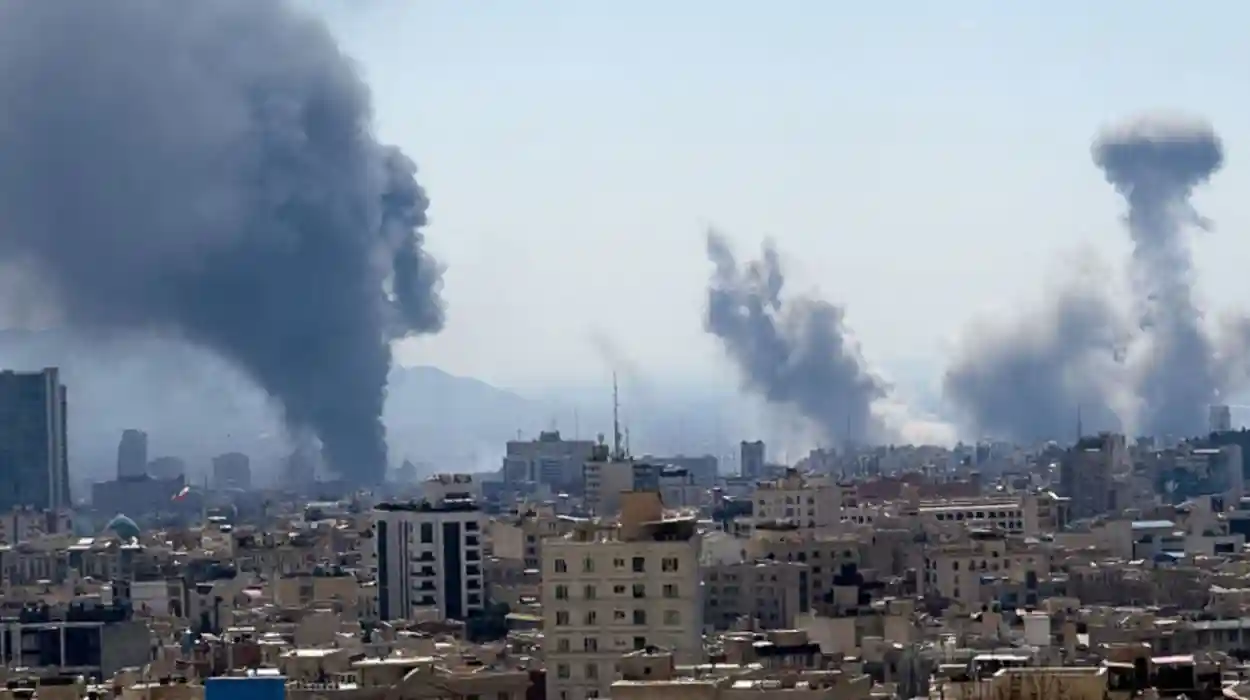
Concern over the ility of the Gulf region is intensifying as Iranian military operations increasingly affect strategic infrastructure tied to global energy supply. Governments across the Middle East are closely monitoring developments after several incidents raised fears that critical facilities connected to oil production and export could face prolonged disruption. The situation has placed additional pressure on regional security systems and prompted new discussions among policymakers about the broader consequences for international markets.
Energy installations throughout the Gulf are considered among the most important in the world, supplying large volumes of crude oil and refined products to international customers. Analysts note that any sustained threat to these facilities can quickly influence global fuel prices and economic confidence. As tensions rise, authorities in several Gulf states have expanded security measures around refineries, storage terminals, and pipeline networks to safeguard operations and maintain the steady flow of energy exports.
The growing risk to infrastructure has also prompted governments to strengthen cooperation on regional defense and surveillance. Military planners are reviewing defensive systems designed to protect vital industrial sites while coordinating with international partners that maintain a presence in the Gulf. Security experts say these steps are intended to reassure global markets that energy production will continue despite the rising geopolitical tension.
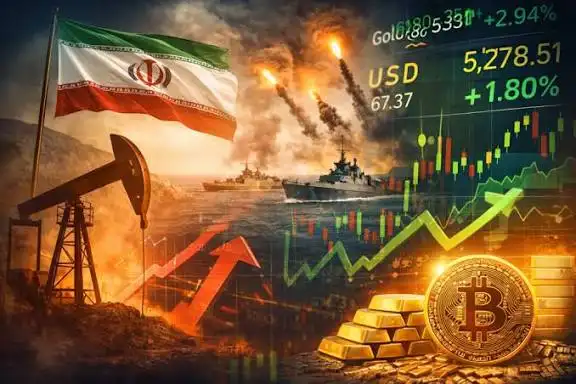
At the same time, financial markets have responded with caution as investors weigh the potential impact of prolonged inility in the region. Oil prices have experienced rapid fluctuations as traders react to reports involving infrastructure and shipping routes connected to Gulf energy production. Insurance companies that support maritime transport are also reassessing coverage conditions for vessels traveling through nearby waters, reflecting the growing uncertainty surrounding the conflict.
Diplomatic engagement is continuing as global leaders seek to prevent the situation from escalating further. Many governments have emphasized the importance of protecting energy infrastructure that supports the international economy and supplies fuel to countries around the world. As the crisis continues to develop, the Gulf region remains a focal point for policymakers and analysts concerned about the long term implications for regional security and global energy ility.
You May Like













Leave a comment