

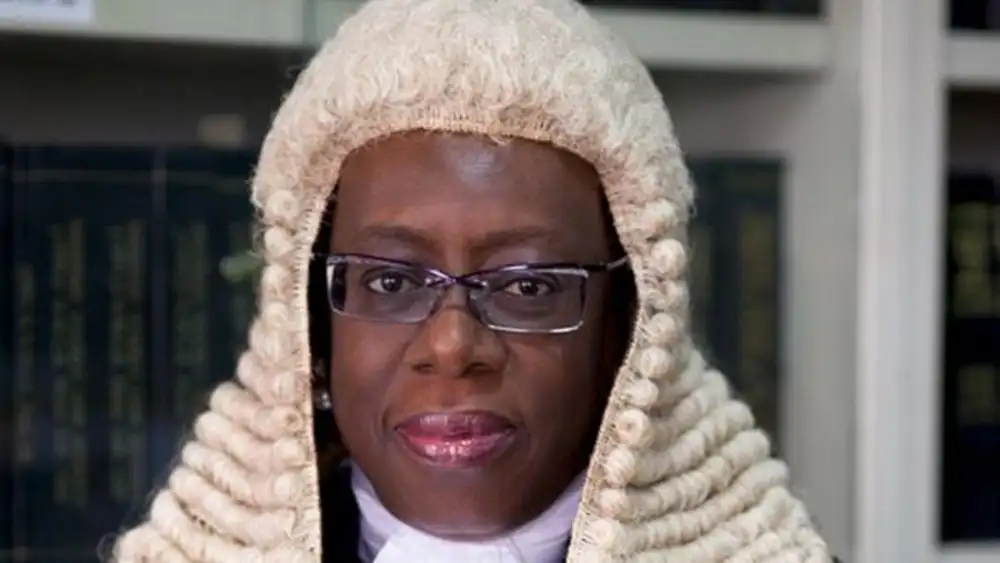
The Chief Justice of Nigeria, Kudirat Kekere-Ekun, has called on judicial officers across the country to maintain the highest ethical standards, warning that every decision they make directly affects public trust in the judiciary.
Speaking at the opening of a national workshop on judicial ethics organised for lower court judges, the CJN emphasized that the role of judges has evolved beyond merely resolving disputes. According to her, modern realities such as rapid technological advancement and increased public scrutiny have significantly reshaped expectations of judicial conduct.

She noted that every ruling, action, and interaction by a judge contributes to how the public perceives fairness, integrity, and accessibility within the justice system. Judges who demonstrate professionalism and impartiality, she said, do more than adjudicate cases—they strengthen confidence in the rule of law.
Justice Kekere Ekun stressed that judicial officers now operate in an environment of constant visibility, where both courtroom decisions and personal behavior are closely monitored. In such a climate, she described ethical standards as the judiciary’s strongest safeguard for independence and credibility.
She further explained that maintaining integrity is both a personal and institutional responsibility that cannot be delegated. While acknowledging that judges are human, she maintained that the nature of their office demands restraint, discipline, and conduct that upholds the dignity of the bench at all times.
The CJN also highlighted the critical role of lower courts, describing them as the closest point of contact between the judiciary and the public. She noted that for many Nigerians, justice is experienced primarily through these courts, making the ethical conduct of their judges especially significant.
In his remarks, Babatunde Adejumo of the National Judicial Institute said the workshop was designed to address real world ethical challenges faced by judges, including heavy caseloads and limited resources.
He added that the training would focus on courtroom management, handling of evidence, avoiding bias, and maintaining judicial decorum.





















Leave a comment