


A familiar pattern is emerging in Washington as lawmakers rally around new internet safety legislation with broad bipartisan support, yet civil liberties advocates warn the bills contain mechanisms that could fundamentally transform how Americans access online information. When politicians invoke protecting children as their primary motivation, experienced observers often look beyond the stated intentions to examine the enforcement mechanisms required to achieve those goals.
Two pieces of legislation currently moving through Congress, the Kids Online Safety Act in the Senate and the Kids Internet and Digital Safety Act in the House, promise to shield minors from online predators, inappropriate content, and digital exploitation. Few would dispute the worthiness of these objectives on their face. However, the technical requirements necessary to enforce age restrictions across the internet reveal a more complex picture that extends far beyond child protection. To verify that users are above a certain age threshold, platforms would need robust identity confirmation systems, a requirement that inevitably sweeps adults into the verification process as well.
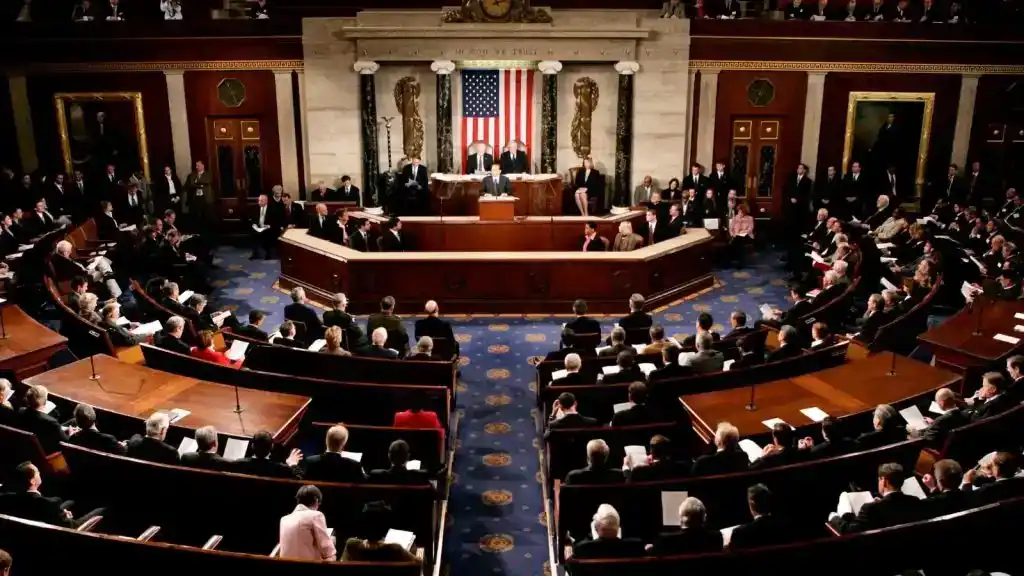
Critics of the legislation draw parallels to long standing debates over firearm regulations, particularly proposals for universal background checks on private gun transfers. Current federal law prohibits the government from creating a centralized database of gun owners, requiring investigators to trace firearms through a decentralized chain from manufacturers to dealers to purchasers. Universal background check proposals for private sales would be difficult to enforce without knowing who possesses which firearms beforehand, effectively requiring the registry that existing law forbids. Opponents argue this represents not genuine crime prevention but rather infrastructure for potential future restrictions.
The digital legislation follows a similar architectural logic, according to privacy researchers. Websites cannot determine user ages through voluntary disclosure alone if the goal is genuine enforcement rather than performative compliance. Platforms facing substantial federal penalties for allowing underage access would almost certainly implement comprehensive identity verification systems. Adults seeking to access political forums, news websites, religious discussions, or social platforms would need to provide government issued identification to prove they fall outside restricted age categories. Anonymous browsing, long considered essential to free expression and political dissent, would become functionally impossible across large swaths of the internet.
International precedents offer glimpses of how such systems operate in practice. Several democratic nations have implemented age verification requirements for certain online content, creating environments where citizens become measurably more cautious about expressing political opinions or accessing controversial information. When every website visit potentially connects to a verified government identity, the chilling effect on speech occurs regardless of whether authorities actively monitor the resulting data. The mere existence of such infrastructure ces behavior, as individuals self censor to avoid creating permanent records of their reading habits, political interests, or unpopular viewpoints.
The convergence of child safety rhetoric with surveillance infrastructure raises fundamental questions about the trade offs between protection and liberty in digital spaces. Proponents maintain that age verification technology can be implemented with privacy preserving measures, using third party validators or cryptographic ods that confirm age without revealing identity to platforms themselves. Skeptics counter that even anonymized verification systems create new vulnerabilities, centralized databases that become attractive targets for hackers, authoritarian governments, or mission creep by well intentioned agencies. As these bills advance through committee hearings and floor debates, the outcome will likely set precedents for internet regulation that extend far beyond the childhood years they nominally protect, reshaping the digital landscape for generations of Americans who simply want to read, speak, and associate freely online.






















Leave a comment