


Cricket’s globalisation has reached a new milestone as Australia’s premier domestic Twenty20 competition prepares to take its season opener beyond national borders for the first time in the league’s history. An official announcement confirmed that the Big Bash League will inaugurate its upcoming season with a match played on Indian soil, representing a seismic shift in how traditional cricket boards approach their domestic competitions.
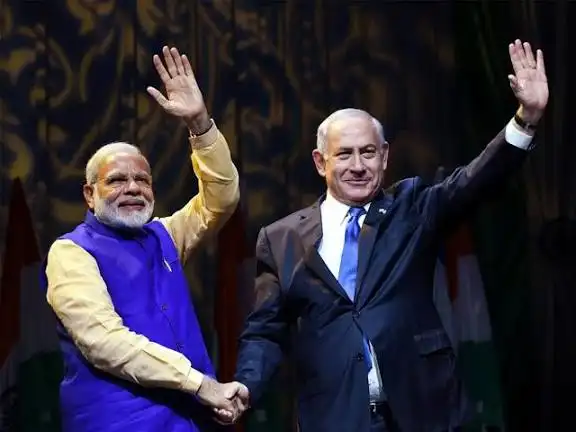
Australia’s Prime Minister delivered the historic announcement during an official visit to the nation, signaling the high level political and commercial significance attached to the decision. The move represents more than just a scheduling curiosity. It reflects the growing economic power of Indian cricket aunces and the lucrative opportunities that come with tapping into a market of over a billion potential viewers. Cricket administrators have long recognised India as the sport’s financial engine, and this unprecedented step acknowledges that reality in concrete terms.
For the Big Bash League, which has struggled at times to maintain its initial momentum in attracting crowds and television aunces domestically, the Indian gambit offers fresh possibilities. Playing in front of packed stadiums in cricket crazy cities could reinvigorate interest not only in the subcontinent but also back home in Australia, where the competition faces stiff challenges from rival sports and entertainment options during the summer months. League officials are betting that the spectacle of an opening match in India will generate buzz and media coverage that traditional marketing campaigns simply cannot buy.
Industry observers note that this decision follows a broader trend of domestic cricket leagues exploring international expansion. Similar experiments have been conducted by other competitions seeking to maximise their global footprint and commercial appeal. However, moving an entire league match, complete with teams, support staff, broadcast operations, and logistics, to another country presents considerable challenges. Questions remain about which Indian venue will host the encounter, how ticket sales will be managed, and whether local cricket authorities will provide the necessary support infrastructure.
Cricket Australia’s willingness to take this bold step also speaks to the deepening ties between Australian and Indian cricket beyond the international arena. With Indian players commanding massive followings and Indian broadcast deals funding much of global cricket’s growth, finding ways to cross pollinate aunces makes strategic sense. Australian stars playing in front of Indian crowds could help build their profiles in crucial markets, potentially leading to more lucrative franchise opportunities and endorsement deals down the line.
As preparations begin for this landmark occasion later in the year, all eyes will be on how successfully the Big Bash League can execute its ambitious vision. Success could open the door to regular international fixtures becoming part of domestic league calendars worldwide, fundamentally reshaping how cricket competitions are structured and marketed. Failure, however, might reinforce conservative thinking about keeping domestic cricket firmly planted at home. Either way, cricket’s ongoing transformation into a truly global entertainment product has just taken another significant leap forward.
You May Like






















Leave a comment