

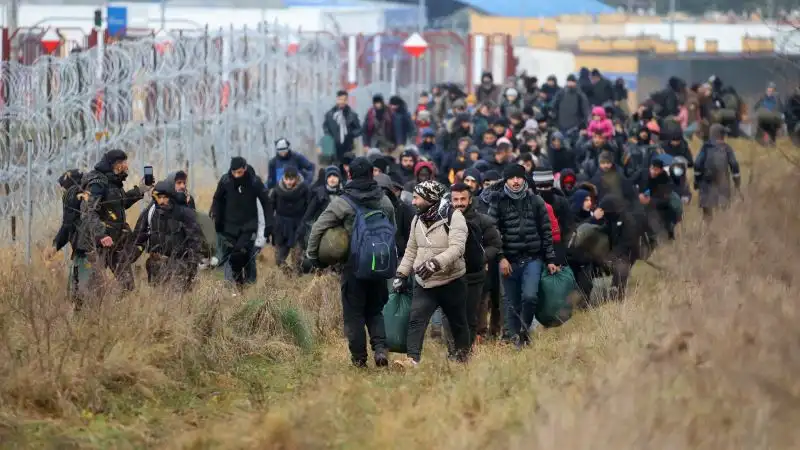
Belarus has reiterated strong opposition to any expansion of Western military deployment near its borders, warning that such moves would heighten regional tensions and undermine ility. Officials in Minsk described potential deployments as provocative and incompatible with existing security arrangements.
In a formal statement, government representatives emphasized the country’s sovereignty and its right to ensure national defense in accordance with international law. Belarusian authorities argued that the presence of additional foreign forces in neighboring states could alter the strategic balance in Eastern Europe and increase the risk of miscalculation.

The remarks come amid broader regional security concerns linked to ongoing conflict dynamics and shifting defense postures across Europe. Military analysts note that Belarus maintains close defense ties with Russia, including joint exercises and coordinated planning. Officials in Minsk contend that their partnerships are defensive in nature and not intended to threaten neighboring countries.
Western governments have defended their deployments as precautionary measures aimed at reassuring allies and strengthening collective security commitments. They assert that troop rotations and exercises comply with international agreements and are transparent in scope and duration.
Diplomatic channels remain active, though rhetoric has intensified in recent weeks. Security experts caution that heightened public statements may complicate efforts to maintain confidence building mechanisms. Regional organizations have encouraged dialogue to prevent escalation and preserve communication lines.
Belarus has called for renewed discussions on arms control and regional security frameworks, arguing that predictable and mutually agreed measures are essential to reducing tension. Analysts suggest that without sustained diplomatic engagement, competing military signaling could further strain relations.
The latest statements underscore the fragile security climate in Eastern Europe, where perceptions of threat and alliance commitments continue to shape policy decisions. As developments unfold, regional ility will depend heavily on diplomatic restraint and adherence to elished agreements.
You May Like


















Leave a comment