

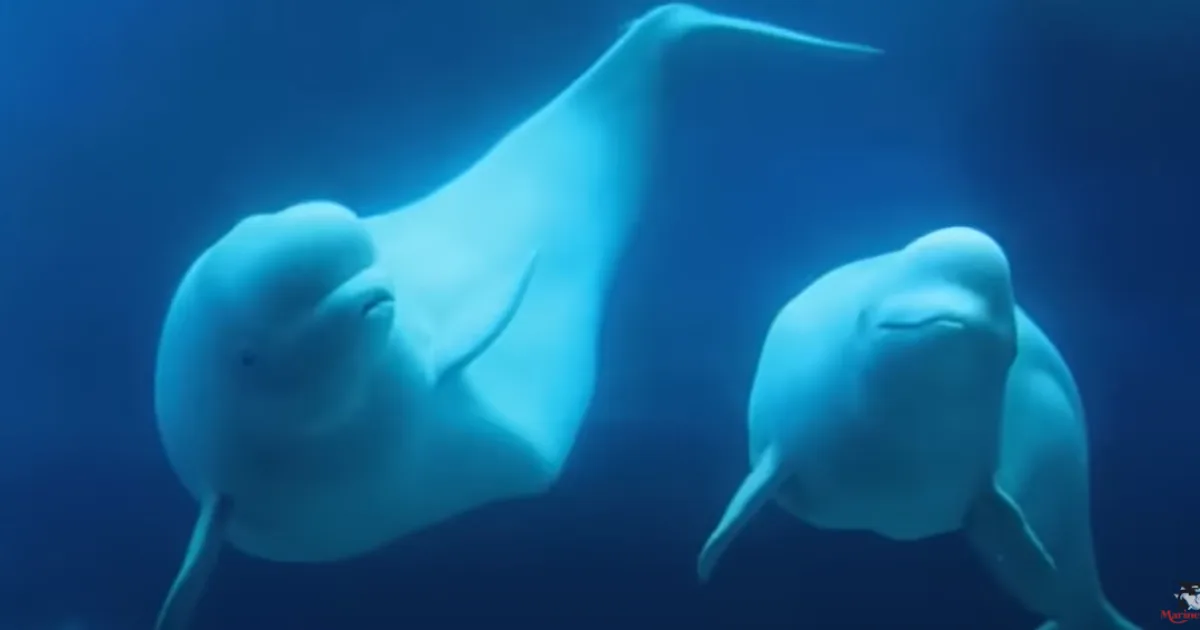
A national animal law advocacy organization is pressing the Canadian government to impose strict conditions on the export of 30 beluga whales from the shuttered Marineland facility in Niagara Falls, Ontario, demanding guarantees that the marine mammals will never be bred or forced to perform for entertainment at their new American homes. Animal Justice issued its challenge to Ottawa on Wednesday, the same day the U.S. National Oceanic and Atmospheric Administration approved an emergency rescue operation that will see 28 of the whales distributed among four American aquariums, with two additional whales destined for a Spanish facility still awaiting government permits.
The call for additional safeguards comes as the federal government moves forward with what it describes as a rescue plan in the best interest of the animals. Canadian Fisheries Minister Joanne Thompson’s office has confirmed that export permits will require health assessments by accredited Canadian veterinarians before any transfers can proceed, but stopped short of explicitly committing to ban breeding or entertainment use at the receiving facilities. Erik Nosaluk, deputy director of communications for the minister’s office, stated that Thompson will provide final authorizations under the Fisheries Act once veterinary health checks are completed, adding that the minister has determined the proposed plan serves the animals’ best interests as required by Canadian law.
For decades, Marineland drew massive crowds to witness orcas, belugas, and dolphins performing elaborate tricks in choreographed shows, but public sentiment shifted dramatically against the practice of using captive marine mammals for entertainment. Marineland eventually closed its doors to the public in 2024, leaving the fate of its whale population uncertain until the current rescue effort gained momentum. Animal Justice argues that shipping these whales to new facilities only to subject them to similar entertainment routines would undermine the very purpose of relocating them from their troubled former home.
Federal policy governing ministerial permits for exporting living cetaceans explicitly states that destination facilities must agree not to breed or impregnate any cetacean exported from Canada. However, advocates want ironclad assurances written directly into the transport permits themselves, creating an additional layer of legal protection beyond existing policy guidelines. The distinction matters because policy can shift with political winds, while permit conditions carry the force of regulatory enforcement and would apply specifically to these particular animals.
All four receiving American aquariums hold accreditation from the Association of Zoos and Aquariums, a designation that requires extensive documentation and multiple days of on site inspection by independent zoological professionals. Accreditation teams examine every aspect of facility operations, from animal care protocols and veterinary standards to staff training programs and habitat conditions. Association officials maintain that their standards represent the gold standard in marine mammal care, though animal welfare advocates counter that no amount of quality care justifies keeping highly intelligent, wide ranging species in captivity for human purposes.
As the complex logistics of transporting 30 large marine mammals across international borders move forward, the debate over their ultimate treatment at destination facilities will likely intensify. Animal Justice and allied organizations have signaled they will closely monitor the permit process and may pursue legal challenges if breeding and entertainment prohibitions are not explicitly codified. Meanwhile, the Spanish government continues deliberating over permits for the two whales designated for European transfer, adding another layer of uncertainty to an already complicated international rescue operation. How Canadian officials resolve the breeding and entertainment questions will set precedent for any future cetacean transfers and may influence broader conversations about the ethics of keeping whales and dolphins in captivity at all.
















Leave a comment