

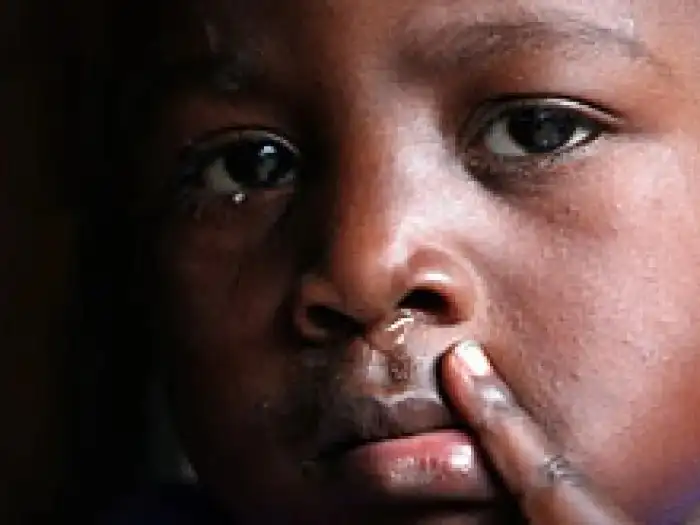
A troubling shift is emerging within Nigeria child welfare system as orphanages report a steady decline in the number of children under their care, raising fears of a growing underground trade in newborns.
At the center of these concerns is Holyland Homes, located in Owerrinta. Its Chief Executive Officer, Gideon Ijeoma Nwandire, warns that the reduction in abandoned children is not a sign of societal progress but evidence of a more dangerous trend.

According to him, increasing numbers of young girls are now selling their babies instead of leaving them in care homes. “It has become a business,” he said, describing a system driven by poverty, stigma, and desperation.
For decades, orphanages served as safe havens for children abandoned due to hardship or social pressures. Today, that pathway is shrinking. Instead of entering regulated care systems, many newborns are allegedly diverted into illegal networks where they are sold, sometimes for exploitation or ritual purposes.
This shift has led to the rise of so called “baby factories,” unregulated facilities where pregnant girls are sheltered until childbirth, after which their babies are sold. The practice has raised serious ethical and security concerns, as many of these children disappear into channels beyond government oversight.
Despite fewer children in orphanages, demand for adoption remains high. However, strict procedures managed by the Ministry of Women Affairs and Youth Development mean that prospective parents often face long waits due to the shortage of legally available infants.
Dr Nwandire noted that while some children still arrive through referrals by security agencies or struggling parents, such cases have significantly reduced. This creates a disturbing gap between visible statistics and hidden realities.
Experts warn that without urgent intervention, the trend could fuel a shadow economy built on human exploitation. They emphasize the need for stronger monitoring systems, increased public awareness, and economic support for vulnerable mothers.
Beyond policy debates, the issue highlights a deeper moral question about the value placed on human life. As Nigeria confronts economic hardship and social challenges, stakeholders say immediate action is needed to prevent more children from slipping into unregulated and potentially dangerous systems.
You May Like


















Leave a comment