

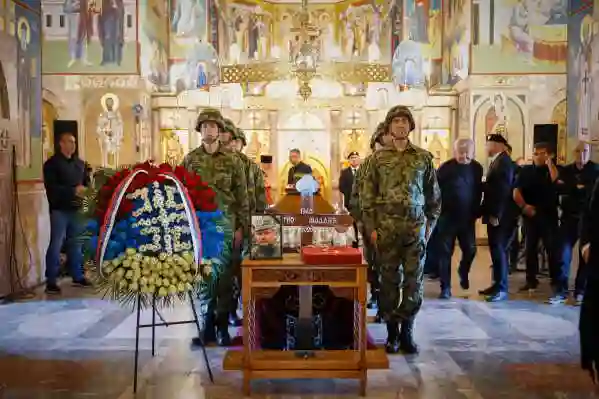
Thousands of mourners flooded the streets of Belgrade on Monday to honor Ratko Mladic, the Bosnian Serb commander convicted of orchestrating Europe’s worst genocide since World War Two. The 84-year-old d on August 27 while serving a life sentence in The Hague for war crimes, including the 1995 massacre of more than 8,000 Muslims in Srebrenica.
The funeral was anything but modest. Crowds gathered early at the Serbian Orthodox Church of St. Luke, where Mladic lay in state flanked by military personnel. Mourners kissed his coffin, held up images of the convicted commander, and some even brought young children to pay respects. His son, Darko Mladic, carried his father’s military cap and sabre into the church before a massive procession to Topcider Cemetery.

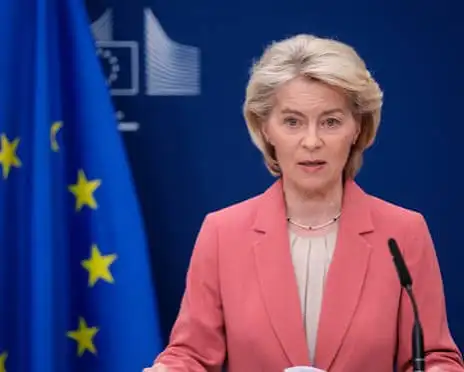
But not everyone sees a hero. The European Union issued a swift rebuke, stating that any glorification of war criminals has no place in EU candidate countries. Officials emphasized solidarity with victims, survivors and their families who suffered during the Western Balkan conflicts of the 1990s.
The spectacle raises uncomfortable questions about Serbia’s readiness for European integration. Can a nation seeking EU membership simultaneously celebrate a man convicted of crimes against humanity? The funeral suggests that for many Serbs, the answer remains deeply divided.













Leave a comment