

Indonesia’s traditional commitment to an independent, non-aligned foreign policy faces mounting pressure as Beijing’s economic footprint expands across the archipelago nation’s most strategic industries, according to fresh analysis published this week.
The warning comes at a delicate time. Southeast Asia’s largest economy has become increasingly dependent on Chinese capital flowing into electric vehicles, nickel processing, telecommunications and renewable energy. Chinese firms now dominate entire supply chains in Indonesia’s booming EV sector, from extracting nickel to selling finished vehicles on showroom floors. BYD and other brands have captured significant market share while Chinese investors control much of the nickel processing industry that feeds global battery production.
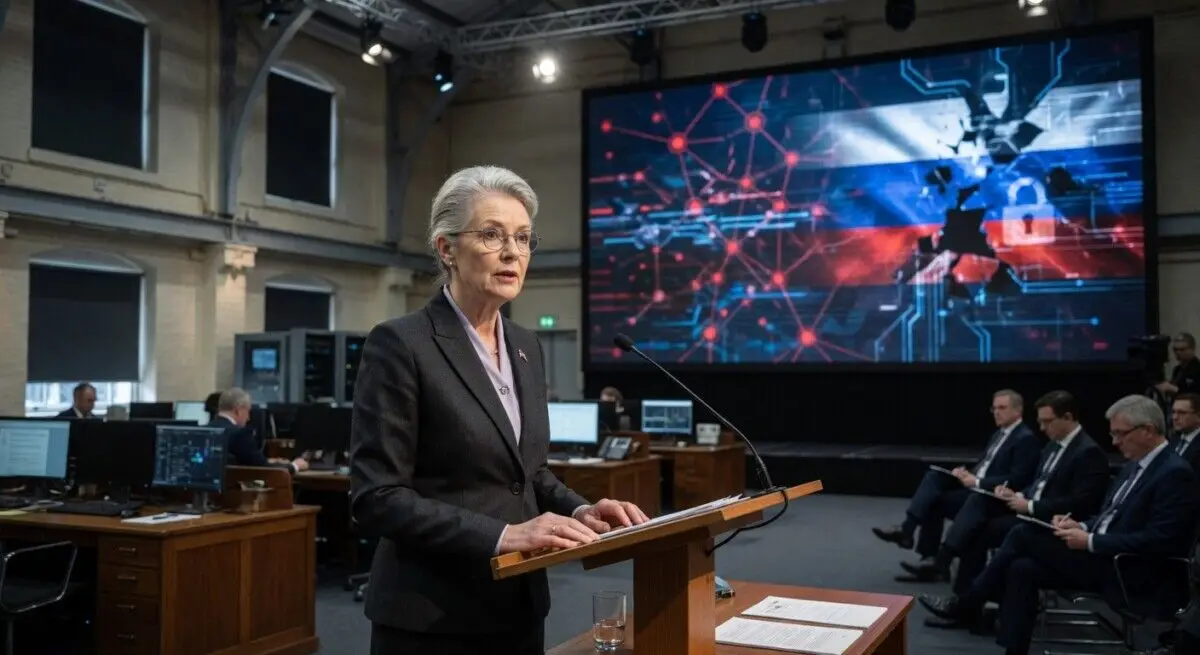
Can Jakarta maintain its strategic flexibility? That’s the question worrying regional observers as Chinese equipment becomes embedded in Indonesia’s 5G infrastructure rollout.
The analysis notes that while Indonesia maintains security partnerships with the United States, Japan and Australia through joint military exercises, economic ties with China are deepening far more rapidly. Beijing’s ability to deliver large-scale investment and technology transfer aligned with Indonesia’s development goals gives it growing leverage over the only ASEAN member in the G20.
Indonesia has moved c to China than any other major Southeast Asian nation over three decades, driven primarily by economic imperatives rather than ideological alignment.



















Leave a comment