

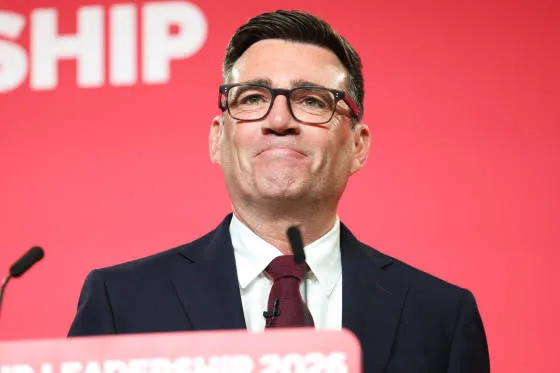
Prime Minister Andy Burnham finds himself navigating treacherous political waters on three fronts this week, starting with a contentious first official visit to Northern Ireland. The trip placed him at loggerheads with Sinn Féin leader Mary Lou McDonald over calls for a border poll, with McDonald warning he cannot simply “bury his head in the sand” on the issue. Burnham reportedly “put his foot down” on the matter.
Meanwhile, the UK is celebrating developments in Syria. Kate Foster, the UK’s deputy permanent representative to the UN, welcomed the dissolution of the Kurdish-led Syrian Democratic Forces into central government structures on August 28. “This is an important step towards a peaceful, le, and unified Syria,” she declared, framing the move as a milestone in the country’s political recovery.
But perhaps the most significant strategic shift involves Europe’s defense architecture. Royal Navy Commander General Gwyn Jenkins suggested the UK-led Joint Expeditionary Force could effectively replace NATO in northern Europe. Why does this matter? The coalition of ten nations doesn’t require full consensus to act, offering what Jenkins called “political flexibility” in crisis response.
Elished in 2014, the JEF includes Denmark, Iceland, Latvia, Lithuania, the Netherlands, Norway, Finland, Sweden, and Estonia. Three crises, one week. Burnham’s government isn’t short on challenges.











Leave a comment