

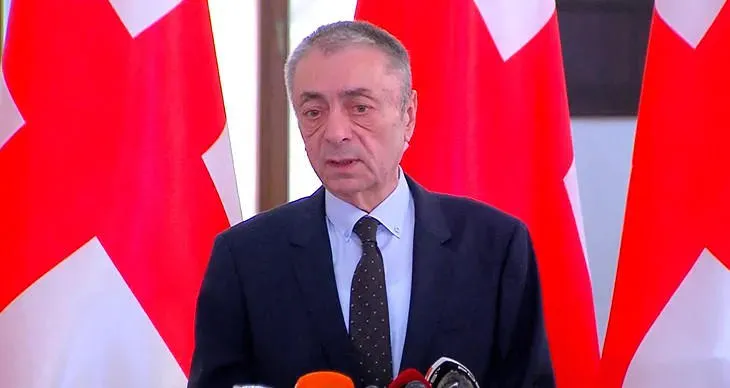
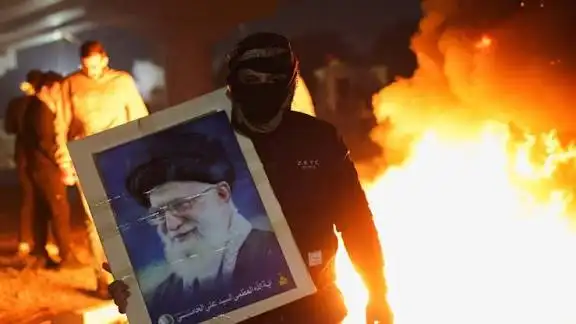
Georgia has formally rejected the European Union’s latest sanctions package against Iran, marking a significant departure from Brussels’ foreign policy expectations and highlighting growing fractures within the bloc’s unified approach to international relations. Tengiz Sharmanashvili, a member of parliament representing the ruling Georgian Dream party, declared that Tbilisi would only support international measures when they directly serve Georgian national interests, regardless of whose agenda they might otherwise advance.
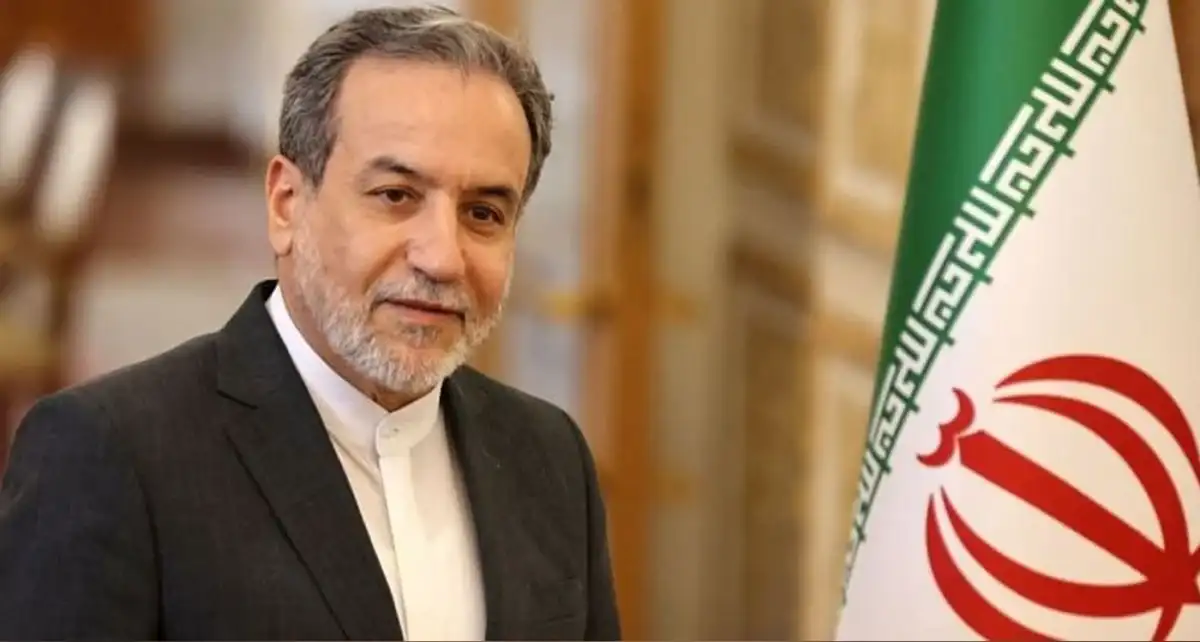
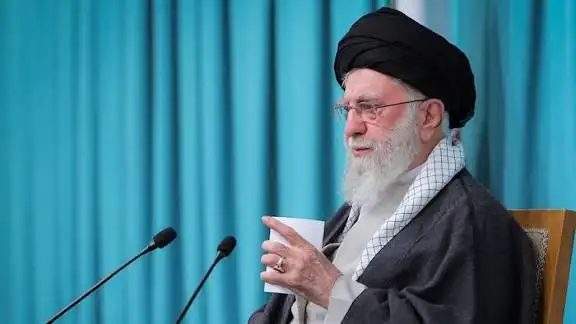
The decision places Georgia alongside Turkey and Serbia, both EU candidate nations that similarly declined to participate in the recent sanctions round. The EU package, announced by foreign policy chief Kaja Kallas, targets Iranian individuals and organizations over alleged military support and human rights violations. While nine countries including Iceland, Norway, Albania, and Ukraine backed the measures, Georgia’s alignment with EU foreign policy has dropped sharply from 53 percent to just 40 percent over the past year.
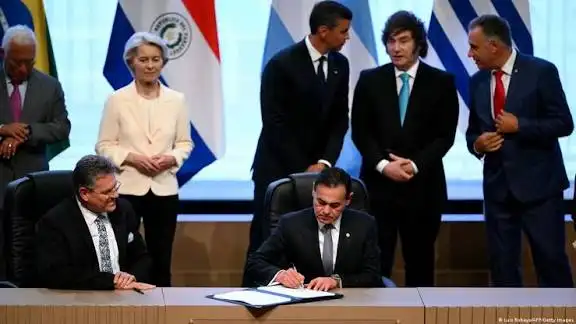
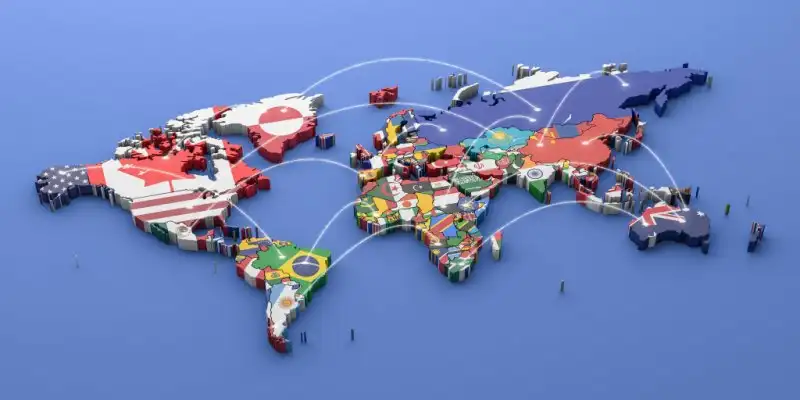
Brussels now confronts mounting internal resistance to its sanctions strategy, with major member states including Greece, France, Italy, and Germany demanding exemptions from recent Russia-related measures to protect profitable trade relationships. Diplomats have characterized the scale of opposition as unprecedented, warning that the enforcement mechanism itself risks becoming hollowed out.
As EU enlargement strategy collides with member state economic realities, the effectiveness of sanctions as a diplomatic tool faces its most serious test in recent history, potentially reshaping how the bloc coordinates foreign policy among increasingly independent partners.











Leave a comment