
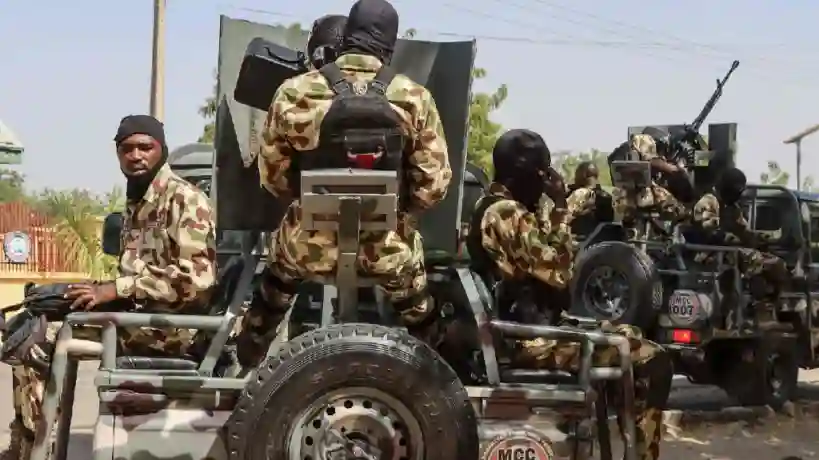

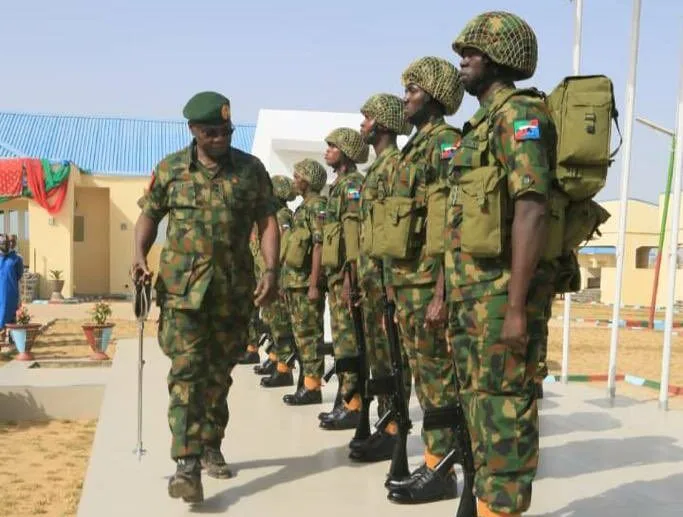
Nigeria’s Defence Headquarters has confirmed an attempted cyber targeting its official X account, raising fresh concerns about the vulnerability of critical government communication channels to digital infiltration. Major General Samaila Uba, Director of Defence Information, disclosed the security breach on Saturday, describing the incident as a serious cybersecurity matter requiring immediate technical intervention. Authorities have activated emergency protocols to secure the compromised account and prevent further unauthorized access by unknown actors.
The military elishment has urged Nigerians to exercise caution and disregard any suious or misleading content that may appear on the account while recovery efforts continue. Defence officials emphasized that technical teams are working round the clock to fully restore control of the platform, which has become a crucial channel for disseminating information about military operations and security developments across the country. Members of the public, media organizations, and other stakeholders have been advised to verify all military communications through alternative official channels during this period.

As a precautionary measure, Defence Headquarters has directed Nigerians to rely on its verified presence across other social media platforms, including Facebook, Instagram, and its official WhatsApp channel. These alternative communication streams remain secure and operational, providing accurate updates on Armed Forces activities while the X account undergoes security restoration. The directive underscores the growing importance of maintaining multiple verified communication channels in an era of increasing digital threats.
The attempted breach highlights the escalating cyber risks facing government institutions in Nigeria, particularly as military and security agencies increasingly depend on digital platforms to engage with citizens and share critical information. Over recent years, the Armed Forces have expanded their social media footprint to improve transparency and public communication around counter insurgency operations, peacekeeping missions, and national security initiatives. Such platforms have become vital tools for combating misinformation and providing timely updates during security crises.

Cybersecurity experts have long warned that official government accounts represent high value targets for hackers seeking to spread disinformation, damage institutional credibility, or access sensitive information. A successful compromise of military communication channels could potentially enable adversaries to disseminate false operational updates, create public panic, or undermine confidence in security institutions. Defence authorities have assured the public that they remain committed to maintaining the highest standards of information security and protecting the integrity of official communications.
Military officials have promised to provide additional updates as the situation develops, expressing appreciation for public understanding and vigilance during the recovery process. The incident serves as a stark reminder of the evolving nature of security threats in the digital age, where traditional military capabilities must be matched by robust cyber defense mechanisms. How quickly authorities can restore full control of the account, and what measures will be implemented to prevent future breaches, remain critical questions as Nigeria’s defense elishment navigates the complex intersection of national security and digital communication in an increasingly connected world.















Leave a comment