

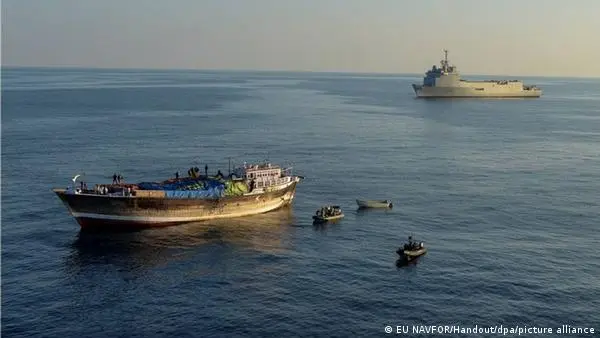
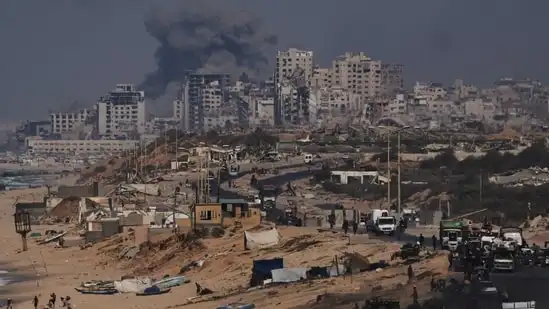
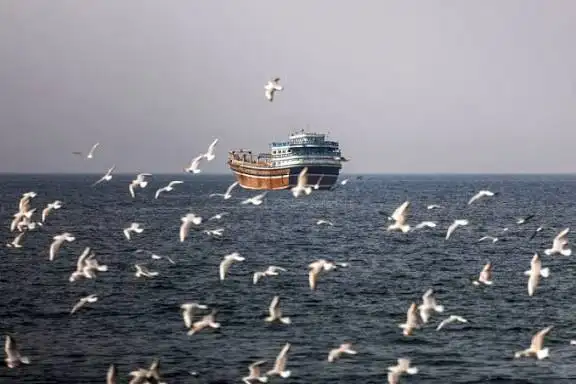
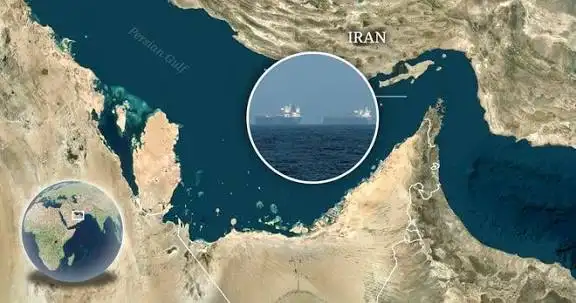
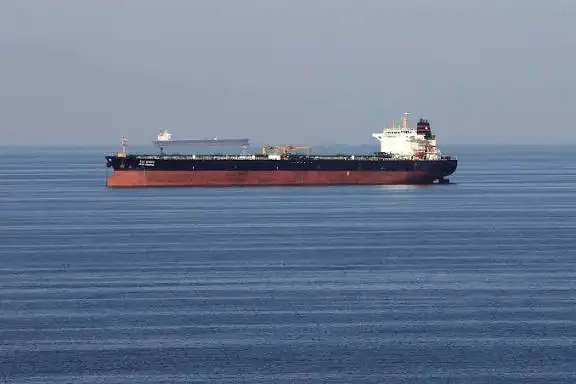
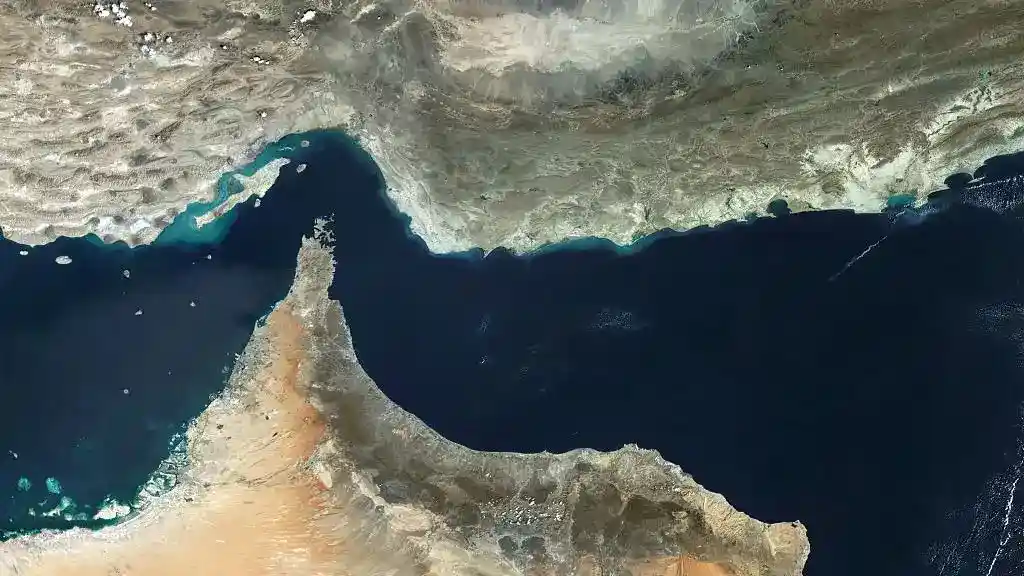
Commercial shipping lanes off the eastern coast of Africa have become hunting grounds once again as Somali pirates capitalize on a dramatic surge in maritime traffic forced to bypass the closed Strait of Hormuz. Between April and July 2026, three oil tankers were hijacked in waters off Puntland and the Gulf of Aden, representing the largest coordinated s by Somali pirates in years. With hundreds of vessels now taking longer routes around the African continent to avoid conflict zones in the Persian Gulf, pirates have found themselves with an abundance of targets spread across thousands of miles of ocean.
Somali piracy had been largely suppressed following its 2011 peak, when an international naval crackdown reduced s to minimal levels. Yet the revival began in late 2023 as Houthi militants launched s in the Red Sea, forcing commercial vessels away from the Suez Canal route toward the Cape of Good Hope. Now, with Western naval resources concentrated on operations in the Persian Gulf, enforcement along African waters has weakened dramatically. Security experts warn that pirates are operating in what amounts to a maritime vacuum, with minimal deterrence or interdiction capability.
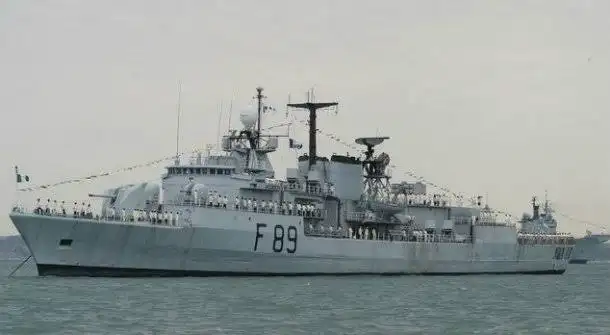
Today’s pirate operations bear little resemblance to the disorganized coastal raiders of the early 2000s. Contemporary groups operate with military precision, ranging far from shore with advanced weaponry and sophisticated tracking technology. According to reports from a United Nations panel of experts, direct coordination now exists between Yemeni militants and Somali pirate networks. Houthi groups have allegedly supplied Somali cells with advanced weapons, military training, and precision GPS tracking devices capable of pinpointing commercial vessels across vast ocean expanses. In return, pirates create maritime chaos that keeps Western naval forces dispersed and distracted from other strategic objectives.
Al-Shabaab, recognized as one of Africa’s most lethal terrorist organizations, provides crucial onshore support for pirate operations along the Somali coast. Intelligence assessments indicate the group receives up to 30 percent of ransom payments from successful hijackings, creating a lucrative revenue stream that funds broader terrorist activities. Ransom demands have escalated dramatically, with pirates demanding $10 million for one hijacked tanker and $3 million for another vessel, crew, and cargo combined. A Chinese fishing vessel that was hijacked and released in March 2026 reportedly generated between $1.2 million and $1.5 million in ransom, the same vessel having produced $2 million when captured in 2024. Counter-piracy officials believe these successful payments have catalyzed the current wave of s.

Historical data reveals the scope of the piracy economy. Between 2005 and 2012, Horn of Africa piracy generated over $400 million in ransom payments from 179 hijacked ships, averaging roughly $2.23 million per vessel according to joint research by Interpol, the World Bank, and the United Nations Office on Drugs and Crime. Payments follow a structured distribution model, with pirate crews typically receiving 10 to 15 percent, local financiers claiming 30 to 50 percent for providing fuel, weapons, and provisions, and the remainder laundered into seemingly legitimate business enterprises. Financial networks supporting piracy have grown increasingly sophisticated, making interdiction and asset seizure challenging for international authorities.
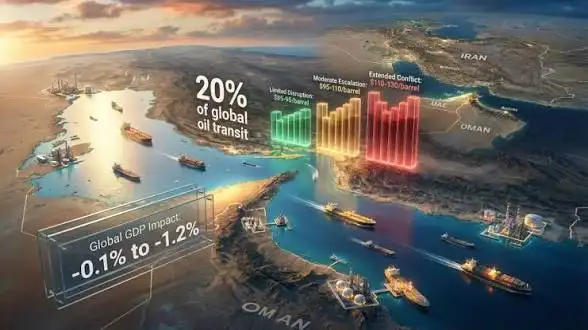
Meanwhile, the Gulf of Guinea has emerged as another critical piracy hotspot, leveraging the region’s oil and gas wealth and battle-hardened militias from secessionist movements in the Niger Delta. Although local naval forces have achieved some success curbing s in territorial waters, pirates have adapted by deploying heavily armed mother ships to strike targets well beyond exclusive economic zones and state jurisdiction. Insurance premiums reflect the escalating risk, with war coverage for vessels transiting the Persian Gulf and Strait of Hormuz soaring from pre-conflict levels of 0.15 to 0.25 percent of vessel value to as high as 7.5 to 10 percent per voyage. As commercial shipping continues rerouting around Africa and naval resources remain stretched thin, the maritime security crisis shows no signs of abating, threatening global supply chains and humanitarian concerns for captured crews held hostage in one of the world’s most unle regions.

















Leave a comment