
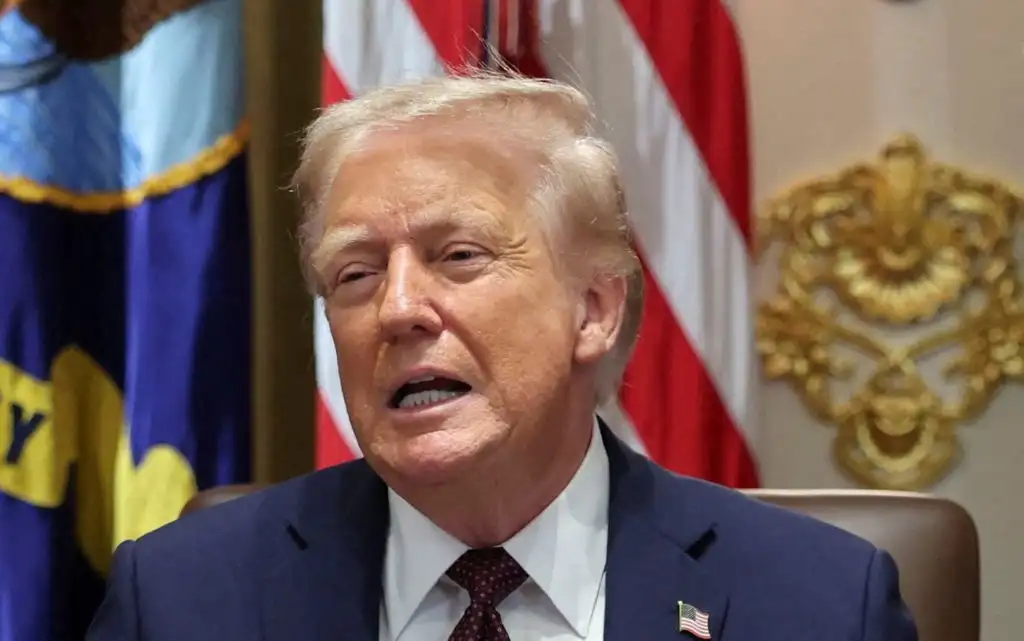
A sweeping legal challenge mounted by 25 states threatens to derail the Trump administration’s latest attempt to impose widespread tariffs, with state attorneys general arguing the president is illegally circumventing a Supreme Court defeat through creative use of trade enforcement powers. The lawsuit, filed Monday, targets new double digit levies on 59 countries and the European Union that took effect just as temporary tariffs expired in late July.
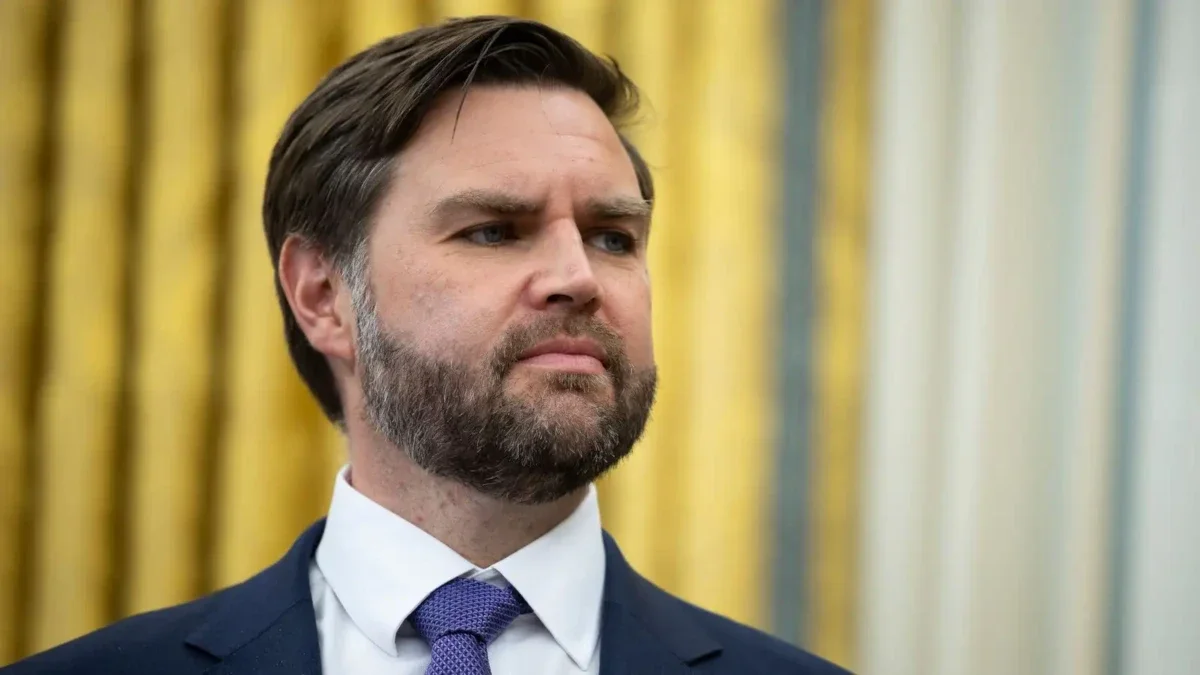
At the heart of the dispute is whether President Donald Trump can legally justify tariffs affecting 99 percent of American imports by citing inadequate foreign enforcement of forced labor prohibitions. New York Attorney General Letitia James, among the coalition of state leaders bringing the case, framed the dispute as a transparent attempt to resurrect taxes the nation’s highest court already rejected. The forced labor tariffs, ranging from 10 to 12.5 percent, apply to virtually all major trading partners and represent the administration’s third attempt this year to maintain revenue from import duties after previous legal setbacks.
The legal battle stems from a February Supreme Court ruling that found the International Emergency Economic Powers Act, which Trump initially invoked to justify tariffs based on trade deficits, did not authorize such presidential action. That decision forced the administration to issue refunds to importers and scramble for alternative legal authority. Trump temporarily filled the gap with 10 percent worldwide tariffs, but those expired at midnight on July 24, creating pressure to find a more durable legal foundation.
Administration officials now argue they stand on firmer legal ground by invoking Section 301 of the Trade Act of 1974, a provision that permits the president to impose import taxes against countries engaging in unfair trade practices. White House spokesman Kush Desai defended the move as a lawful exercise of authority to address foreign countries’ failure to enforce prohibitions on goods produced with forced labor. Section 301 previously survived court challenges during Trump’s first term when applied to Chinese imports, giving the administration confidence in its legal strategy.
The dispute reflects a fundamental transformation in American trade policy that began when Trump reversed decades of consensus favoring lower tariffs and freer trade. Arguing that high import taxes will revive domestic manufacturing, the president has consistently pushed the boundaries of executive authority over trade matters. Legal experts note that while Section 301 has proven durable in targeted applications, using it to justify tariffs covering nearly all imports represents an unprecedented expansion that courts may view skeptically.
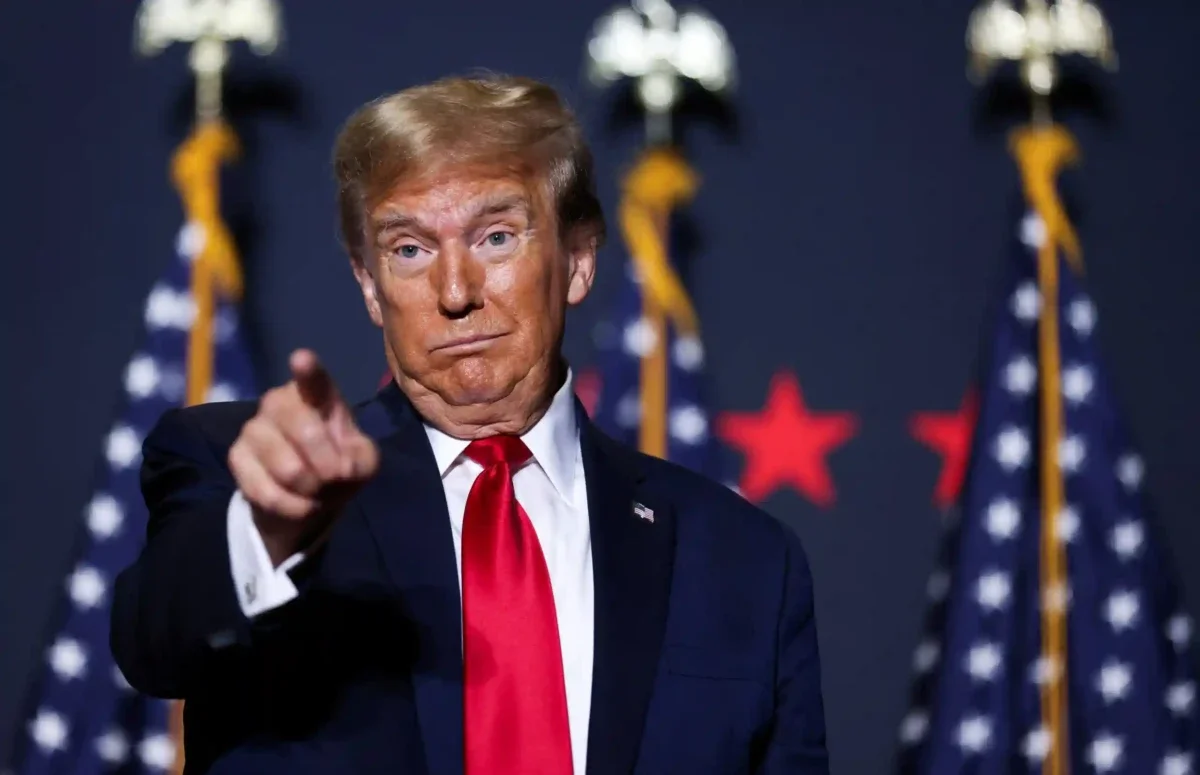
Whether the lawsuit succeeds will likely determine not only the fate of billions in tariff revenue but also the scope of presidential power over trade policy for years to come. Courts will need to decide if concern over forced labor in global supply chains genuinely justifies sweeping tariffs or whether the administration is simply repackaging previously rejected policies under new legal cover. With oral arguments expected in coming months and potential appeals likely regardless of the initial outcome, American businesses and consumers face continued uncertainty about import costs well into next year.













Leave a comment