

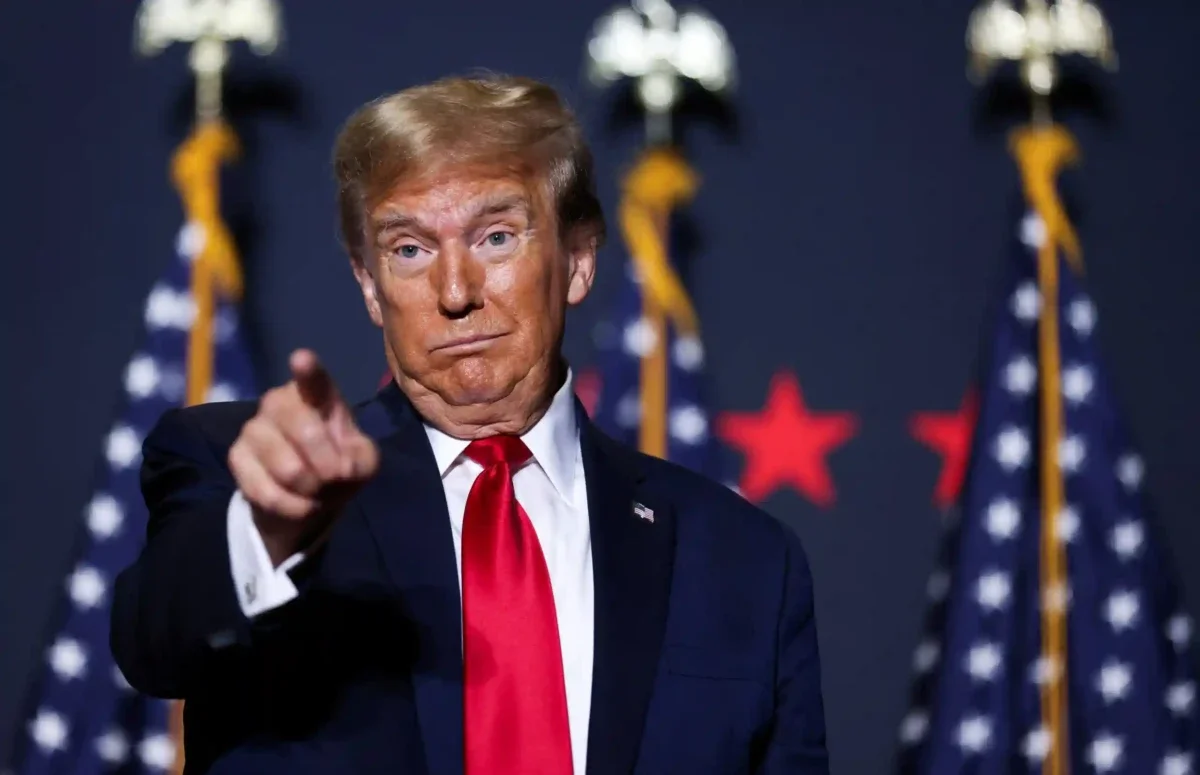
President Donald Trump implemented a comprehensive new tariff regime, marking a significant shift in U.S. trade policy. The tariffs, effective from 12:01 a.m. EDT, have elevated U.S. import taxes to their highest levels in decades, despite international objections and last-minute appeals. The so-called “reciprocal tariffs” broadly affect most foreign countries, even those with recent trade agreements like the European Union and Japan.
The new tariffs include a 15% levy on imports from the European Union, Japan, and South Korea; a 20% tariff on goods from Taiwan, Vietnam, and Bangladesh; and up to 39% on Swiss products. These measures have raised U.S. tariff rates to their highest levels since 1933, averaging 18.6%, potentially costing U.S. households an estimated $2,400 annually.

In a move to bolster domestic manufacturing, President Trump announced plans for the U.S. to implement a 100% tariff on imported semiconductors, with exemptions for companies manufacturing or committing to manufacture in the United States. This initiative aligns with Trump’s broader strategy to boost domestic production. Apple, for instance, would be exempt due to a new $100 billion investment in U.S. manufacturing. Trump warned of retroactive penalties if companies fail to honor domestic manufacturing pledges.
The tariffs have elicited varied international responses. Brazil and India have discussed retaliatory strategies following new 50% tariffs on their exports. Swiss and Japanese officials are protesting U.S. tariff inconsistencies, and South Africa and its neighbors are scrambling to renegotiate. China benefited from a temporary tariff pause, seeing July export gains despite collapsing U.S. trade figures. Meanwhile, South Korea struck a partial trade deal but continues to face uncertainty.
The tariffs are impacting various sectors: tech firms worry about chip tariffs, Ralph Lauren and e.l.f. have raised prices, Toyota’s profits fell, and retail and alcohol industries warned of job losses and higher consumer costs. Wall Street remained relatively steady, although jobless claims have risen slightly. The broader economic outcome of the tariffs remains uncertain as tensions grow and global trade adjusts.
In response to the escalating trade tensions, global leaders have strongly condemned the measures, signaling potential retaliatory actions. China’s Ministry of Commerce denounced the tariffs as “unilateral bullying” and vowed to implement “resolute countermeasures.” Canada’s Prime Minister Mark Carney declared that Ottawa would fight back “with purpose and force,” preparing a comprehensive set of retaliatory measures.
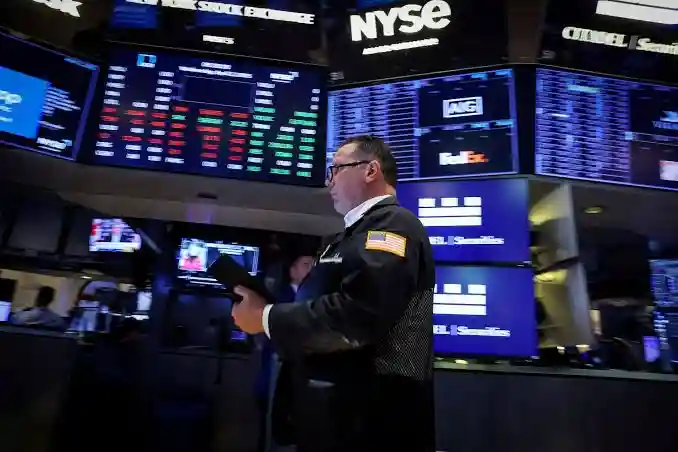
The escalating trade tensions have injected significant volatility into financial markets, with investors reassessing risk and growth prospects. The uncertainty surrounding the tariffs has led to fluctuations in asset prices, as markets attempt to price in the potential long-term consequences of fragmentation.
As the global community grapples with the implications of these new tariffs, the situation remains fluid, with ongoing negotiations and potential policy adjustments on the horizon.
You May Like

















I think Trumps tariffs are a bold move, but is the potential market volatility worth it? Lets discuss!
Do you think Trumps tariffs will ultimately benefit the economy or hurt it? Lets discuss! #TradeWars #MarketVolatility
I cant believe Trumps tariffs are causing such chaos. Will this really benefit the economy in the long run? #TradeWars🤔
Trumps tariffs are like a rollercoaster ride for the markets – thrilling or terrifying? Share your thoughts! 🎢📈 #TradeTensions #MarketVolatility
I cant believe Trumps tariffs are causing all this drama. Will this madness ever end? Its like a never-ending rollercoaster!
I think Trumps tariffs are like setting off fireworks in a crowded room – sure to cause chaos and fallout. What a mess!