

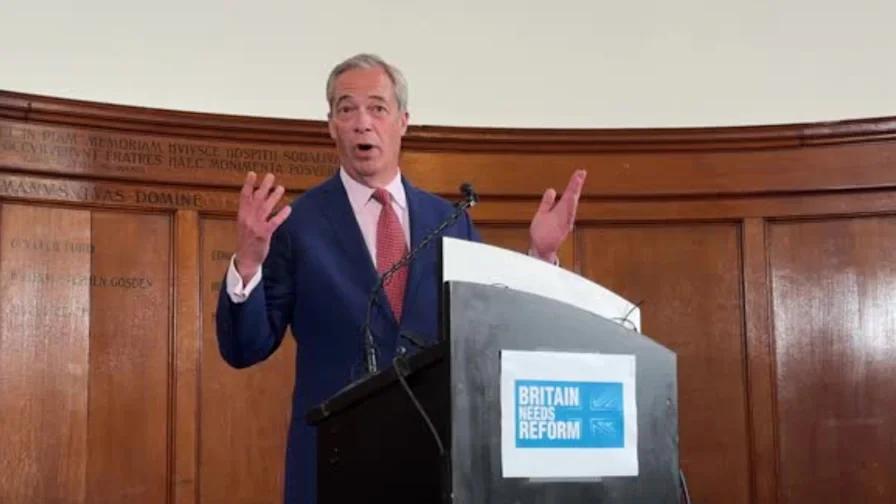
Nigel Farage’s Reform UK party found itself mired in controversy this morning as an immigration policy announcement descended into political theatre, overshadowed by internal disputes and a parliamentary standards investigation. Speaking at a press event intended to showcase the party’s latest proposals on border control, Farage instead reignited a public feud with Restore Britain leader Rupert Lowe, raising questions about whether the policy rollout was designed more to distract than to persuade.

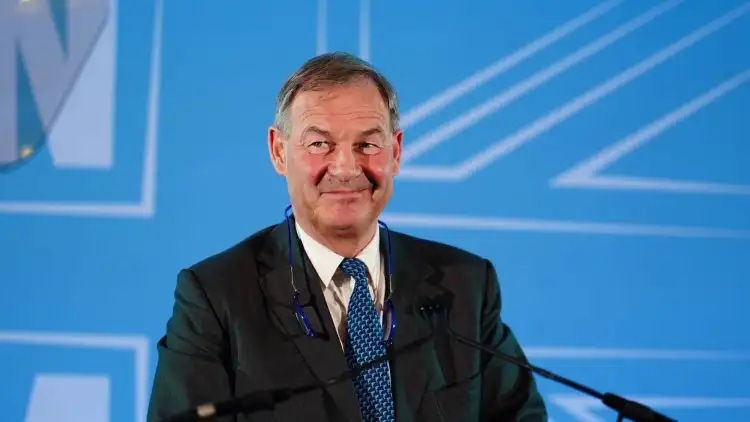
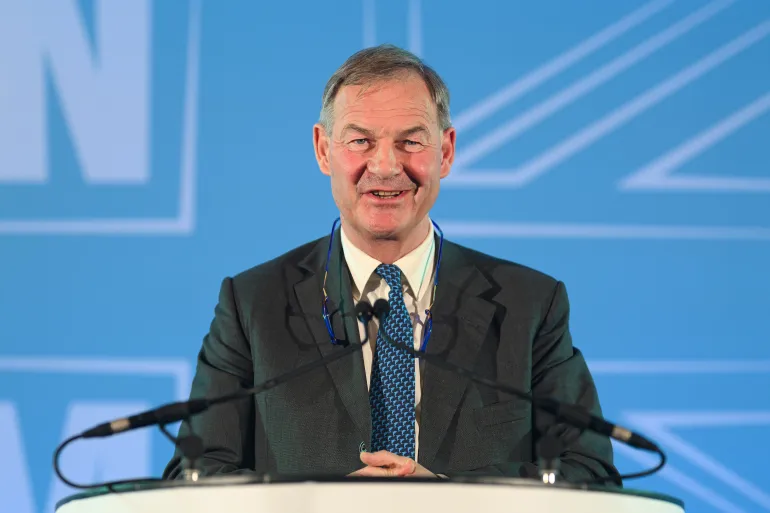
Compounding the party’s difficulties, Richard Tice, Reform UK’s deputy leader, is now under formal investigation by the parliamentary standards watchdog. The inquiry adds to mounting pressure on a party that has struggled to maintain discipline and coherent messaging since gaining a larger parliamentary presence. Political observers note that internal cohesion has become increasingly fragile as individual personalities clash and competing egos vie for prominence within the movement.
Reform UK’s immigration proposals themselves represent a familiar territory for the party, retreading ground that Farage has occupied throughout his political career. While specific details of the latest policy package were announced this morning, analysts suggest the timing appears carefully calculated to shift media attention away from the party’s organizational troubles. The strategy reflects a well worn playbook for populist movements facing internal crisis: return to core issues that energize the base while deflecting scrutiny from uncomfortable questions about leadership and governance.
The confrontation with Rupert Lowe represents a particularly awkward development for Reform UK, given that both parties ostensibly occupy similar political space on the right of British politics. Observers had previously speculated about potential cooperation or even merger discussions between the groups, making public acrimony between their leaders especially damaging. Farage’s inability to contain the dispute during what should have been a straightforward policy announcement suggests a loss of message discipline that political opponents will likely exploit.
Parliamentary standards investigations carry significant weight, and Tice’s current predicament places the party in an uncomfortable position as it attempts to present itself as an alternative to elished Westminster politics. Reform UK has built much of its identity on criticizing the conduct and ethics of mainstream parties, making allegations of standards violations within its own senior ranks particularly problematic. The investigation’s outcome could prove consequential not just for Tice personally but for the party’s credibility as it seeks to expand its electoral footprint ahead of future contests.

Looking ahead, Reform UK faces a critical test of whether it can mature from a protest movement into a sustainable political force capable of withstanding the pressures that come with parliamentary representation. Success will require more than recycled policy announcements and media controversy. As the standards investigation proceeds and internal tensions continue to surface publicly, voters will be watching to see whether the party can demonstrate the organizational coherence and ethical consistency it demands from others. For now, this morning’s chaotic rollout suggests those challenges remain unmet.














Leave a comment