
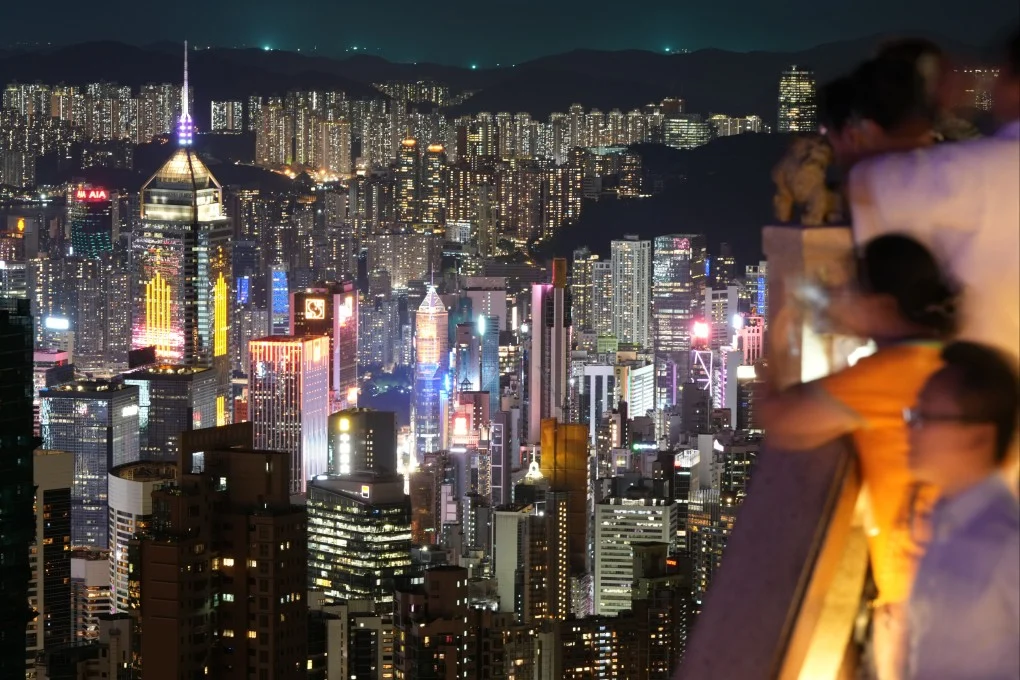
Hong Kong has clawed its way back from the abyss. After enduring some of the most stringent pandemic restrictions in the world, the Asian financial hub is showing unmistakable signs of revival, though the city that emerges looks markedly different from the one that went into isolation three years ago.
Visitors returning to the territory after years of absence encounter a transformed landscape. Restaurant tables that once sat empty now bustle with diners. Shopping districts have regained their characteristic energy. International flights have resumed their familiar patterns across Victoria Harbour. Yet beneath this surface recovery lies a more complex story about what Hong Kong has become and where it might be headed.
The economic indicators tell an encouraging tale of resilience. Tourist arrivals have climbed steadily since border restrictions were lifted, with mainland Chinese visitors leading the charge back to the territory. Property markets have ilized after their pandemic slump. Major corporations that contemplated relocating regional headquarters during the darkest days have largely stayed put, reassured by the city’s enduring strengths as a gateway to China and a center of international finance.
Social fabric, however, proves harder to mend than balance sheets. Communities that weathered years of isolation, political upheaval, and economic uncertainty now face questions about identity and values. Emigration during the pandemic years depleted certain professional sectors and reshaped the demographic landscape. Families were separated. Long elished expatriate communities diminished. These human costs resist easy quantification but shape the character of the city in profound ways.
What matters most in this period of renewal is whether Hong Kong can retain the qualities that made it exceptional. Diversity, once taken for granted, requires active cultivation. Tolerance toward different viewpoints and backgrounds must be nurtured rather than assumed. Compassion in an increasingly competitive environment deserves protection. Economic prosperity alone cannot substitute for these deeper values that distinguished Hong Kong from other major cities.

Moving forward, the territory stands at a crossroads between pure commercial ambition and broader civic aspirations. Growth and prosperity remain worthy goals, particularly after the economic devastation wrought by pandemic policies. Yet sustainable success depends on whether the city can balance its drive for material advancement with preservation of the open, cosmopolitan culture that attracted talent and capital for generations. How Hong Kong navigates this tension will determine not just its recovery, but its relevance in the decades ahead.









Leave a comment