
Nigeria’s vibrant music scene finds itself at the center of an uncomfortable debate as accusations of artificial intelligence use ripple through the Afrobeats community, pitting veteran artists against skeptical fans and industry observers. Recent releases from elished musicians have triggered intense speculation about whether generative AI tools played a role in their creation, exposing deep tensions about authenticity and artistic integrity in an industry built on organic creativity and cultural expression.

Generative artificial intelligence has rapidly evolved from a technological curiosity into a powerful force reshaping how music gets produced, distributed, and consumed worldwide. Nigerian artists, who have spent decades building the global Afrobeats brand through distinctive vocals, innovative production techniques, and authentic storytelling, now face questions about whether their latest work bears the fingerprints of machine learning algorithms rather than human artistry. Some listeners claim to detect telltale signs of AI assistance in vocal patterns, lyrical structures, and production choices that seem subtly different from the organic sound that made these artists famous.
Veterans in the Nigerian music industry have responded to these accusations with varying degrees of defensiveness and dismissal. Several prominent figures have taken to social media to vigorously deny using AI tools in their creative process, emphasizing their commitment to traditional musicianship and authentic expression. Others have remained conuously silent, allowing speculation to flourish in the absence of clear denials or explanations. A handful of younger producers have openly acknowledged experimenting with AI assisted tools, arguing that technology has always played a role in musical evolution and that rejecting these innovations amounts to resisting progress.
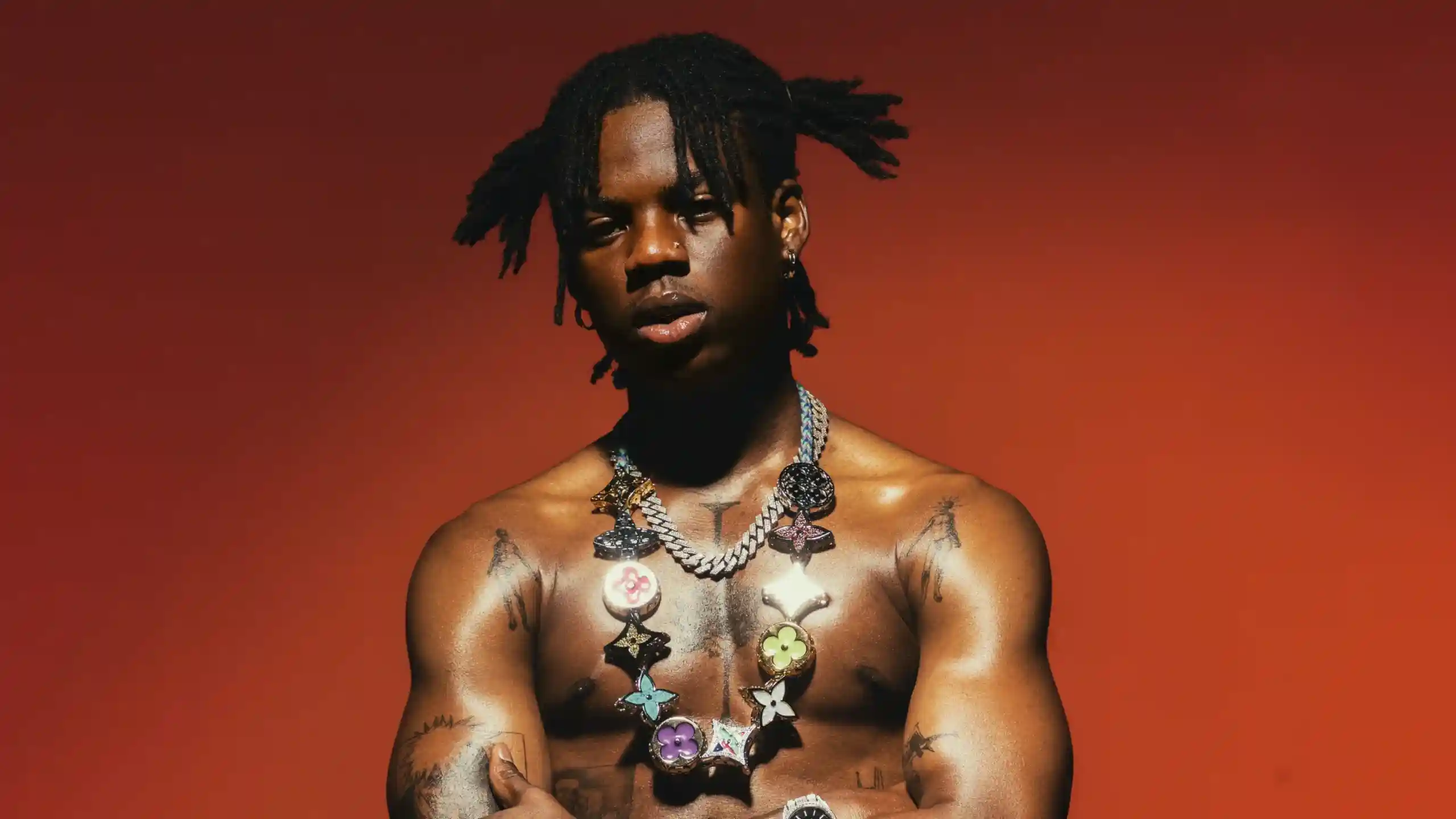
Industry analysts suggest the controversy reflects broader anxieties about how rapidly advancing technology threatens to disrupt elished creative hierarchies and economic models. Afrobeats has become a multibillion dollar global phenomenon over the past decade, creating wealth and international recognition for Nigerian artists who broke through using distinctly human talents and cultural authenticity. If AI tools can replicate or simulate the signature sounds that made these artists successful, fundamental questions arise about value, originality, and what fans are actually paying for when they stream music or attend concerts.
Fan communities remain sharply divided over how seriously to take these accusations and whether AI assistance should even be considered problematic. Purists argue that any reliance on generative technology undermines the artistic credibility that Afrobeats depends upon, particularly as the genre competes for global attention against other musical traditions. Pragmatists counter that artists have always used available technology to enhance their work, from auto tune to digital audio workstations, and that AI represents merely another tool in an expanding creative toolkit. Some younger fans appear largely indifferent to the controversy, focusing instead on whether the music itself sounds good regardless of how it was made.

Moving forward, the Nigerian music industry faces difficult conversations about transparency, disclosure standards, and how to maintain artistic credibility while embracing technological innovation. International music markets are beginning to develop frameworks for labeling AI assisted content, and similar pressures may soon reach Nigeria’s entertainment sector. Whether veteran artists can successfully navigate these tensions while preserving their reputations and commercial success remains an open question, one that will likely shape the future trajectory of Afrobeats as both an artistic movement and a global cultural export. How Nigeria’s music community resolves this dispute may well set precedents for other emerging markets grappling with the same technological disruption.














Leave a comment