

United Nations High Commissioner for Human Rights Volker Turk delivered a stark warning from Beirut on Monday, announcing that his office has documented extensive violations of international humanitarian law in Lebanon that may constitute war crimes. Speaking at a press conference in the Lebanese capital, Turk painted a grim picture of civilian suffering and potential criminal conduct that could carry significant legal implications under international law.
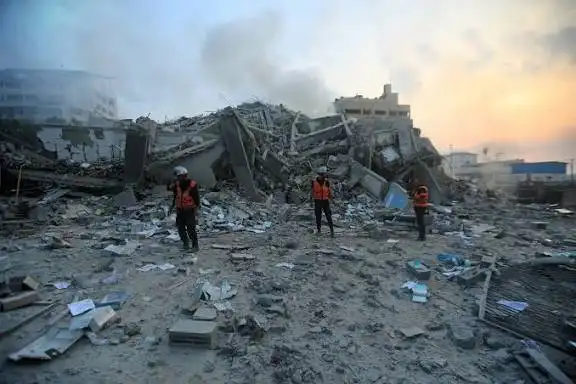
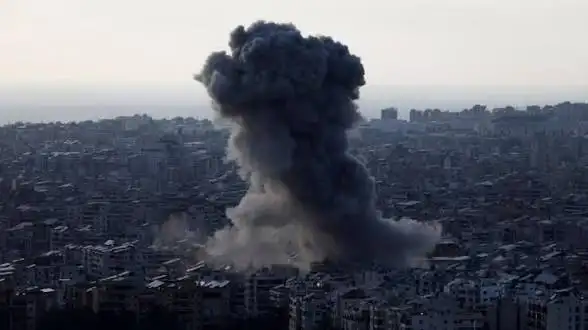
According to Turk, more than 4,300 people have been ed and 12,200 injured in Lebanon since early March, when Israel launched a new military offensive following retaliatory actions by Hezbollah connected to broader regional tensions with Iran. Among the dead are at least 135 healthcare workers and numerous journalists and media professionals, raising particular concerns about the targeting of protected persons under international humanitarian law. The scale of casualties and the nature of those ed have prompted UN human rights officials to examine whether systematic violations are occurring.
Turk emphasized that certain documented violations may not only amount to war crimes but could also constitute crimes under international law depending on the specific circumstances. Such distinctions carry weight in potential future prosecutions, as war crimes typically involve violations of the laws of war, while crimes against humanity involve widespread or systematic s against civilian populations. The careful legal language used by the UN rights chief suggests his office is building a comprehensive documentation effort that could support future accountability mechanisms.
Despite an announced cessation of hostilities in April and multiple rounds of negotiations aimed at reducing tensions, Israeli military operations have continued unabated. Airstrikes and ground operations persist across Lebanese territory, ing and injuring civilians even as diplomatic efforts proceed. The gap between stated commitments to de-escalation and the reality on the ground has frustrated international mediators and raised questions about the effectiveness of current diplomatic frameworks.
Turk met with Lebanese President Joseph Aoun during his visit to Beirut, where he presumably discussed the human rights situation and potential avenues for protecting civilians. Lebanon, already facing severe economic and political challenges, has seen its fragile state institutions further strained by the renewed military operations. Healthcare systems are struggling to cope with the influx of casualties, while displacement of civilian populations continues to grow.
Whether these documented violations will lead to formal investigations by international tribunals or the International Criminal Court remains uncertain, but Turk’s public statement signals that the UN human rights apparatus is treating the situation with utmost seriousness. As military operations continue and the death toll mounts, pressure is likely to build on the international community to move beyond documentation toward concrete accountability measures. How regional powers and international institutions respond in the coming weeks may determine whether the cycle of violence can be broken or whether Lebanon faces a protracted period of inility with profound humanitarian consequences.











Leave a comment