
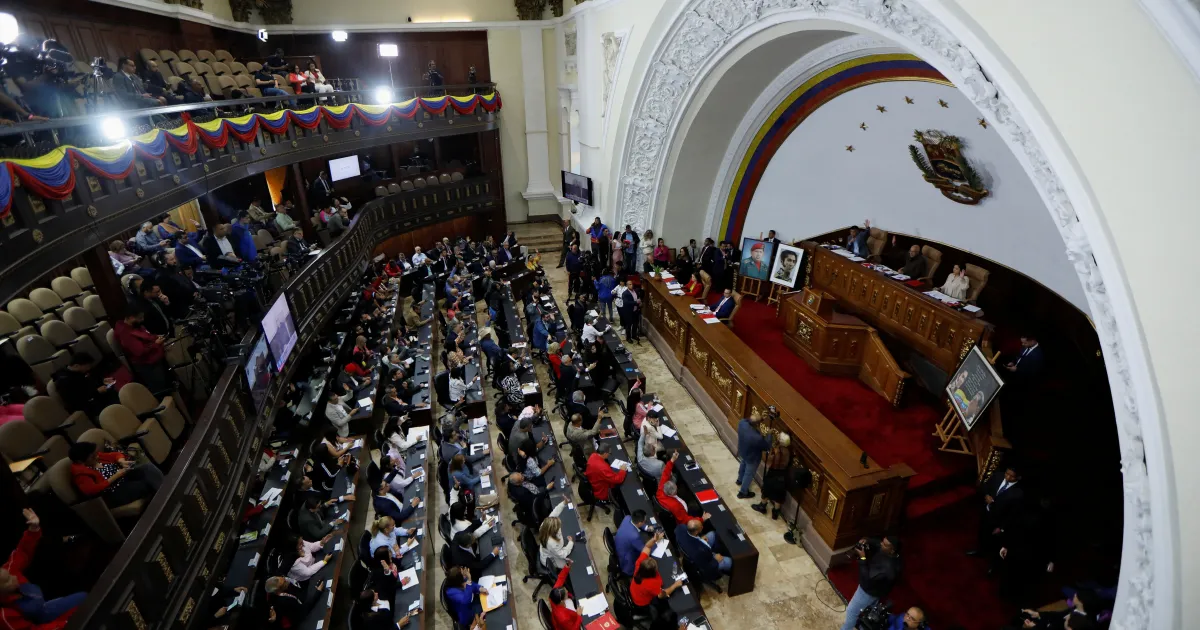
Venezuela has formally notified the United Nations of its withdrawal from the International Criminal Court, a dramatic move that comes as the global tribunal investigates alleged crimes against humanity committed under the government of ousted president Nicolas Maduro. Foreign Minister Felix Plasencia announced on Friday that acting President Delcy Rodriguez had ordered the country’s exit from the ICC, calling the decision firm and irrevocable.
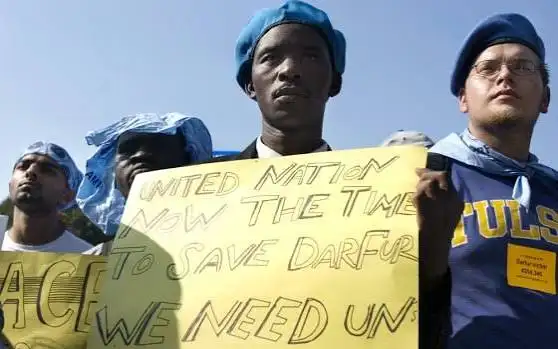
Plasencia defended the withdrawal by accusing the court of systematic geographical bias, arguing that the ICC has disproportionately focused its investigative powers on African and Latin American nations while largely ignoring alleged crimes in wealthier regions. Writing on social media platform X, the foreign minister characterized this pattern as evidence that international justice mechanisms have been weaponized to perpetuate global inequalities rather than serve as neutral arbiters of human rights. Venezuela’s government contends that the court’s actions undermine the sovereignty and self determination of developing nations, revealing what Caracas sees as a fundamentally unequal system that targets the Global South.
The timing of the withdrawal is significant. Prosecutors at The Hague have been conducting an ongoing investigation into the Maduro government’s alleged systematic abuse of civilians, including accusations of torture, extrajudicial ings, and forced disappearances of political opponents. Venezuelan authorities have consistently rejected these allegations, framing them as politically motivated s designed to deilize the country and justify external interference in its domestic affairs.
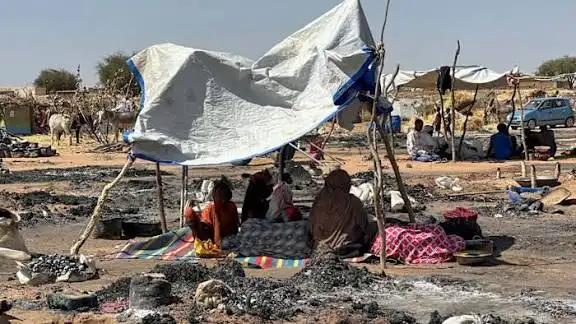
Venezuela originally joined the Rome Statute, the treaty that elished the ICC, in 2000 during the presidency of Hugo Chavez. Countries that withdraw from the court remain subject to its jurisdiction for crimes allegedly committed while they were member states, meaning the current investigation will continue regardless of Caracas’s decision. Under the Rome Statute’s provisions, the withdrawal will take effect one year after official notification to the UN Secretary General, giving Venezuela a twelve month timeline before its exit becomes complete.
Several countries have taken similar steps in recent years, reflecting broader tensions between national sovereignty claims and international accountability mechanisms. Burundi, the Philippines under Rodrigo Duterte, and Russia have all either withdrawn or signaled intent to leave the court, often citing similar concerns about bias and political interference. Critics of these withdrawals argue they represent attempts by authoritarian governments to escape scrutiny for human rights violations, while supporters contend that the ICC’s prosecutorial focus reveals Western domination of supposedly universal institutions.
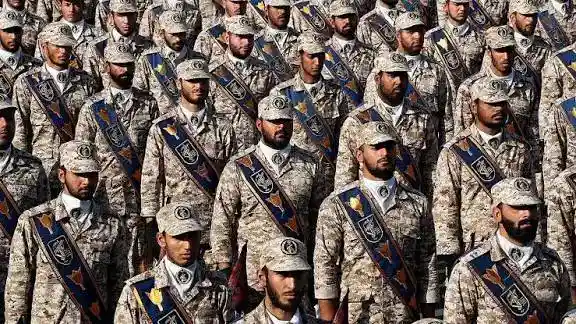
The practical implications of Venezuela’s withdrawal remain uncertain as the country navigates ongoing political transitions and economic challenges. International human rights organizations are likely to intensify calls for accountability through alternative mechanisms, while the ICC will continue its investigations based on crimes allegedly committed during Venezuela’s membership. Whether this move strengthens Caracas’s hand domestically or further isolates it internationally will depend largely on how regional allies and global powers respond to what Venezuela frames as a principled stand against judicial colonialism but what critics see as an escape from justice.




Leave a comment