

A prominent policy analyst has called for serious accountability measures against senior Nigerian military commanders, arguing that expanding troop numbers alone will not resolve the country’s deepening security crisis without first addressing leadership failures and endemic corruption within the armed forces. Sam Amadi, Director of the Abuja School of Social and Political Thought, made the assertion during a television interview on Friday, sparking fresh debate about the effectiveness of current approaches to combating insecurity across Nigeria.

Amadi, who previously served as Chairman of the Nigerian Electricity Regulatory Commission, delivered his sharp critique in response to President Bola Tinubu’s recent approval for expanding the Nigerian Army. According to the policy expert, fundamental problems with security strategy and military morale remain unaddressed. “Some of our generals and leaders must be held accountable,” Amadi declared, pointing to what he described as a crisis of corruption that undermines operational efficiency and national commitment at the highest levels of military command.
Corruption within the security sector has long been identified as a significant obstacle to effective counterinsurgency and peacekeeping operations. Amadi emphasized that when leadership becomes compromised by corrupt practices, the negative effects cascade throughout the entire institution and beyond. “When the leadership is corrupt, it affects the entire nation,” he explained, noting that corruption in the public sector weakens not only operational efficiency but also erodes the foundational trust between citizens and their institutions. Such systemic failures, he argued, severely limit the country’s capacity to confront the multifaceted security challenges now threatening communities across multiple regions.
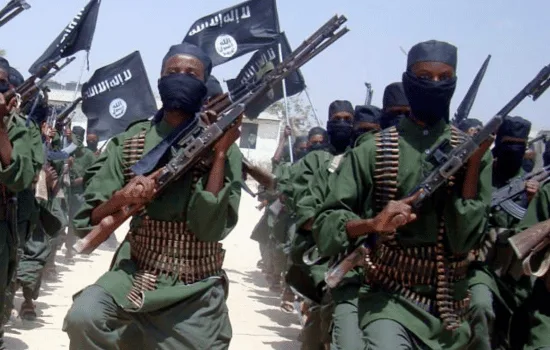
Beyond questions of corruption, Amadi raised concerns about the current deployment patterns of Nigerian military forces. Troops are increasingly being used for functions far beyond traditional combat roles, including peacekeeping operations, highway patrols, and even managing impassable roads plagued by criminal activity. “Our roads are now impassable. There are criminals everywhere,” he observed, highlighting how the security situation has deteriorated to the point where military presence is required for basic civilian infrastructure protection. Such deployments, while perhaps necessary in the short term, raise questions about whether the military is being stretched too thin and whether expansion addresses the root causes of insecurity.
Nigeria has faced mounting security challenges in recent years, from Boko Haram insurgency in the northeast to banditry in the northwest, kidnapping rings operating across the middle belt, and separatist agitation in the southeast. Communities have endured devastating s, mass abductions, and economic disruption as criminal networks exploit governance gaps and porous borders. Against this backdrop, successive administrations have prioritized military solutions, including equipment purchases, recruitment drives, and operational restructuring. Yet security analysts consistently point to deeper institutional weaknesses that hardware and headcount cannot remedy alone.
Moving forward, the debate over military accountability and reform is likely to intensify as citizens demand tangible improvements in their safety and security. Whether President Tinubu’s administration will pursue investigations into military leadership or implement broader institutional reforms remains uncertain. What appears clear is that public patience with conventional approaches is wearing thin. Without addressing questions of leadership integrity, strategic coherence, and institutional capacity, even a significantly expanded military force may struggle to deliver the security dividends that Nigerians desperately need and increasingly demand from their government.









Leave a comment