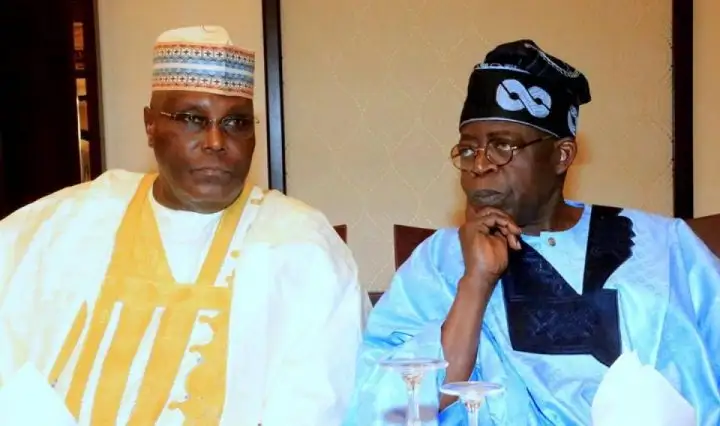
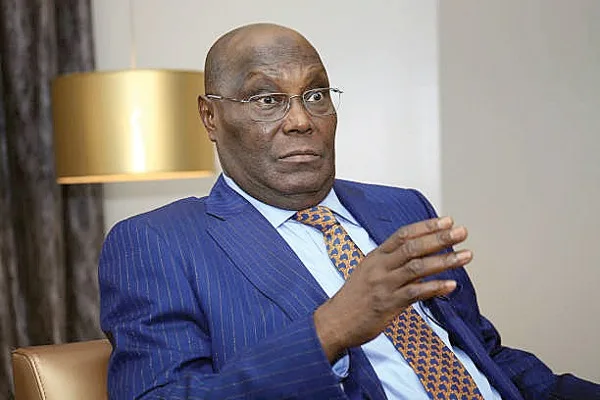
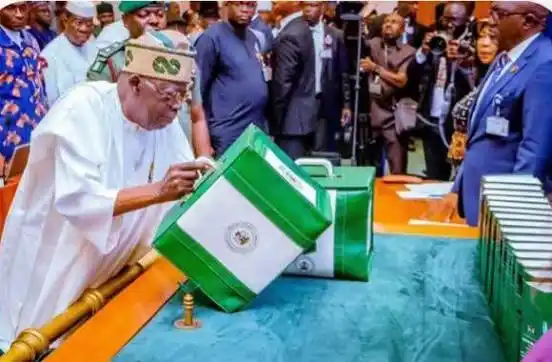
Former Vice President Atiku Abubakar has demanded a comprehensive investigation into the 2026 Appropriation Act, citing reports of more than N210 billion in allegedly duplicated and overlapping budget allocations under President Bola Tinubu’s administration. Speaking through his Senior Special Assistant on Public Communication, Phrank Shaibu, the African Democratic Congress presidential candidate for the 2027 elections described the alleged irregularities as further evidence of poor fiscal management by the Federal Government. The call comes at a particularly sensitive time for millions of Nigerians struggling with rising inflation, stubborn unemployment, and deteriorating economic conditions despite promised reforms.
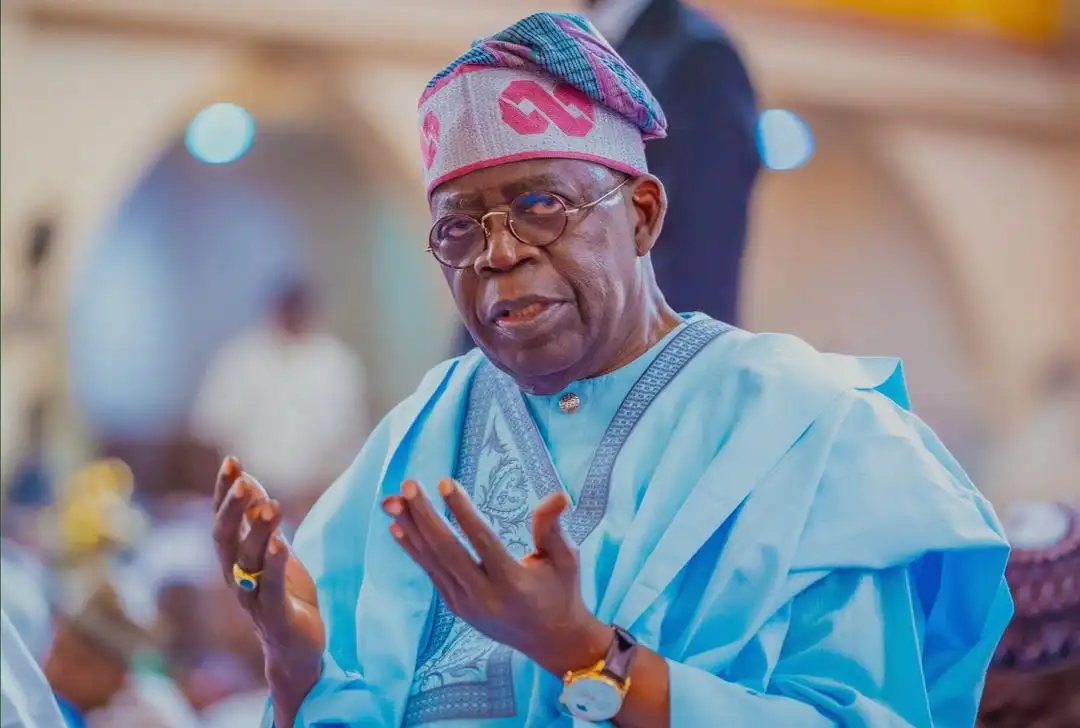
Atiku argued that the latest budget controversy does not exist in isolation but represents part of what he characterized as a disturbing pattern of questionable budget practices that have repeatedly undermined confidence in Nigeria’s public finance system. According to the statement, recent months have seen budgetary allocations for projects that fall outside the statutory mandates of agencies, controversial insertions worth billions of naira, and expenditures that appear disconnected from the urgent needs of ordinary citizens. Rather than embracing transparency when questions arise, Atiku claimed, government officials have frequently resorted to denial before grudgingly acknowledging problems only when confronted with irrefutable evidence.
At the heart of Atiku’s criticism lies what he termed the fuel subsidy deception, which he said illustrates the bankruptcy of the administration’s economic reforms. Nigerians were told in 2023 that fuel subsis had been completely removed and were subsequently forced to endure unprecedented hardship including skyrocketing fuel prices, crushing transportation costs, runaway inflation, and a collapsing standard of living, all justified in the name of necessary economic reform. Yet NNPC Limited’s own audited 2024 financial statements have now revealed that a staggering N7.13 trillion was expended on what the company categorizes as Energy Security Expenses, a line item the corporation itself identifies as petrol subsidy or under recovery. This revelation, Atiku insisted, means Nigerians were never told the complete truth about subsidy removal.
Beyond the budget figures and subsidy questions, the former Vice President emphasized that Nigeria’s worsening economic realities stand in stark contrast to official claims of progress and reform success. Families across the country are finding it increasingly difficult to afford basic meals, businesses continue to collapse under mounting economic pressure, and thousands of university graduates remain jobless despite repeated government assurances that reforms are beginning to yield positive results. The disconnect between official pronouncements and lived experience has fueled public frustration and eroded trust in economic policymaking.
Atiku’s statement reflects growing opposition scrutiny of the Tinubu administration’s economic management as the country approaches another election cycle. With inflation remaining stubbornly high and the naira continuing to face pressure, questions about budget transparency and accountability have moved to the center of political discourse. Opposition figures have seized on discrepancies between government spending claims and actual outcomes to build their case against the incumbent administration, setting the stage for what promises to be a contentious campaign focused heavily on economic performance.
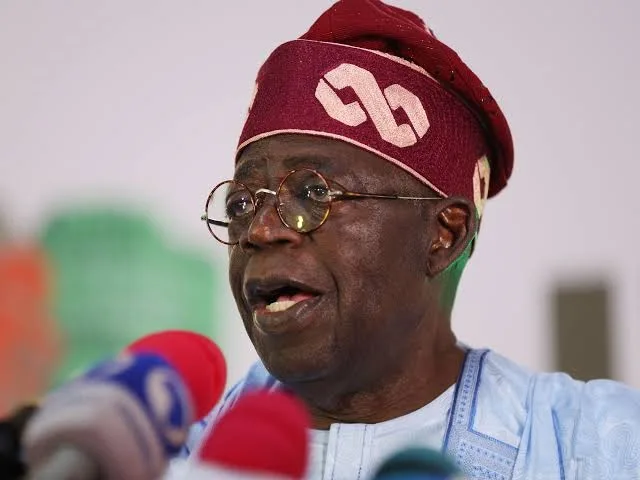
As Nigeria moves deeper into 2026, the outcome of any potential investigation into budget duplications could have significant political ramifications. Whether authorities will pursue a formal probe remains uncertain, but the allegations have already amplified public demands for greater transparency in how government resources are allocated and spent. For millions of Nigerians watching their purchasing power erode and opportunities diminish, the debate over budget integrity represents more than political theater. It speaks directly to fundamental questions about governance, accountability, and whether economic reforms are genuinely designed to benefit the broader population or serve narrower interests.





Leave a comment