

When Britain left the European Union, it gained soing most developing nations would envy: the ability to rewrite its agricultural rulebook from scratch. Agricultural commitments under the World Trade Organization define how much governments can spend on farm subsis, how high they can raise import tariffs, and when they can protect domestic producers from foreign competition. For countries locked into tight commitments negotiated decades ago, these constraints leave little room for policy maneuver.
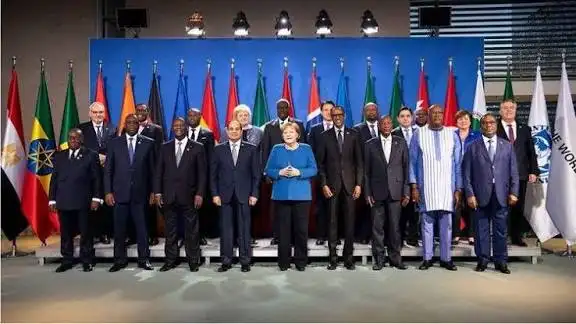
Brexit has fundamentally altered this calculus for the United Kingdom. Unlike developing countries in the Global South that must operate within the strict confines of agreements signed during the Uruguay Round, Britain now enjoys remarkable policy space to reshape its agricultural sector. Countries across Africa, Asia, and Latin America remain bound by commitments that were often negotiated when their economies looked vastly different, when food security concerns were subordinated to market access demands, and when climate ce was barely on the international agenda.
The contrast is striking and instructive. Developing nations frequently find themselves unable to adequately support smallholder farmers, invest in climate resilient agriculture, or respond quickly to food price spikes because their WTO commitments cap subsis at levels far below what wealthy nations can deploy. Meanwhile, post Brexit Britain can theoretically design farm support programs tailored to contemporary challenges like sustainable farming practices, rural development, and environmental conservation without the constraints that hamper poorer countries.
Agricultural policy space matters profoundly for food security and rural livelihoods. Countries need flexibility to respond to volatile global markets, extreme weather events, and cing tary patterns. Yet the Global South often lacks this flexibility precisely when it needs it most. Nations struggling with poverty, malnutrition, and agricultural transformation find their hands tied by international commitments that were never designed with their developmental needs in mind.
Trade negotiators and development economists have long argued that the global trading system treats developing countries unfairly when it comes to agricultural policy. Rich nations historically protected their farmers through decades of generous subsis and tariff barriers while climbing the development ladder. Now those same countries demand that poorer nations embrace market liberalization and subsidy discipline even as they struggle with basic food security. Britain’s newfound freedom highlights this asymmetry in sharp relief.
Looking ahead, the lesson for developing countries is clear but difficult to act upon. Renegotiating WTO commitments requires political capital, coordinated advocacy, and often decades of diplomatic effort. Yet as climate ce intensifies, as supply chains grow more fragile, and as the need for resilient food systems becomes undeniable, the case for greater agricultural policy flexibility grows stronger. Whether the international community will grant developing nations the same freedom that Britain claimed through Brexit remains an open and urgent question for global food security.









Leave a comment