
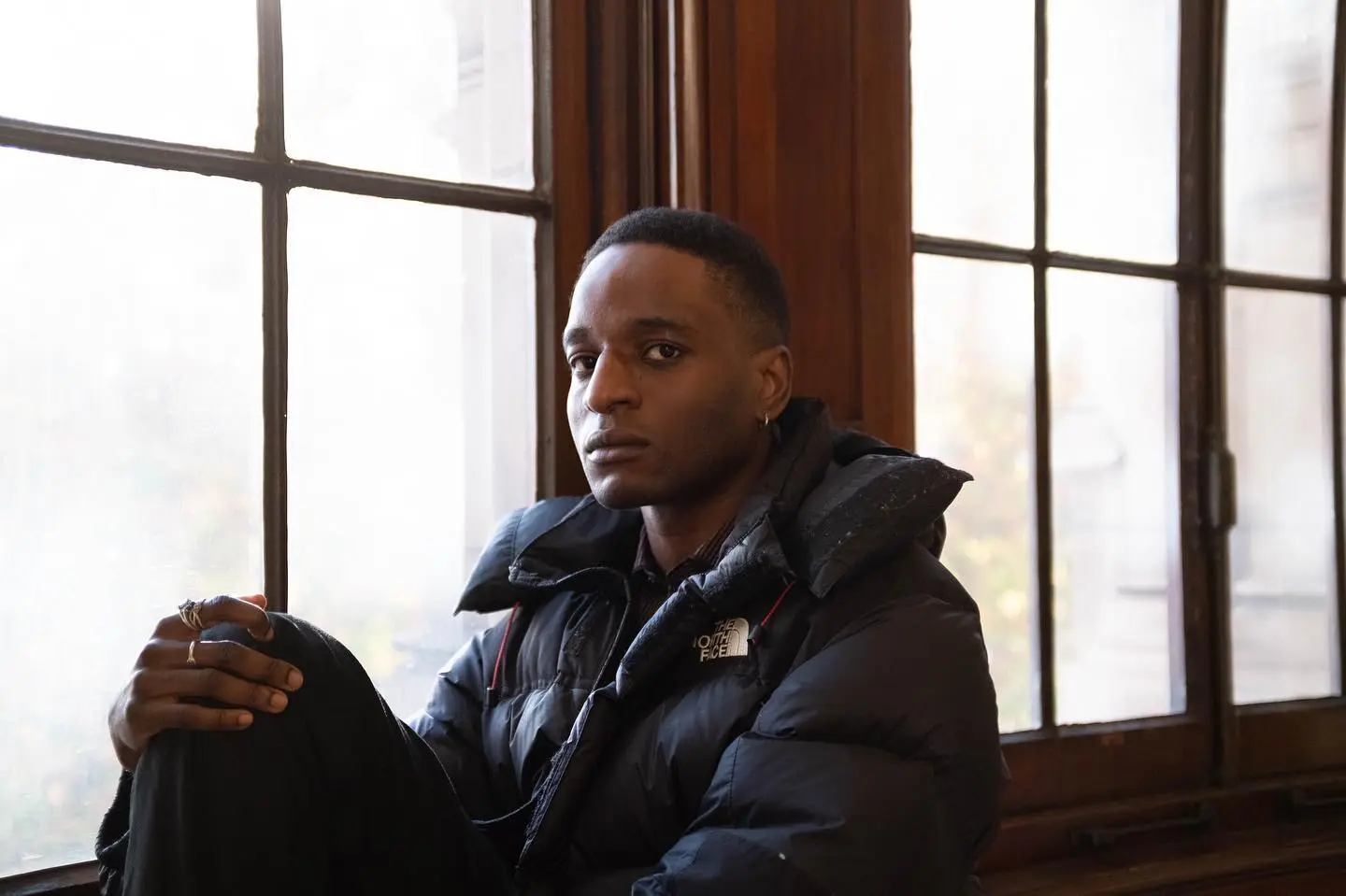
“Governor Soludo’s Son Joins Viral Dance Trend Mocking Nigerian Leaders Including His Father”,
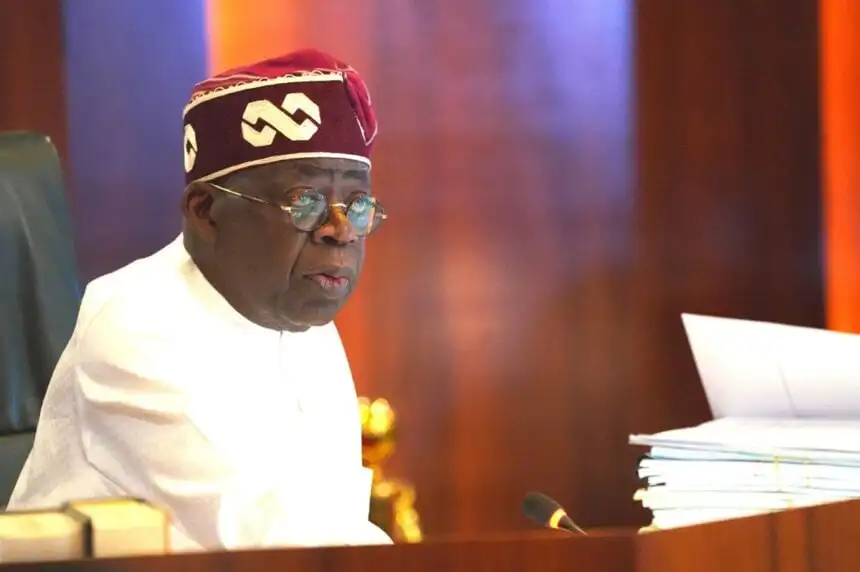
“Ozonna Soludo, son of Anambra State Governor, sparks online debate after posting video dancing to protest song that criticizes his father and other Nigerian political figures.”,
“content”:
Ozonna Soludo has ignited a firestorm of online commentary after posting a video of himself dancing to a viral protest song that takes aim at several prominent Nigerian politicians, including his own father, Anambra State Governor Chukwuma Soludo.
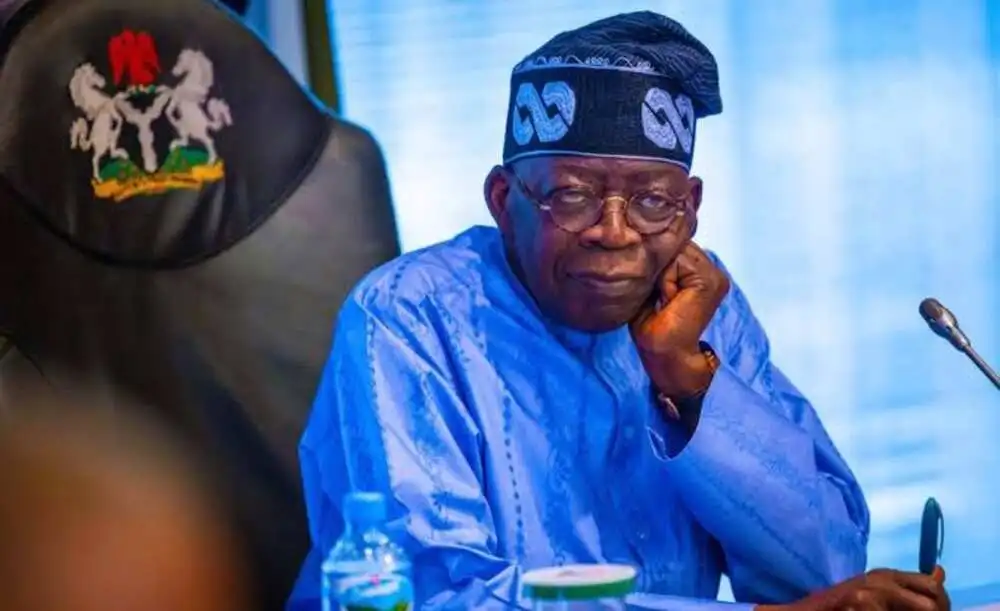
The unexpected participation of a governor’s son in a social media trend openly critical of political leadership has raised eyebrows across Nigeria’s digital landscape, prompting questions about family dynamics, political loyalty, and the evolving relationship between young Nigerians and traditional authority figures.
The video, shared on Ozonna’s social media accounts, shows him singing and moving energetically to a song whose opening lyrics leave little room for ambiguity.
The track begins with a pointed rebuke of President Bola Tinubu, declaring that shame belongs to him and that all power rests with Jesus.
From there, the musical critique expands to include Vice President Kashim Shettima, Senate President Godswill Akpabio, FCT Minister Nyesom Wike, and Imo State Governor Hope Uzodinma, among others. Political heavyweights such as Enugu State Governor Peter Mbah, Works Minister David Umahi, former presidential aide Reno Omokri, and former Senator Dino Melaye also receive mentions in the unconventional protest anthem.
When the song’s lyrics specifically called out his father with the phrase “Soludo shame unto you,” Ozonna’s reaction became the focal point of viewer attention. He briefly rolled his eyes before continuing to dance and sing along without breaking stride.
Accompanying the video was a caption in Igbo language affirming the song’s central message that all power belongs to Jesus. Within hours, the post had accumulated more than 3,000 comments from users expressing surprise, amusement, and criticism that the governor’s son would publicly participate in content targeting his father’s administration.
Ozonna Soludo is no stranger to controversy or the spotlight that comes with being the child of a high profile political figure. As a musician, content creator, and social media influencer, he has cultivated an online presence characterized by dance videos, lifestyle content, and fashion choices that frequently challenge conventional expectations.
His unconventional approach to public life has generated mixed reactions from Nigerians who hold varying views about appropriate conduct for the relatives of public officials. In recent months, he drew significant attention after debuting a braided hairstyle despite facing criticism from conservative commentators who felt it contradicted traditional norms.
Additional controversy surrounded Ozonna when he posted content featuring what appeared to be traditional spiritual items during a period when the Anambra State Government, led by his father, was actively campaigning against certain native spiritual practices. Earlier this year, he also made headlines by calling on President Tinubu to guide Nigeria toward a new era founded on principles of unity, dignity, and equal opportunity.
Each incident has contributed to his reputation as someone unafraid to chart his own course, even when that path diverges from what might be expected given his family background.</p><p>The incident raises broader questions about generational divides in Nigerian politics and the ways in which young people are using social media to express dissatisfaction with governance.
While some observers view Ozonna’s participation in the viral trend as a harmless engagement with youth culture, others interpret it as a subtle form of political commentary that reflects widespread frustration among younger Nigerians. Whether his actions represent genuine critique, youthful irreverence, or simply an attempt to remain relevant in Nigeria’s fast moving social media landscape remains a matter of interpretation.
What seems certain is that as Nigeria approaches future electoral cycles, the unconventional voices of politically connected young people like Ozonna Soludo will continue to challenge traditional assumptions about loyalty, propriety, and the boundaries of acceptable political discourse.








Leave a comment