

South African corporations with extensive operations across the continent are confronting an unprecedented crisis as anti immigrant protests at home ignite diplomatic fury and threaten their most profitable markets. Mobile operator MTN Group, which earns 80% of its revenue outside South Africa, has dispatched senior executives to Ghana while scrambling to support repatriated Nigerians. Standard Bank Group, Africa’s largest lender, is monitoring developments closely as its regional footprint comes under scrutiny. Gold Fields, operating the vital Tarkwa mine in Ghana, now faces heightened political risk in a jurisdiction already pushing for greater local participation in mining.

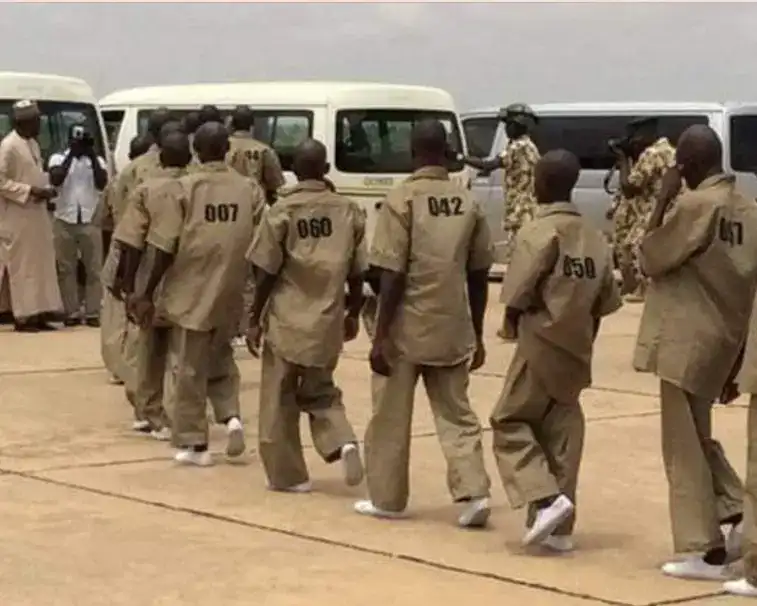
More than 2,700 people from Ghana, Nigeria, Mozambique and Malawi have been assisted in returning home from South Africa amid escalating fears that demonstrations could turn more violent. s on foreign nationals have already occurred, with reports of looting targeting immigrant owned homes and businesses. Over the past month alone, authorities arrested 7,400 undocumented migrants for immigration violations, bringing the total detained this year to more than 40,000 according to the Department of Home Affairs. These figures underscore the scale of tensions now reverberating across diplomatic channels and corporate boardrooms alike.
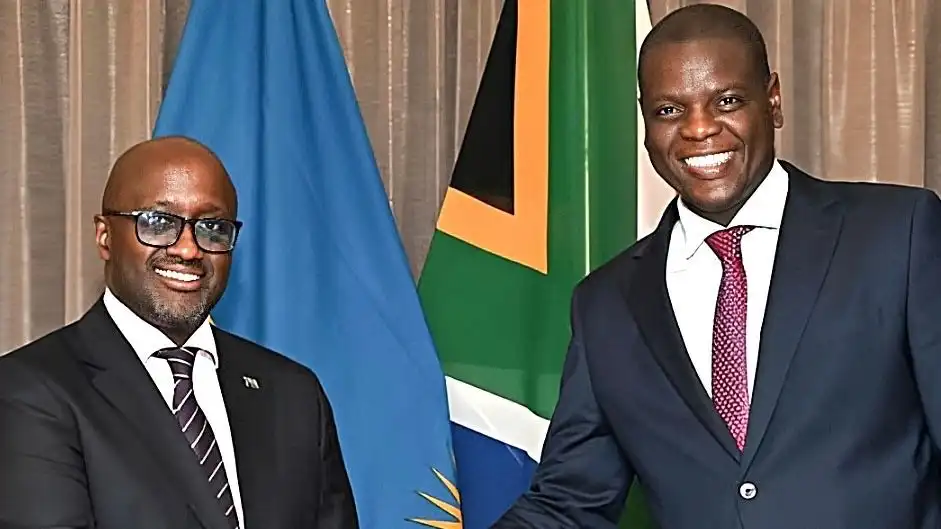
Ghana’s Foreign Minister Samuel Okudzeto Ablakwa has called on the African Union to formally debate South Africa’s treatment of African migrants, elevating what began as domestic unrest into a continental issue. In Nigeria, Foreign Affairs Minister Bianca Odumegwu Ojukwu signaled that the government is actively considering retaliatory measures against South African interests following the repatriation of Nigerian citizens. Ghanaian activists are pressing their government to adopt a harder stance against South African companies, particularly those in extractive industries. The diplomatic fallout exposes the vulnerability of firms whose growth strategies depend fundamentally on markets beyond their home base.

MTN’s predicament illustrates the acute risks facing South African multinationals. Nigeria represents the company’s single largest market, dwarfing its domestic operations in both scale and profitability. Ebenezer Asante, the company’s senior vice president for markets, has been deployed to meet with Ghana’s foreign affairs and trade ministers in damage control mode. In Nigeria, MTN is working alongside government authorities to support 1,350 citizens who returned on a charter flight, providing SIM cards, data packages and cash grants. CEO Ralph Mupita acknowledged the sensitivity of the situation while emphasizing the company’s transformation into what he described as a genuinely pan African organization rather than simply a South African firm operating abroad.
Standard Bank’s exposure spans more than a dozen African countries, making the lender particularly sensitive to any coordinated action against South African interests. Gold Fields’ Tarkwa operation in Ghana ranks among the company’s most strategically important assets, yet it operates in an environment where resource nationalism was already gaining momentum before the current crisis. Local content requirements and pressure for domestic ownership stakes were reshaping Ghana’s mining sector even before diplomatic relations soured. Now those commercial headwinds carry added political weight as governments weigh how to respond to events in South Africa.

What unfolds in coming weeks will test whether economic interdependence and corporate diplomacy can contain the fallout from domestic political tensions. African Union discussions could formalize grievances into coordinated responses, or provide a platform for de escalation. Corporate leaders face the delicate task of affirming their pan African credentials while managing operations headquartered in a country whose government faces mounting criticism. For South African firms that have successfully expanded across the continent, the protests reveal how quickly commercial success built over decades can become hostage to political developments at home. Whether measured in market access, regulatory treatment or simple operating conditions, the cost of domestic discord is now being calculated in boardrooms from Johannesburg to Lagos.













Leave a comment