

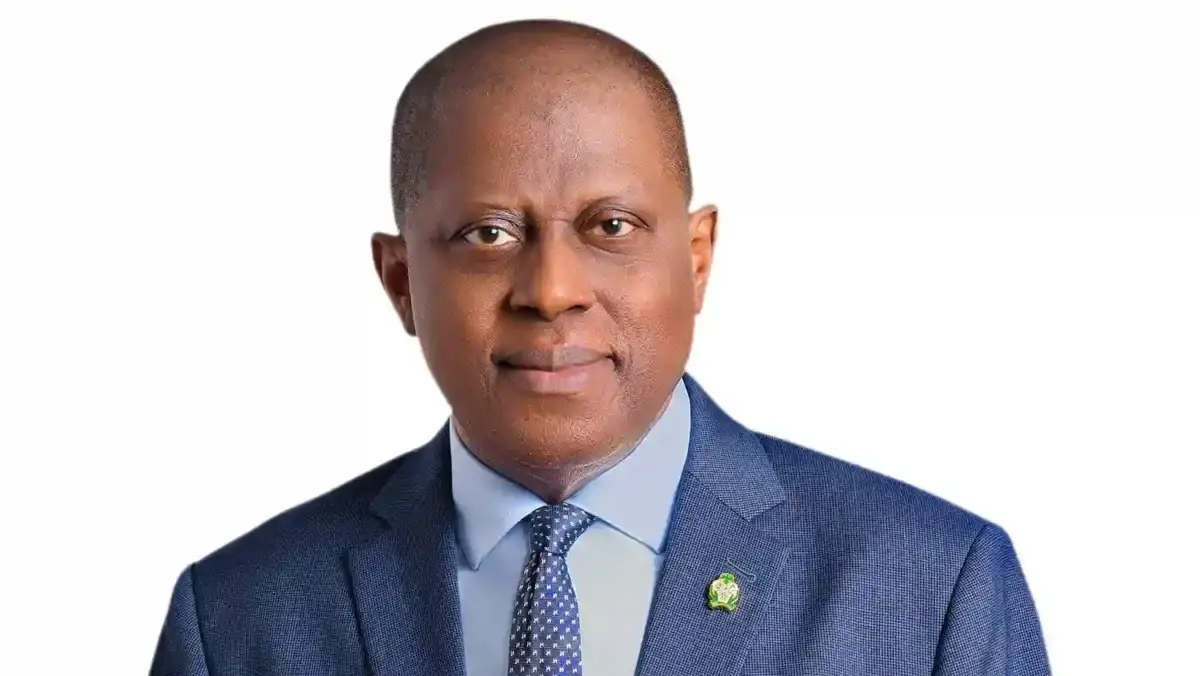
The Governor of the Central Bank of Nigeria (CBN), Olayemi Cardoso, has praised the economic reforms implemented by President Bola Ahmed Tinubu’s administration over the past 18 months, acknowledging their challenges but emphasizing their positive impact. Speaking at the close of the 2025 IMF/World Bank Spring Meetings in Washington, D.C., Cardoso underscored that Nigeria’s delegation showcased these reforms to global investors, positioning the country as a resilient and attractive investment destination. “Thanks to the steps taken over the past 18 months, we have strengthened our monetary buffers and positioned Nigeria to better withstand external shocks,” he said, adding, “To all Nigerians: these reforms are not easy, but they are delivering results. We have moved from a position of vulnerability towards one of growing strength, and our economic trajectory is beginning to turn positive.”
Key reforms under Tinubu’s administration, initiated in 2023, include the removal of fuel subsis, liberalization of the foreign exce (FX) market, and the clearance of a $7 billion FX backlog, which have collectively reduced fiscal deficits and boosted external reserves to $40.4 billion by April 2025, up from $33 billion in 2023. Cardoso’s CBN has complemented these efforts with measures like the introduction of the Electronic Foreign Exce Matching System (EFEMS), an FX code to enhance market transparency, and a bank recapitalization program to strengthen the financial sector. These reforms have unified official and parallel market exce rates, curbed speculative arbitrage, and restored investor confidence, with foreign exce turnover rising sharply and remittances increasing by 8.9% to $20.93 billion in 2024.
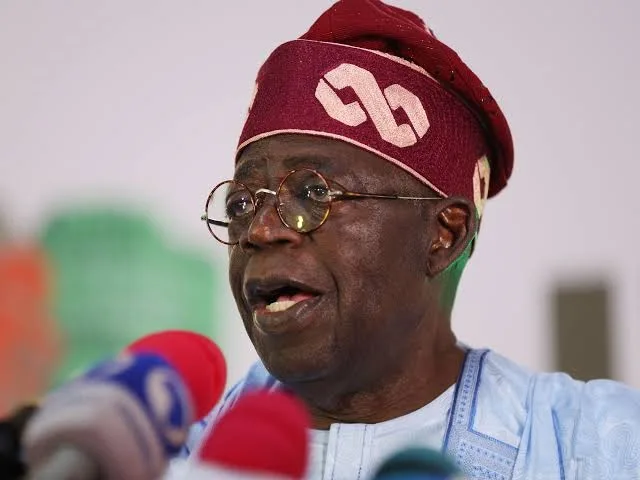
At the Spring Meetings, Cardoso, alongside Finance Minister Wale Edun, highlighted Nigeria’s macroeconomic progress, including a trade surplus of $2.2 billion in 2024, a 106.5% rise in portfolio investment inflows to $13.35 billion, and early signs of disinflation, with inflation dropping to 23.18% in March 2025 from a peak of 32.7% in September 2024. However, challenges persist, as food inflation remains sticky, and the high interest rate of 27.5% in February 2025, coupled with a cost-of-living crisis, has strained households. The IMF revised Nigeria’s 2025 growth forecast downward to 3% from 3.2%, citing global uncertainties and weak oil prices, though the World Bank projects a slightly higher 3.6% growth.
Cardoso’s engagements, including a high-profile forum at Nasdaq MarketSite in New York before the Spring Meetings, underscored Nigeria’s reform momentum. Titled “The Nigeria Investment Agenda: Pathways for Growth & Global Partnerships,” the event, co-hosted with J.P. Morgan and the Nigerian Exce Group, attracted global investors and diaspora leaders. Cardoso’s fireside chat with Nobel laureate Dr. James Robinson emphasized restoring trust through orthodox monetary policies, with measures like monetary tightening and transparent FX frameworks drawing praise from the IMF and World Bank. Visits by Citigroup CEO Jane Fraser and JPMorgan’s Jamie Dimon signal growing investor interest, with Cardoso noting, “There is an enormous amount of interest now, recognizing the fact that the Nigerian currency is relatively moderated and has made our economy a lot more competitive.”
Despite domestic criticism, with the Nigeria Labour Congress arguing that reforms have exacerbated living conditions, Cardoso and Edun remain optimistic, stressing that private sector-led growth and sustained reforms will drive inclusive prosperity. X posts, such as @TheTope_Ajayi’s, reflect the government’s narrative of reform success, while @thecableng cited the IMF’s acknowledgment that Tinubu’s policies enable Nigeria to navigate global shocks. As Nigeria courts long-term capital, Cardoso’s commitment to transparency—evidenced by plans to disclose net reserves regularly from early 2025—aims to cement investor trust and sustain economic gains.




















I wonder if Tinubus reforms are really making a difference or if its just hype. Any thoughts?
I cant believe the praise for Tinubus reforms! Is Cardoso overlooking the challenges facing everyday Nigerians? #JustSaying
I wonder if Tinubus reforms are really benefiting the average Nigerian or just serving the elite. Thoughts?
I wonder if Tinubus reforms are really benefiting the average Nigerian. Its great to hear about progress, but is it reaching everyone?