
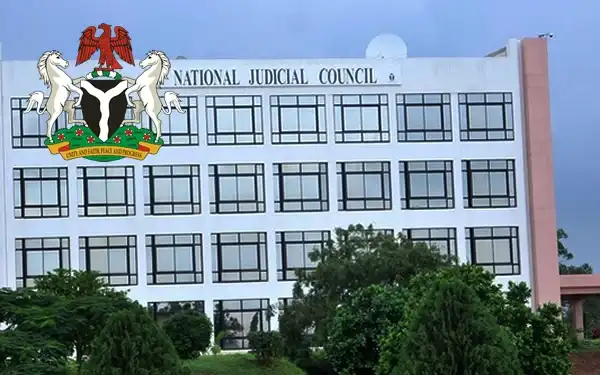
Nigeria’s judiciary remains fundamentally sound despite persistent allegations of corruption, according to the chairman of the Nigerian Bar Association’s Kebbi State branch. Aminu Hassan delivered a robust defense of the justice system during the launch of the Equity Bar Law Week in Birnin Kebbi, where he confronted public skepticism about judicial integrity head on. His remarks come at a time when public confidence in legal institutions faces mounting challenges across the country.

Hassan acknowledged that dissatisfied litigants occasionally attempt to influence court proceedings, but he insisted that such efforts do not represent systemic failures. Judicial officers operate under stringent ethical and legal frameworks designed to prevent misconduct, he explained. Some parties unhappy with evidence presented against them may seek to sway outcomes through improper means, yet the vast majority of judges and magistrates uphold their professional obligations. Both offering and accepting bribes constitute criminal offences, and Hassan urged citizens to report any suspected violations to appropriate authorities.
The legal community leader emphasized that Nigeria’s courts continue to serve as the ultimate refuge for ordinary citizens seeking justice. Despite well documented challenges, the judiciary plays an indispensable role in maintaining social order and resolving disputes that might otherwise deilize communities. Hassan’s comments reflect an awareness that public trust must be earned and maintained through consistent demonstration of impartiality and adherence to the rule of law. He stressed that the legal profession has consistently discouraged corrupt practices and remains committed to rooting out any instances of misconduct.

Beyond defending the judiciary’s reputation, Hassan highlighted tangible improvements in how Kebbi State courts operate. Ongoing judicial reforms have enhanced case management systems and accelerated the pace of adjudication, addressing longstanding complaints about delays that deny timely justice. Cases that previously languished for years now move through the system more efficiently, benefiting both plaintiffs and defendants. These procedural advances represent concrete steps toward making justice more accessible to residents across the state.
Digital transformation emerged as a key theme during Hassan’s address, with particular praise directed toward the Kebbi State Government for implementing technology solutions throughout the judiciary. Digitization efforts promise to streamline court operations, reduce paperwork bottlenecks, and align local practices with international standards. Hassan encouraged legal practitioners attending the Law Week to embrace technological tools that can expedite proceedings and improve service delivery. Modernization of court systems offers pathways to resolve the tension between thoroughness and speed that has long plagued judicial administration.

The Equity Bar Law Week event drew significant participation from government officials, including Governor Nasir Idris and the state’s Attorney General and Commissioner for Justice, alongside members of the legal community. Looking ahead, the success of judicial reforms in Kebbi State may serve as a model for other jurisdictions grappling with similar challenges. Whether these initiatives can fully restore public confidence in the justice system remains to be seen, but they signal a willingness to confront institutional weaknesses through concrete action rather than mere rhetoric. As Nigeria continues to strengthen democratic institutions, the performance and perceived legitimacy of its courts will remain central to broader governance outcomes.



















Leave a comment