
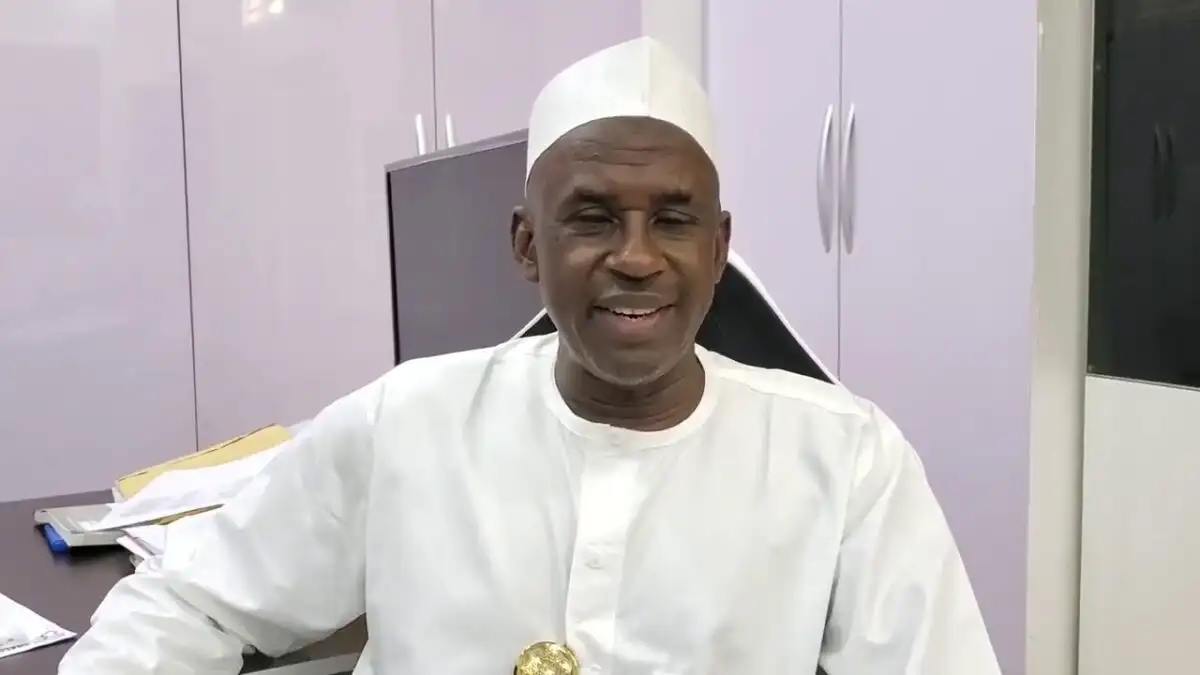
Nigerian democracy faces a critical test as political desperation reaches alarming levels following the conclusion of party primary elections, according to public affairs commentator Mahdi Shehu. In a stark assessment shared on social media platform X on Saturday, Shehu painted a troubling picture of a political class still grappling with basic democratic principles even after a quarter century of uninterrupted civilian governance. His comments have reignited debate about the maturity of Nigeria’s democratic institutions and the behaviour of those seeking to lead them.

Central to Shehu’s concerns is what he describes as a deliberate lack of transparency in the aftermath of the primaries. Despite the formal conclusion of candidate selection processes across political parties, final lists of candidates remain unreleased, shrouded in what the commentator characterised as suious secrecy. Drawing a colourful comparison, Shehu suggested that parties are treating these lists as if they were being held in a casino room, subject to last minute deals and manipulations. The withholding of results has fuelled reactions, disputes, and rejections that reveal deep fractures within party structures and raise questions about the integrity of the selection process itself.
Perhaps most damning in Shehu’s analysis is his observation that Nigerian politicians continue to struggle with fundamental democratic processes despite 25 years of continuous practice. The behaviour on display, he argues, suggests that lessons from previous electoral cycles have not been adequately absorbed by the political class. Instead of demonstrating increased sophistication and adherence to democratic norms, politicians are exhibiting patterns that betray a troubling immaturity. The disputes and confusion surrounding the primaries stand as evidence that democratic learning remains incomplete, raising concerns about what this means for the quality of governance and representation citizens can expect.

Adding another layer to the crisis is what Shehu identifies as extreme desperation for power at any cost. Politicians who failed to secure tickets from their original parties are now engaging in frantic party shopping, moving from platform to platform in search of opportunities. Some are joining parties they previously condemned and demonised, demonstrating that ideology and principle take a back seat to personal ambition. Former rivals are forming what Shehu describes as strange bedfellow alliances, partnerships built not on shared vision or values but on naked calculations about electoral advantage. Such behaviour, while not entirely new to Nigerian politics, appears to have intensified to levels that threaten the coherence of party platforms and confuse voters about what different parties actually stand for.
Shehu’s warnings extend beyond mere criticism of individual politicians to encompass broader systemic concerns about the health of Nigerian democracy itself. He cautioned that democracy is in visible danger given the dangerous desperation currently on display across the political spectrum. The willingness to abandon principles, switch allegiances, and manipulate processes for personal gain erodes public trust in democratic institutions and creates cynicism among citizens. When political parties become mere vehicles for individual ambition rather than platforms for competing visions of national development, the very foundation of representative democracy weakens.
Looking ahead, Shehu predicted that the full consequences of current political developments will become clearer as Nigeria moves through the election period and beyond. While the immediate situation may appear uncertain and chaotic, time will reveal the true impact on the country’s political landscape and democratic trajectory. Citizens and observers alike will be watching closely to see whether political parties can restore order and transparency, whether candidates will prioritise national interest over personal ambition, and whether Nigerian democracy can weather this storm of desperation and emerge stronger. What happens in the coming months may well determine whether the past 25 years of democratic experience have built resilient institutions or merely created sophisticated mechanisms for the pursuit of power without principle.














Leave a comment