
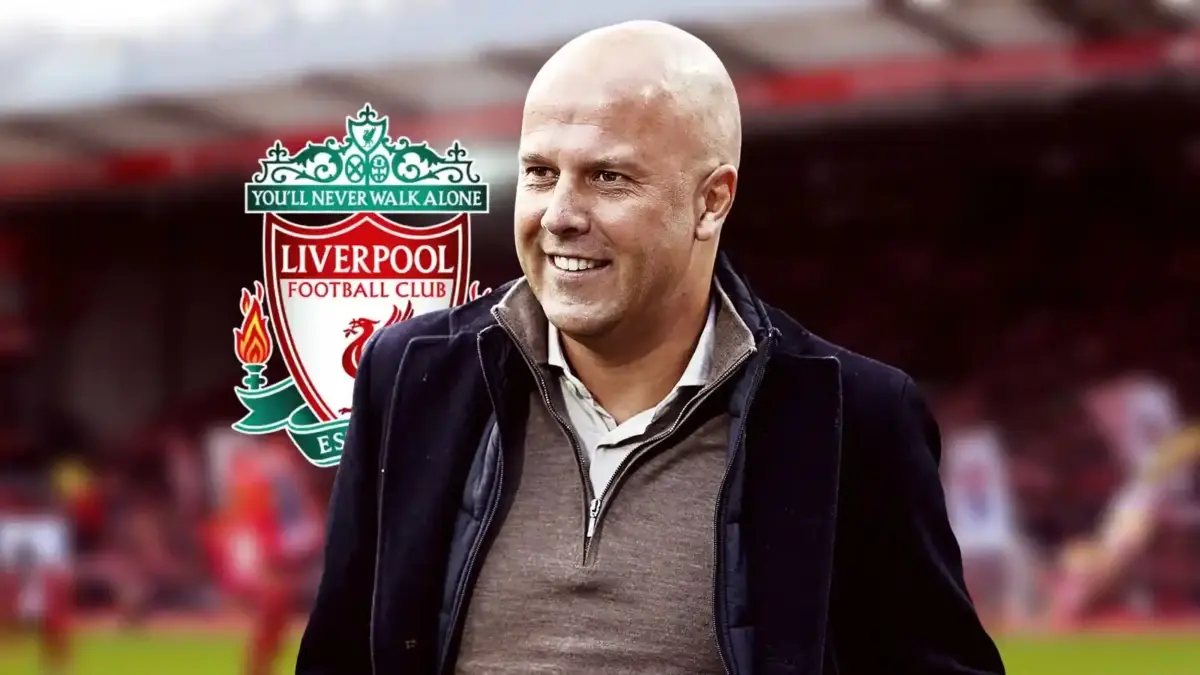
The irony could scarcely be more stark. Liverpool had planned to reunite Arne Slot with another Dutch coach from Feyenoord, set piece specialist Etienne Reijnen, to bolster his backroom staff for a third season at Anfield. Instead, the club decided it had too many Dutch coaches from Feyenoord by one. Slot himself is now gone, sacked just 12 months after delivering Liverpool’s first Premier League title in over three decades, a victim of what amounts to a stunning reversal of fortune and faith.
The speed of the collapse has left many at the club uncomfortable. As recently as the appointment window when Chelsea secured Xabi Alonso, Liverpool hierarchy publicly backed Slot and refused to intervene or explore alternatives. Director of football Richard Hughes, supported by Michael Edwards and ownership group Fenway Sports Group, had been reinforcing rather than undermining the manager’s position. Slot himself expected to return for a third campaign and was reportedly disappointed, even shocked, by the dismissal. Until the final 48 hours, all indications suggested he retained the confidence of those who mattered most.
Yet an end of season review delivered a harsh verdict that could not be ignored. Slot joins an exclusive and unwanted club, becoming only the second title winning manager Liverpool have dismissed in the modern era after Kenny Dalglish’s second spell. The decision reflects a shift toward the impatient standards now prevalent across elite football, where even recent success offers little protection against subsequent decline. Liverpool faced a familiar dilemma: retain a manager whose trajectory suggested inevitable autumn dismissal, or act decisively in May and risk appearing ruthless. They chose decisiveness over sentimentality.

The statistics told a story of precipitous decline that proved impossible to defend. Liverpool accumulated just 60 points across the season, a staggering 24 fewer than their title winning campaign. Goals dropped by 23, while defensive fragility reached new depths as the team conceded more than in any previous 38 game Premier League season. Across all competitions, 19 defeats painted a picture of systemic failure. Form down the stretch offered no encouragement whatsoever, with just two points taken from the final four league matches and only three victories in the last 11 games overall. Even a mid season recovery, during which Liverpool went 13 matches unbeaten after a catastrophic autumn run of nine defeats in 12, could not salvage a campaign many supporters had written off by October.
Slot’s defenders argue he became a scapegoat for recruitment failures beyond his control. A £450 million spending spree created as many problems as it solved, with marquee signing Alexander Isak proving a semi fit white elephant who caused more headaches for his own manager than opposition defences. The narrative that Slot won with Jurgen Klopp’s team and lost with his own gained traction, yet overlooks the tactical refinements that transformed a third place side into champions within 12 months. Injuries decimated squad depth throughout the season, while the tragic loss of Diogo Jota cast a shadow over the entire campaign. Slot conducted himself with dignity and good humour through impossible circumstances, earning him considerable personal sympathy even from those who ultimately wielded the axe.

Attention now turns to succession planning, with Bournemouth’s Andoni Iraola emerging as a leading candidate in a process heavy with irony. Hughes brought Iraola to the south coast, and may now reunite with him at Anfield to clean up a mess the director of football helped create through questionable recruitment. Questions about accountability at executive level remain largely unaddressed as Liverpool’s typically low profile hierarchy deflects scrutiny downward. Whether ce proves necessary or merely convenient will only become clear when a new manager inherits the same structural challenges that ultimately proved Slot’s undoing. What remains certain is that Liverpool have crossed a threshold, abandoning their historical patience with proven winners in favour of the ruthless standards that now govern modern football’s unforgiving landscape.








Leave a comment