

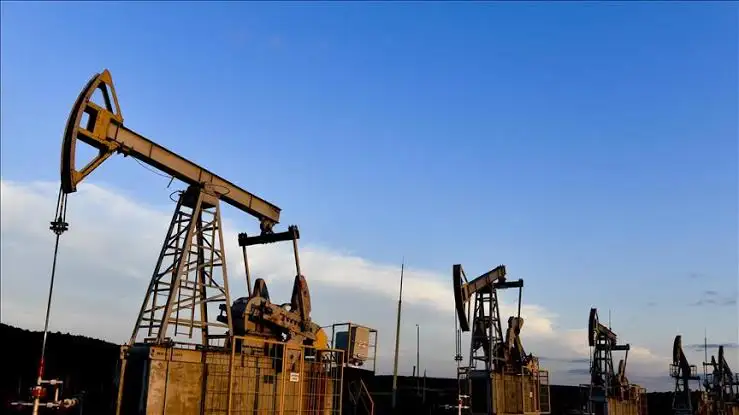
The ongoing conflict in the Middle East has intensified a global energy crisis, with supply chains facing mounting disruptions across multiple regions. Analysts report that tensions in key oil producing countries have led to uncertainty in production, transportation, and distribution networks, creating a ripple effect that is affecting energy availability and pricing worldwide.
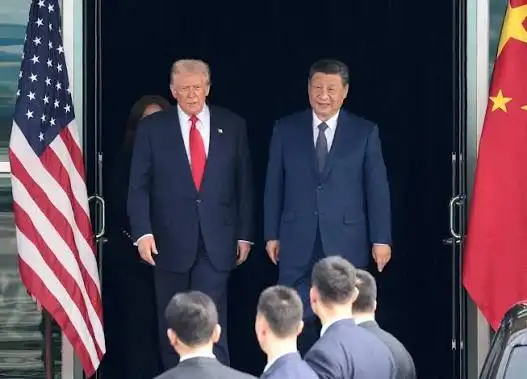
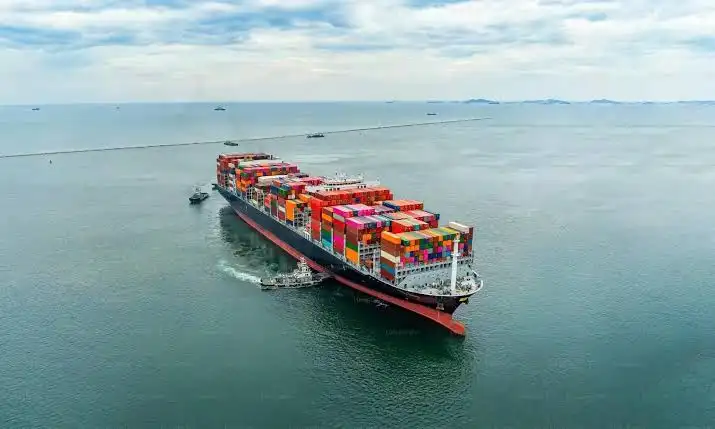
Energy experts warn that the current situation is straining infrastructure critical to maintaining le fuel supplies. Delays in shipping, port closures, and security concerns are contributing to reduced throughput, while refineries are adjusting operations to cope with fluctuations in crude availability. The impact is being felt across both industrial and consumer markets.
Governments in affected and dependent nations are closely monitoring energy flows, with some activating strategic reserves to offset potential shortages. Policy makers are also evaluating alternative supply routes and sources to mitigate the effects of disruptions, while coordinating with international partners to ensure continuity of essential energy services.
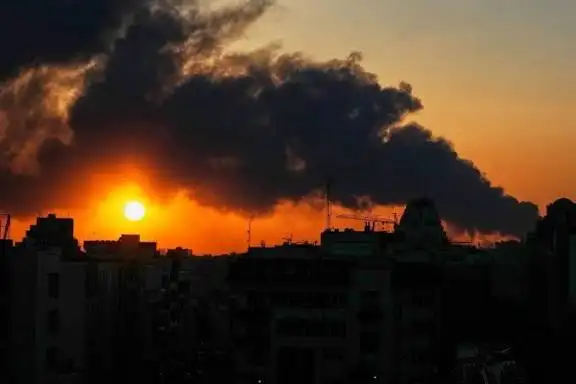
Global markets have reacted sharply to these developments, with oil and gas prices showing significant volatility. Investors are adjusting strategies in response to the heightened risk environment, while companies involved in production and logistics are implementing contingency measures to maintain operational resilience and manage potential losses.
Industries heavily reliant on fuel and power are already reporting increased costs and operational delays. Manufacturing, transportation, and utilities are among the sectors most affected, with businesses seeking ways to optimize energy use and secure alternative sources amid uncertainty surrounding regional ility.
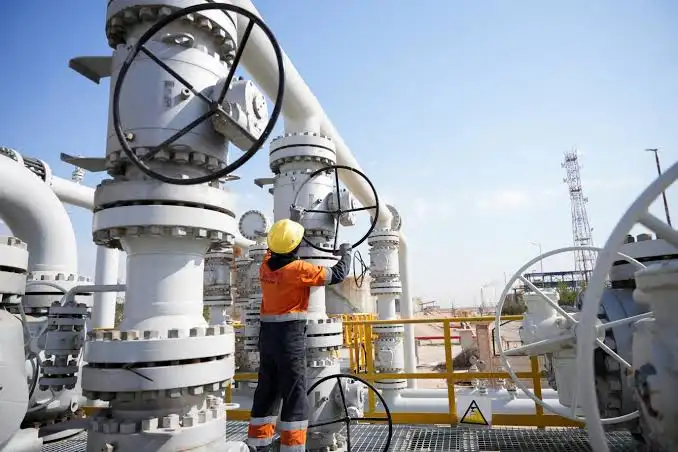
Humanitarian agencies are also concerned about the impact on vulnerable populations, particularly in countries where energy access is critical for essential services. Rising fuel prices and shortages could exacerbate existing socio economic challenges, highlighting the interconnected nature of geopolitical tensions and human well being.
As the crisis continues, experts stress the importance of coordinated international efforts to ilize energy supplies and prevent further disruptions. Monitoring geopolitical developments, securing critical infrastructure, and diversifying supply sources are seen as essential strategies to mitigate the effects of ongoing regional conflict on the global energy landscape.











Leave a comment