
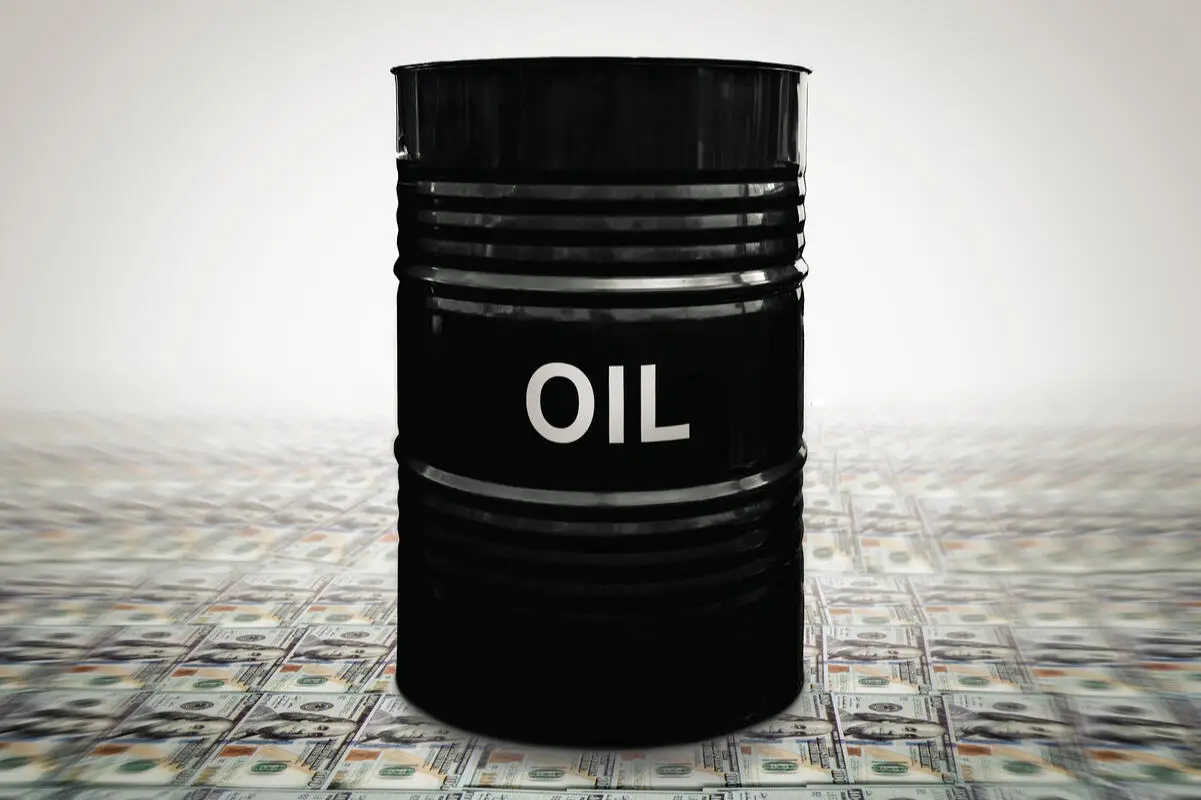
A new report from the New Zealand Ministry of Foreign Affairs and Trade has warned that the ongoing tensions involving the United States, Israel and Iran could significantly affect global energy markets and push fuel costs higher for New Zealand.

According to the report, disruptions in the Persian Gulf could threaten global oil supply and create ripple effects across international markets. A key concern is the security of the Strait of Hormuz, one of the most critical oil shipping routes in the world. Around 20 percent of the global oil supply moves through this narrow waterway, making it vital to the ility of energy markets.
Although New Zealand no longer imports crude oil directly from the Gulf region, the country remains vulnerable through its refined fuel supply chain. New Zealand relies on petroleum products refined in Asian economies including South Korea, Singapore, Malaysia and Japan. These refineries depend heavily on crude oil from the Middle East. If supply from the Gulf is disrupted, these nations may need to compete for oil from other regions, pushing global prices higher.

The report warns that sustained increases in oil prices could affect many parts of the economy. Higher fuel costs could reduce household spending at a time when many families are already dealing with rising living expenses. Businesses may also face increased costs, especially in transportation and energy intensive industries such as fertiliser production.
Energy markets have already shown signs of pressure. Global benchmark oil prices have climbed significantly since tensions escalated. Analysts suggest prices could exceed 100 dollars per barrel if shipping through the Strait of Hormuz is completely halted.
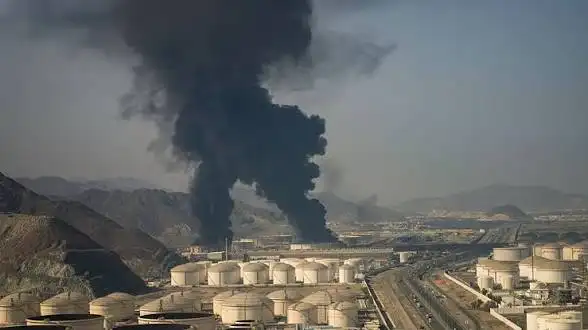
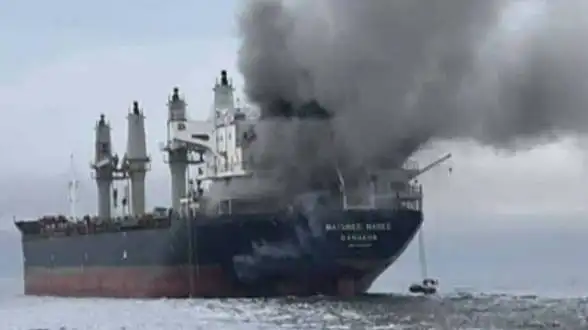
Beyond oil markets, the conflict could disrupt global supply chains and international transport routes. Air travel and shipping across parts of the Middle East have already been affected, potentially raising costs and delaying goods moving between regions.
The report concludes that the overall economic impact will depend on whether the conflict remains contained or expands across the region.
Tags: global oil prices, middle east conflict, new zealand economy, energy supply risk, strait of hormuz, fuel price increase, global trade disruption, persian gulf tensions, international shipping impact, geopolitical crisis,Middle East Conflict Raises Global Oil Price Concerns for New Zealand Economy
A new report from the New Zealand Ministry of Foreign Affairs and Trade has warned that the ongoing tensions involving the United States, Israel and Iran could significantly affect global energy markets and push fuel costs higher for New Zealand.
According to the report, disruptions in the Persian Gulf could threaten global oil supply and create ripple effects across international markets. A key concern is the security of the Strait of Hormuz, one of the most critical oil shipping routes in the world. Around 20 percent of the global oil supply moves through this narrow waterway, making it vital to the ility of energy markets.
Although New Zealand no longer imports crude oil directly from the Gulf region, the country remains vulnerable through its refined fuel supply chain. New Zealand relies on petroleum products refined in Asian economies including South Korea, Singapore, Malaysia and Japan. These refineries depend heavily on crude oil from the Middle East. If supply from the Gulf is disrupted, these nations may need to compete for oil from other regions, pushing global prices higher.
The report warns that sustained increases in oil prices could affect many parts of the economy. Higher fuel costs could reduce household spending at a time when many families are already dealing with rising living expenses. Businesses may also face increased costs, especially in transportation and energy intensive industries such as fertiliser production.
Energy markets have already shown signs of pressure. Global benchmark oil prices have climbed significantly since tensions escalated. Analysts suggest prices could exceed 100 dollars per barrel if shipping through the Strait of Hormuz is completely halted.
Beyond oil markets, the conflict could disrupt global supply chains and international transport routes. Air travel and shipping across parts of the Middle East have already been affected, potentially raising costs and delaying goods moving between regions.
The report concludes that the overall economic impact will depend on whether the conflict remains contained or expands across the region.














Leave a comment