

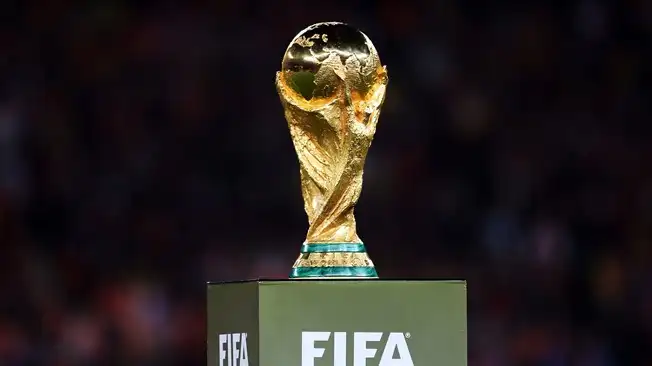
Football’s grandest stage has never been more fraught with political complexity. As the 2026 World Cup unfolds across North America, the tournament finds itself at the intersection of fractured diplomatic relationships, spiraling costs, and geopolitical tensions that threaten to overshadow the sport itself. Experts and fans alike are asking whether this edition represents a watershed moment for international football, where politics may matter more than the beautiful game.
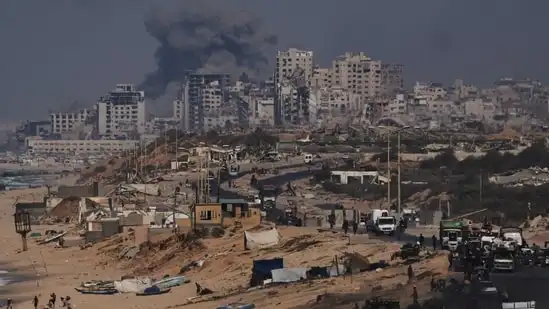
The United States shares hosting duties with Canada and Mexico, a tripartite arrangement that initially promised continental unity but has been tested by diplomatic friction between Washington and its neighbors. Relations among the host nations have weathered periods of significant strain, raising logistical and symbolic questions about collaboration on such a massive undertaking. Beyond the borders of North America, the tournament brings together nations locked in deeper conflicts, including a historic first: the United States and Iran competing in the same World Cup while engaged in open hostilities. Such unprecedented circumstances have left many supporters uncertain about whether to travel to matches, worried about their safety amid heightened international tensions.
Economics editor Mehreen Khan of The Times of London, who has followed football passionately throughout her life, notes that politics and money have always been woven into the fabric of international sporting events. Yet this tournament pushes those entanglements to new extremes. The financial burden facing fans has become a flashpoint of controversy. Ticket prices, accommodation costs, and travel expenses have reached levels that place attendance beyond the reach of many ordinary supporters, prompting a broader debate about accessibility and whether the World Cup risks becoming an event for the wealthy elite rather than a global celebration.
Historical context reveals that football has long served as both a mirror and a battleground for political rivalries. Previous tournaments have witnessed boycotts, protests, and diplomatic incidents. What distinguishes the 2026 edition is the sheer accumulation of concurrent challenges: strained relations among host countries, active military conflicts involving participating nations, and an economic model that increasingly prioritizes commercial interests over fan experience. These factors combine to create an atmosphere where every match carries weight beyond the scoreline, where national anthems resonate with deeper meaning, and where the stadium becomes a microcosm of global disorder.
Supporters contemplating the journey to North America face calculations that extend far beyond team loyalty. Security concerns weigh heavily on minds already burdened by the financial sacrifice required to attend. Some question whether the experience justifies the investment, particularly when geopolitical uncertainty casts a shadow over what should be a joyful pilgrimage. Organizers insist that robust security measures and careful coordination among host nations will ensure a safe and memorable tournament, yet skepticism persists among those watching tensions escalate in real time.
Looking ahead, the 2026 World Cup may well define how international football navigates an era of deepening polarization and commercialization. Whether the tournament can rise above its political backdrop to deliver moments of unity and sporting brilliance remains an open question. What seems certain is that future competitions will be judged against this benchmark, a World Cup that forced the global football community to reckon with uncomfortable truths about power, access, and the true cost of hosting the world’s most watched sporting event. The matches will end, champions will be crowned, but the broader conversation about football’s relationship with politics and money has only just begun.
You May Like

















Leave a comment