

The United Nations World Food Programme has warned that no fewer than 55 million people across West and Central Africa could face crisis levels of hunger or worse during the June–August 2026 lean season unless urgent funding and humanitarian action are mobilised.
In a statement released on Friday, the WFP said worsening food insecurity driven by conflict, displacement, economic pressures, and deepening aid cuts has pushed the region into a precarious situation. Nigeria was identified as one of the four most affected countries, alongside Chad, Cameroon, and Niger, which together account for 77 per cent of the region’s food-insecure population.
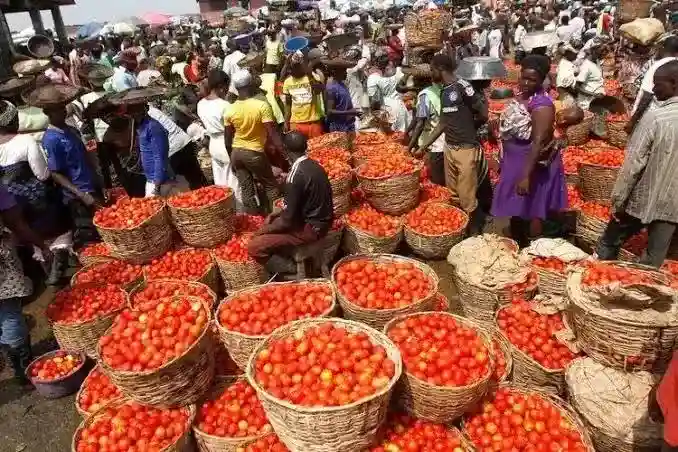
The agency raised particular concern about Nigeria’s northeast, where about 15,000 people in Borno State are now at risk of catastrophic hunger, classified as IPC Phase 5, for the first time in nearly a decade. The WFP attributed the situation to prolonged insurgency and shrinking humanitarian support.
According to the latest Cadre Harmonisé analysis, more than three million people across West and Central Africa are expected to face emergency levels of food insecurity (IPC Phase 4) in 2026, more than double the figure recorded in 2020. The WFP also projected that over 13 million children in the region would suffer from acute malnutrition this year.
Sarah Longford, WFP’s Deputy Regional Director for West and Central Africa, said funding reductions recorded in 2025 have significantly worsened hunger and malnutrition. She warned that as humanitarian needs continue to outpace available resources, desperation among vulnerable populations could fuel further unrest, displacement, and conflict.
In Nigeria, funding shortfalls forced the WFP to scale back nutrition programmes in 2025, affecting more than 300,000 children. The agency disclosed that only about 72,000 people can be reached in February 2026, compared with 1.3 million assisted during the 2025 lean season.
Despite the bleak outlook, the WFP noted that its interventions have proven effective where funding is available, stressing that over $453m is urgently needed in the next six months to sustain life-saving operations and build resilience across the region.



















This is heartbreaking! Why isnt more being done to help these people? We need to step up and take action.
Isnt it crazy how we waste so much food while millions are starving? We need to do better, seriously.
I cant believe the lack of support for these countries facing hunger crises. We need to do more to help!
I cant believe the situation in West and Central Africa, especially in Nigeria. We need to do soing about this crisis now!