

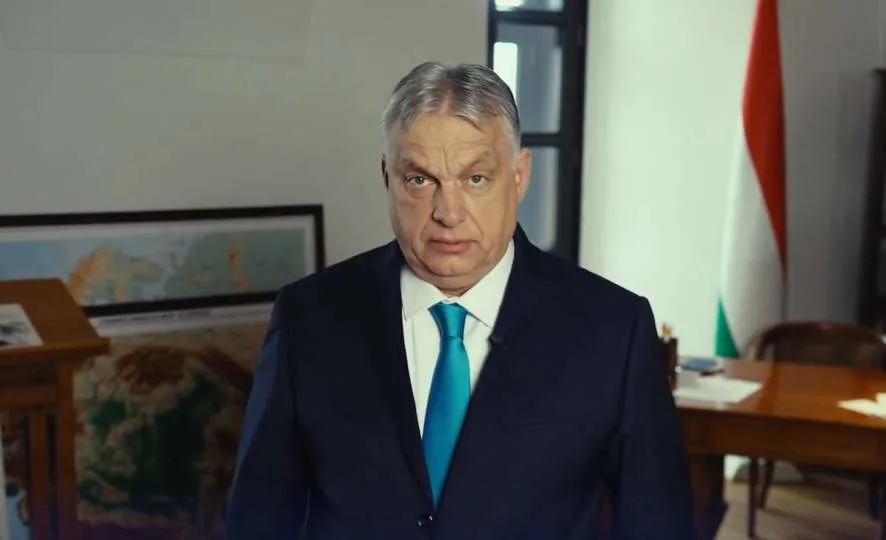
For the first time in nearly two decades, European Union leaders convened in Brussels on Thursday without Viktor Orban seated at the table, marking a dramatic shift in the political landscape that has defined European politics for a generation. The Hungarian strongman who championed nationalist populism across the continent and became a symbol of Europe’s rightward drift now watches from the sidelines as his successor navigates the halls of power he once dominated.
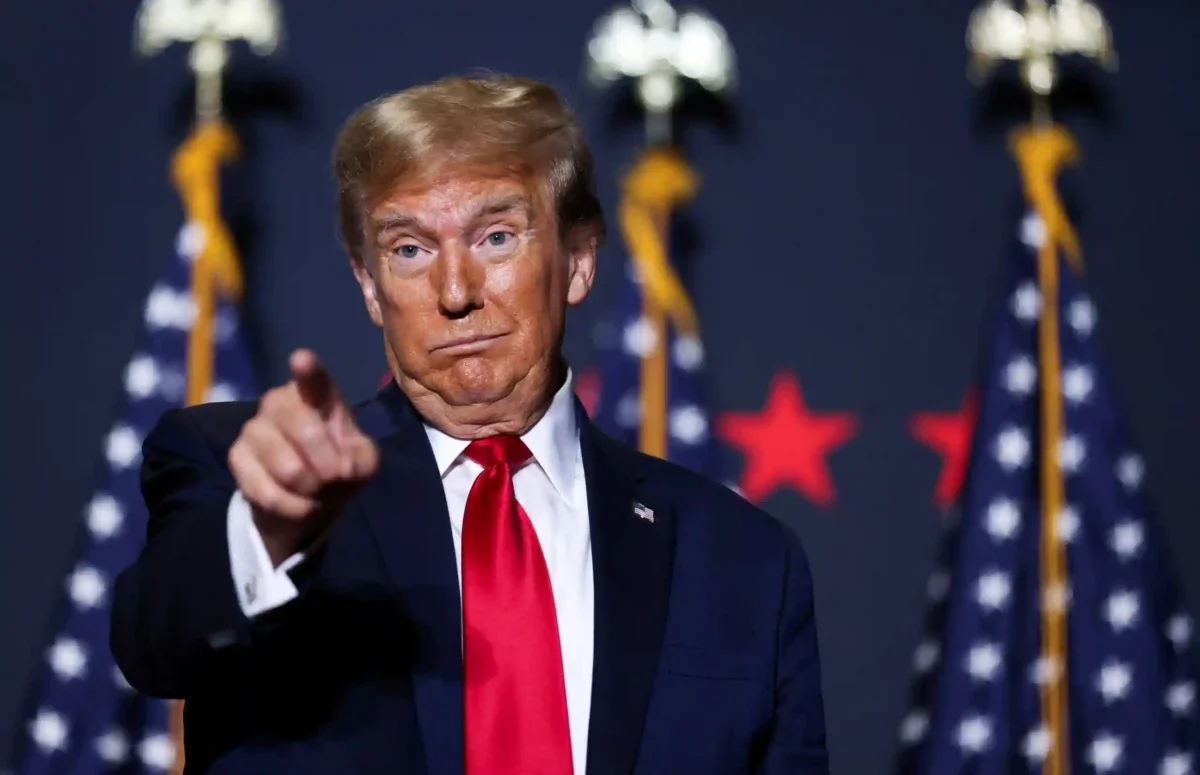
Prime ministers, chancellors and presidents have cycled through Brussels over the years, but Orban remained a constant presence, pioneering a brand of illiberal democracy that found admirers from Budapest to Washington. His combative approach to EU institutions, repeated clashes over democratic norms, and systematic dismantling of checks and balances in Hungary made him both a polarizing figure and a template for populist movements worldwide. The Make America Great Again movement in the United States counted him among its ideological inspirations, while European capitals viewed him with growing alarm as he blocked initiatives on Ukraine, vilified Brussels bureaucrats, and flouted EU regulations with impunity.
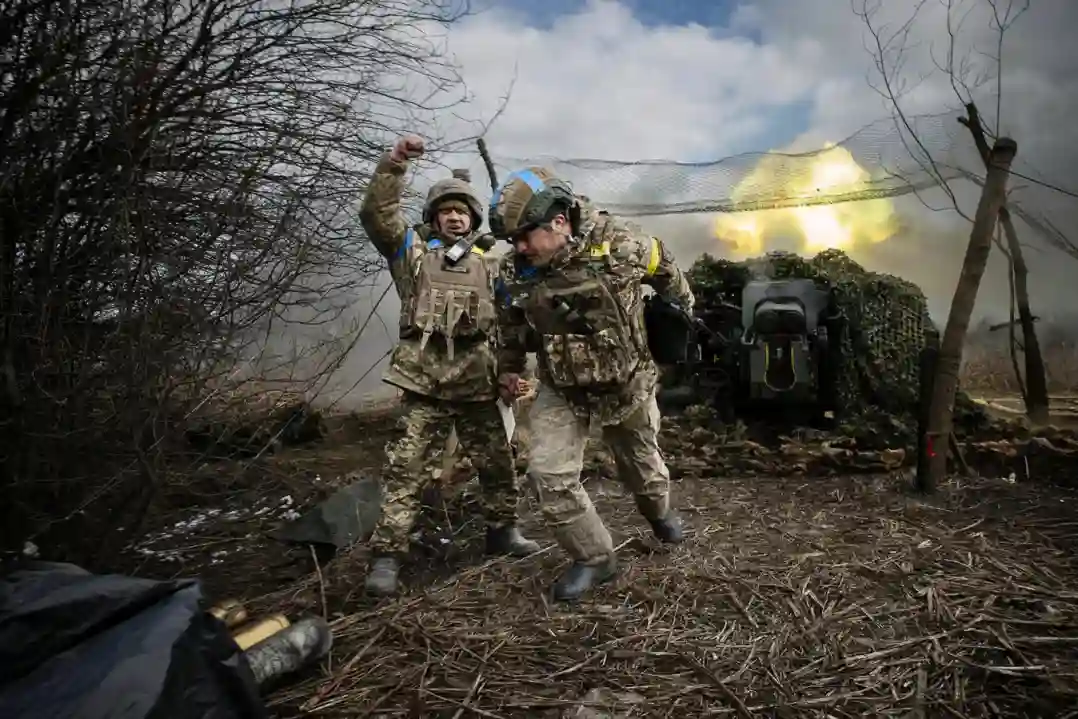
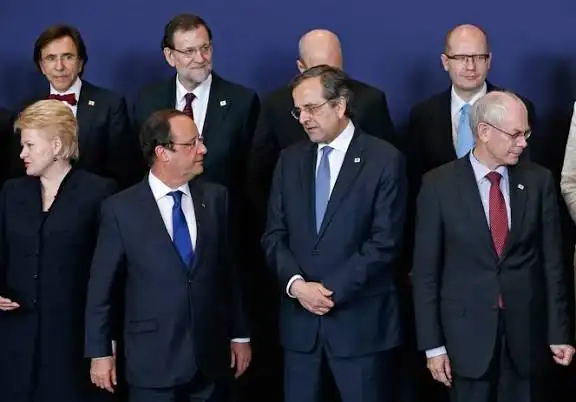
Orban’s absence from the summit follows his surprising defeat in April’s pivotal Hungarian election, a result that sent ripples of relief through European capitals and signaled potential rejection of his confrontational style. His successor, Péter Magyar, now sits among leaders including Spain’s Pedro Sanchez, France’s Emmanuel Macron, and Germany’s Friedrich Merz, preparing to chart a course likely divergent from the Orban era. As discussions turned to ramping up support for Ukraine, a cause Orban had long obstructed, the former prime minister found himself in unfamiliar territory outside the negotiating room.
Yet Orban has not retreated from the political stage entirely. While EU leaders deliberated inside, he convened his own gathering in the Belgian capital with allies from Patriots for Europe, the far right party group he helps lead that now forms the third largest caucus in the European Parliament. Surrounded by ideological compatriots from across the bloc, Orban projected confidence that his electoral setback represents merely a temporary interruption rather than a definitive end to his political vision.
Speaking to journalists on Wednesday, Orban insisted his election loss had done nothing to halt what he characterized as the inevitable rise of patriotic politics across Europe. His defiant stance reflects a broader reality that despite his personal defeat, the populist and nationalist movements he championed continue gaining ground in multiple European nations. Whether his influence proves durable without the institutional power base he wielded for so long remains an open question that will shape European politics in the years ahead.
The contrast between the two summits taking place simultaneously in Brussels underscores the fundamental tension now playing out across the continent. Inside the official EU meeting, leaders grapple with unity on Ukraine, economic challenges, and democratic governance. Outside, Orban and his allies plot their next moves, convinced that mainstream European politics remains vulnerable to their nationalist critique. How Magyar navigates Hungary’s relationship with Brussels, and whether Orban can maintain relevance from opposition, will provide crucial indicators of whether Europe’s populist wave has crested or merely paused to regroup.












Leave a comment