

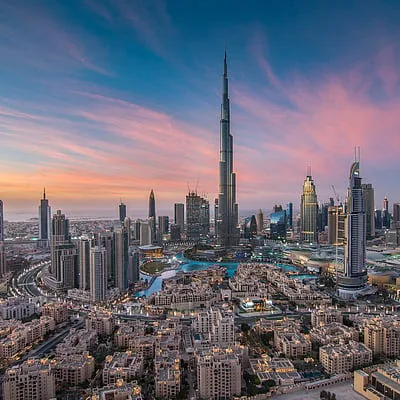
In July 2025, the United Arab Emirates (UAE) experienced a notable slowdown in its non-oil business sector, with the S&P Global Purchasing Managers’ Index (PMI) declining to 52.9 from 53.5 in June. This marked the weakest growth rate in over four years, primarily attributed to regional geopolitical tensions, reduced tourism, and trade disruptions.
The PMI, a key indicator of economic health, remained above the neutral 50.0 threshold, indicating continued expansion. However, the rate of growth was the slowest since June 2021. David Owen, Senior Economist at S&P Global Market Intelligence, noted that while new order volumes contributed to expansion, the latest data indicated the softest rise in incoming new work in almost four years.
The slowdown was largely driven by hesitancy among clients to commit to new spending due to regional tensions, alongside weaker tourism activity and trade disruptions. New orders increased, but at the slowest pace since mid-2021. Despite the decline in demand, output continued to expand sharply as firms sought to prevent backlogs from rising further. However, employment growth eased, marking the weakest uplift in four months, as companies faced challenges in completing work on time.
Input cost pressures accelerated slightly, prompting businesses to raise their selling charges, although the increase was mild. Optimism for future activity remained, driven by hopes of strengthening demand levels, though confidence eased slightly amid global economic uncertainty and heightened competition.
In contrast, Dubai’s non-oil sector showed a solid recovery, with its PMI rising to 53.5 in July from 51.8 in June, driven by a sharper improvement in sales volumes.
The International Monetary Fund (IMF) had previously trimmed its 2025 economic growth forecast for the Middle East and North Africa (MENA) region to 2.6%, down from 4% projected in October 2024. This downward revision reflected rising global uncertainties from a trade war, declining oil prices, and ongoing regional geopolitical tensions. IMF official Jihad Azour cited weakened consumption, investment, and external demand as contributing factors.
Despite these challenges, the UAE’s non-oil sector remains a critical component of its economic diversification strategy. The government’s ongoing investments in infrastructure, technology, and tourism are expected to bolster the sector’s resilience and long-term growth prospects.
In summary, while the UAE’s non-oil sector faced a slowdown in July 2025 due to regional geopolitical tensions and reduced demand, the overall economic outlook remains cautiously optimistic, supported by strategic diversification efforts and ongoing investments in key sectors.
You May Like
















I wonder if this slowdown is just a blip or a sign of soing more serious brewing in the UAEs economy. Thoughts?
Is the slowdown in UAEs non-oil sector growth really due to geopolitical tensions or are there other factors at play? Lets discuss!
Is this a sign of economic vulnerability or just a temporary hiccup? Lets discuss! 🤔💬 #UAE #Economy #Geopolitics
Is this slowdown in the UAEs non-oil sector growth just a temporary hiccup or a sign of more significant challenges ahead? Thoughts?
Do you think the UAEs non-oil sector slowdown is just a temporary hiccup or a sign of deeper economic issues? #DebateTime
Could this slowdown be a strategic move by the UAE to diversify their economy further? Interesting times ahead!
Could this slowdown be a temporary blip or a sign of bigger trouble ahead for the UAEs non-oil sector? Curious to hear your thoughts!
Do you think the UAEs non-oil sector growth slowdown is solely due to geopolitical tensions, or are there other factors at play? Lets discuss!
Is this slowdown in the non-oil sector really surprising given the current geopolitical tensions? Or is it just a temporary hiccup? 🤔📉