


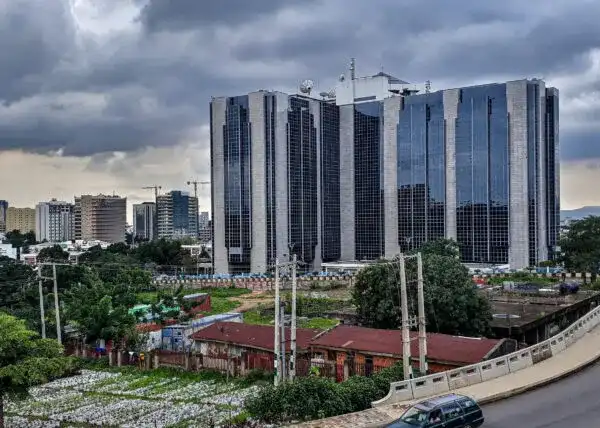
Nigeria’s banking sector is grappling with a surge in loan defaults as harsh economic conditions continue to weigh on households and businesses, pushing banks’ non-performing loans (NPLs) to ₦21.2 trillion.
Financial Vanguard’s analysis of unaudited nine-month Q3 2025 financial statements from the country’s top 11 banks shows that nine recorded increases in bad loans. Collectively, NPLs rose by five per cent from ₦20.2 trillion in Q4 2024 to ₦21.2 trillion by the end of Q3 2025.

Tier-1 banks accounted for the bulk of the impaired loans, with NPLs rising to ₦17.63 trillion from ₦16.94 trillion, while Tier-2 banks recorded a 10 per cent increase to ₦3.54 trillion. The Central Bank of Nigeria (CBN) confirmed the trend in its June 2025 Financial ility Report, noting that the industry’s NPL ratio climbed to 5.76 per cent, exceeding the regulatory benchmark of five per cent.
Analysts attribute the rising defaults to two major factors. First is the CBN’s withdrawal of COVID-19 regulatory forbearance, which previously allowed banks to restructure and delay classification of distressed loans. With the relief measures lifted, banks were compelled to reclassify underperforming facilities as non-performing.
The second factor is worsening loan defaults by corporates, driven by high interest rates, declining consumer purchasing power, foreign exce volatility, and rising operational costs following fuel subsidy removal. Analysts note that sectors such as oil and gas, construction, and manufacturing have been particularly affected.
Despite expectations that ongoing bank recapitalisation and tighter prudential standards will strengthen resilience, industry experts warn that sustained economic pressures could keep NPL levels elevated in the near term.
You May Like



















I find it hard to believe banks are struggling while still making huge profits. Soing doesnt add up here 🤔
I think banks should be more proactive in helping borrowers navigate financial difficulties to prevent loan defaults.
I think banks should offer more support to struggling borrowers instead of just piling up bad loans. Its a tough situation all around.
This article highlights a concerning trend. Are banks doing enough to help struggling borrowers during economic strain?
I think banks should be more cautious in giving out loans to avoid such high default rates. Its a risky business!
Maybe banks should rethink their lending strategies instead of blaming the economy for rising loan defaults. Just a thought 🤔