


A fresh warning has been issued over Nigeria’s worsening food outlook, as a combination of domestic challenges and global disruptions threaten to reverse the temporary relief seen in 2025 when food prices declined. Analysts now caution that 2026 could usher in a severe surge in food inflation if urgent action is not taken.
The warning echoes earlier concerns raised in January 2025, which were largely ignored by authorities. That inaction triggered a damaging cycle where increased food imports initially crashed prices, forcing local farmers into losses and reduced production. As supply tightened, prices began rising again, setting the stage for the current crisis.

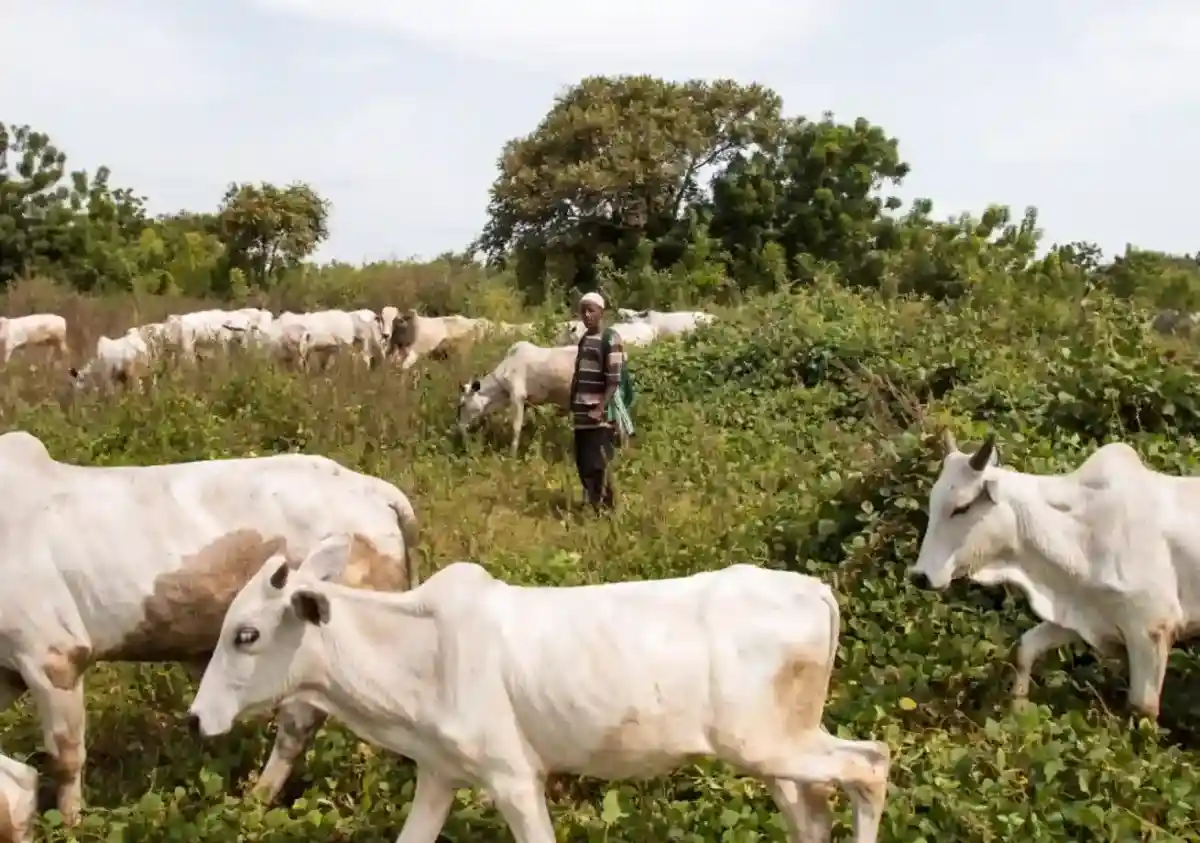
At the heart of the problem is a sharp decline in local food production. Reports of rice mills shutting down across the country have reduced incentives for farmers, leading to lower cultivation levels not just for rice but also for other staple crops. This decline is further compounded by widespread insecurity.
According to recent data, about 3.7 million Nigerians have been displaced, with a significant number of them originating from key agricultural regions such as Borno State, Benue State, Zamfara State, and Kaduna State. Many of these displaced persons were previously active farmers. Their relocation to camps has effectively removed millions of producers from the agricultural workforce while increasing the number of consumers dependent on limited food supplies.
Globally, the situation is being worsened by geopolitical tensions, particularly the ongoing crisis involving Iran, which threatens global food supply chains and energy infrastructure. Rising fuel prices, now exceeding N1,300 per litre in Nigeria, are also increasing transportation and production costs, further driving up food prices.
The combination of reduced domestic output, rising import costs, and declining purchasing power paints a troubling picture. Even the reliance on food imports, which provided temporary relief in the past, may no longer be sustainable due to higher global prices.
Experts warn that without immediate government intervention to support farmers, improve security in rural areas, and invest in modern agricultural practices, Nigeria could face a deepening food crisis. There are also calls to explore innovative solutions such as urban farming and improved storage systems to boost resilience.
As the country approaches another planting season under persistent insecurity and economic strain, the urgency to prioritize food production has never been greater.





















Leave a comment