

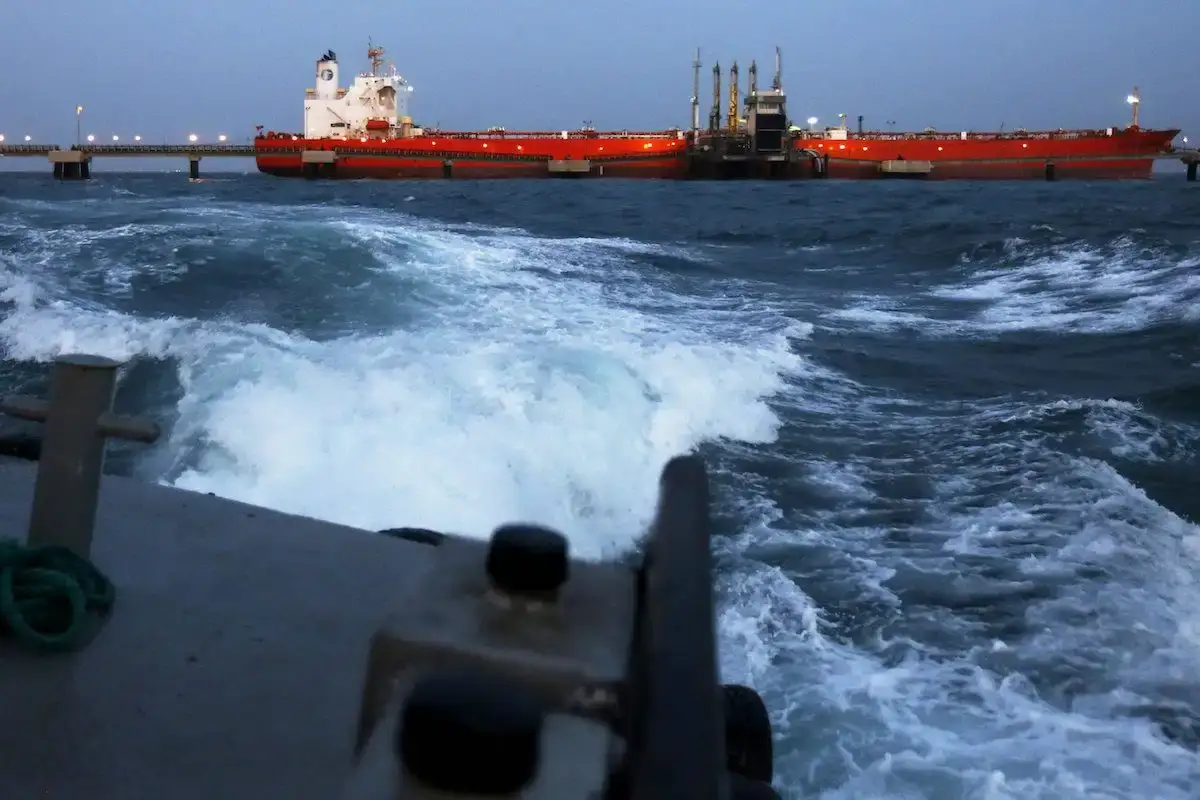
A powerful alliance of 75 civil society organizations and political parties has demanded that Nigeria’s presidency launch an immediate investigation into explosive allegations that petroleum products are being smuggled out of the country to Togo only to be reimported as foreign fuel. The Conference of Nigeria Political Parties and the Coalition of National Civil Society Organisations jointly issued the call on Wednesday, warning that such a scheme, if proven true, could represent one of the most audacious fuel subsidy frauds in recent memory.
At the heart of the controversy lies an unverified but persistent claim that unscrupulous traders have discovered a lucrative loophole in Nigeria’s fuel importation framework. According to the allegations, domestically refined or subsidized petroleum products are being transported across the border into neighboring Togo, only to be relabeled and shipped back into Nigeria as legitimate imports. Such a circular scheme would allow perpetrators to claim import duty exemptions, subsidy payments, or other financial incentives reserved for foreign fuel suppliers, effectively defrauding the Nigerian government and taxpayers of potentially billions of naira.

The coalition’s statement reflects mounting frustration among civil society groups over the opacity surrounding Nigeria’s fuel supply chain and the persistent questions about how petroleum products are procured, distributed, and accounted for. Energy sector analysts have long warned that Nigeria’s porous borders and weak enforcement mechanisms create ideal conditions for smuggling operations. Fuel subsis, when they exist, become particularly attractive targets for criminal networks seeking to exploit price differentials between Nigeria and its neighbors.
Nigeria has struggled for decades with fuel smuggling, primarily because government regulated prices often make petroleum products significantly cheaper domestically than in surrounding West African nations. Enterprising smugglers have historically transported fuel to countries like Benin, Cameroon, and Togo where it fetches higher prices on the open market. However, the reimportation angle represents a potentially more sophisticated evolution of this illicit trade, one that would require coordination among importers, customs officials, and possibly elements within the state petroleum apparatus itself.
Political parties within the coalition have seized on the allegations as evidence of systemic corruption and regulatory failure within the petroleum sector. They argue that only a comprehensive presidential investigation with full subpoena powers can uncover the truth and hold accountable any officials or business interests involved in such schemes. Civil society leaders emphasized that transparency in the fuel supply chain is not merely a matter of financial accountability but touches on national security, economic ility, and public trust in government institutions.
Whether the presidency will accede to these demands remains unclear, but the political pressure is mounting at a sensitive time for Nigeria’s energy sector. As the country continues its efforts to reform fuel pricing, eliminate costly subsis, and attract private investment into refining capacity, any major scandal involving fuel imports could undermine public confidence and complicate policy reforms. The coming weeks will reveal whether authorities take these allegations seriously enough to launch a credible investigation or whether the claims will fade into the background noise of Nigeria’s perpetually troubled petroleum sector.


















Leave a comment