

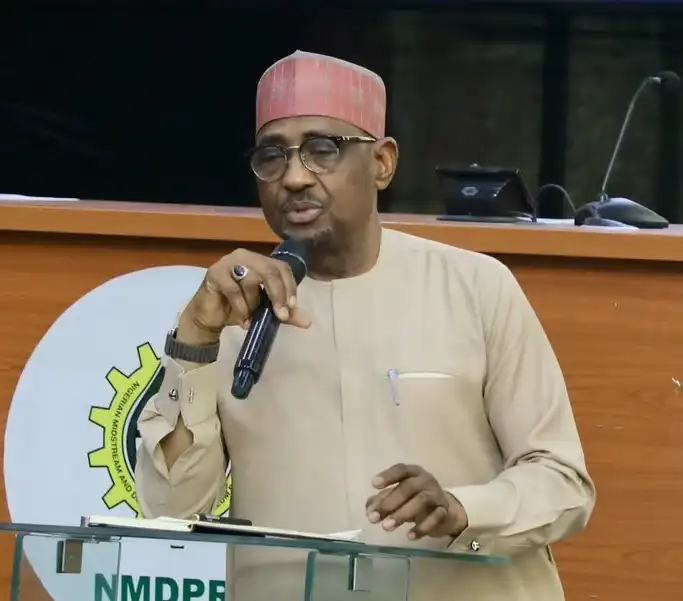
Nigeria has recorded an estimated N6 trillion gain from reforms in the downstream petroleum sector within the first nine months of 2025. The Nigerian Midstream and Downstream Petroleum Regulatory Authority (NMDPRA) revealed this during the ongoing Nigerian International Energy Summit in Abuja, highlighting that decades of heavy petroleum product importation had resulted in significant economic losses.
Speaking at the summit, NMDPRA Chief Executive Engr Saidu Mohammed stated that the government is prioritizing domestic refining and aims to source all of Nigeria’s petroleum product needs locally. He explained that for decades the downstream sector was associated with inadequate infrastructure and suboptimal supply chains, but this narrative is cing. According to Mohammed, the N6 trillion gains are attributed to full downstream deregulation, increased gas utilization, and the sale of petroleum products in naira.

He added that the reforms have conserved foreign exce and repositioned the energy sector as a net contributor to foreign exce earnings rather than a drain on national reserves. Mohammed also emphasized the growing role of natural gas in Nigeria’s energy transition, describing the gas sector as an emerging pillar of domestic energy supply and regional exports. Under the Federal Government’s Decade of Gas initiative, policies are being implemented to build infrastructure, stimulate demand, and create a commercially driven gas market capable of attracting investment.
Mohammed stressed that effective regulation remains central to sustaining investor confidence and that all projects must align with Nigeria’s strategic energy and economic planning. He also noted that the downstream revival requires modern pipeline-based distribution anchored around refinery hubs including Dangote and Port Harcourt to replace ageing infrastructure and improve efficiency.
The government continues to push for a self-sufficient downstream sector while positioning Nigeria as a hub for refined gas products and value-added exports including urea ammonia and fertilizers.
You May Like





















Leave a comment