

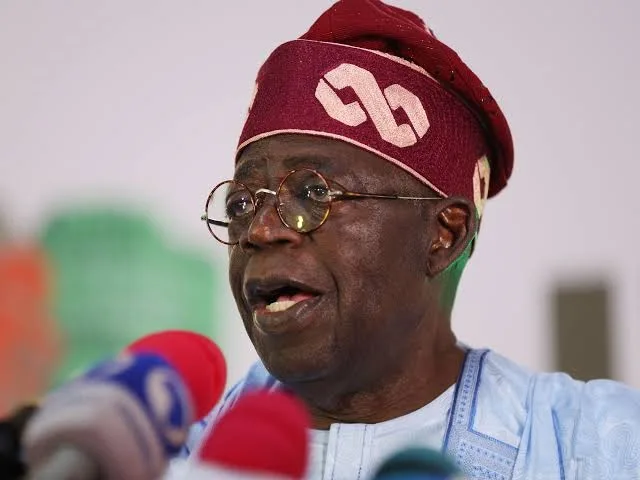
In recent months, Nigeria has embarked on a series of ambitious economic reforms aimed at revitalizing its economy and attracting increased investment. These initiatives, spearheaded by President Bola Ahmed Tinubu, encompass fiscal adjustments, structural ces, and strategic investments across various sectors.
A cornerstone of these reforms is the removal of fuel subsis, a move that has reallocated substantial resources previously spent on subsis to critical infrastructure and social services. This policy shift has been complemented by the devaluation of the naira, intended to ilize the currency and address foreign exce challenges. While these measures have faced domestic criticism due to rising living costs, they have been lauded by international financial institutions for their potential to enhance fiscal discipline and attract foreign investment. (reuters.com)
To further bolster the economy, the government has increased the 2025 budget to 54.2 trillion naira (approximately $36.4 billion), up from the initially proposed 49 trillion naira. This adjustment reflects improved revenue collection from various government agencies, including the Federal Inland Revenue Service and the Nigeria Customs Service, which collectively contributed an additional 4.4 trillion naira. The augmented budget aims to support infrastructure development, social services, and economic diversification efforts. (reuters.com)
In the energy sector, President Tinubu appointed Bayo Ojulari, a former Shell executive, as the new CEO of the Nigerian National Petroleum Company (NNPC). Ojulari’s mandate includes restructuring NNPC to enhance efficiency, address financial challenges, and prepare the company for a potential initial public offering within the next 12 to 15 months. This leadership ce is part of a broader strategy to revitalize Nigeria’s oil industry, which remains a significant contributor to the nation’s economy. (reuters.com)
The administration has also introduced the “Nigeria First” economic policy, focusing on accelerating industrialization, promoting manufacturing, and leveraging digital technology to reduce reliance on raw material exports. Key elements include targeted funding for micro, small, and medium-sized enterprises (MSMEs), with ₦50 billion in grants and ₦75 billion allocated through the Bank of Industry. This policy aims to foster sustainable economic growth by prioritizing local industry and innovation. (guardian.ng)
Internationally, Nigeria’s economic reforms have attracted significant foreign direct investment (FDI). President Tinubu reported that over $30 billion in FDI was secured in the past year, signaling renewed confidence in the Nigerian economy. This influx of capital is expected to support infrastructure projects, job creation, and overall economic development. (investmentmonitor.ai)
Despite these positive developments, challenges remain. High inflation rates continue to affect the cost of living, and the full benefits of subsidy removal are yet to be realized. The government emphasizes the need for continued fiscal discipline and structural reforms to address these issues and sustain economic growth. (reuters.com)
In summary, Nigeria’s recent economic reforms represent a comprehensive effort to ilize the economy, attract investment, and promote sustainable growth. While the path forward includes challenges, the administration’s commitment to structural ce and fiscal responsibility lays the groundwork for a more resilient and diversified economy.
You May Like














This is just another empty promise. Weve heard this before. Show us results, not just words! #Skeptical
Im not convinced these reforms will make a real difference. We need concrete actions, not just announcements. Lets see some results!
Interesting move by the president. Will these reforms really make a difference or are they just empty promises? Time will tell.
Interesting move by the president, but will these reforms actually benefit everyday Nigerians or just the wealthy elite? Time will tell.