

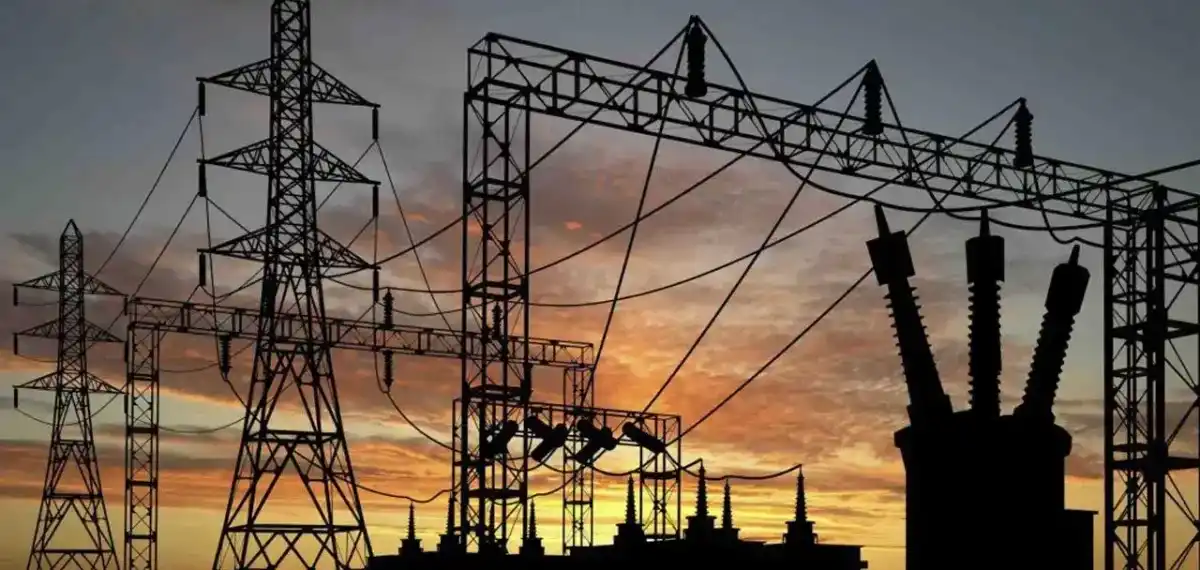
Nigeria’s electricity band classification system is rapidly losing credibility as power supply across major cities continues to fall far below promised levels, leaving millions of consumers paying higher tariffs for unreliable service.
Recent findings reveal that feeders in Lagos, Abuja, Port Harcourt and Calabar are no longer meeting the minimum supply hours set by the Nigerian Electricity Regulatory Commission under the band structure. The policy guarantees at least 20 hours daily for Band A, 16 hours for Band B, 12 hours for Band C, while Bands D and E receive 8 hours and 4 hours respectively. However, actual delivery in many areas is significantly lower.
Consumers have expressed frustration over the widening gap between policy and reality. Many who were initially classified under higher bands report being downgraded without clear communication, while still experiencing poor supply. This has forced households and businesses to rely heavily on generators, increasing operational costs amid rising fuel prices.
Energy experts argue that the band system does not address the deeper structural issues in the sector.
Challenges such as aging infrastructure, high technical and commercial losses, inadequate metering, poor investment strategies and gas supply constraints continue to undermine performance. The financial inility of electricity distribution companies has also contributed to declining service delivery.
The Federal Government and lawmakers are now considering sweeping reforms, including possible re privatization of distribution companies and the creation of a new policy council to oversee the sector.
Meanwhile, enforcement measures by regulators such as fines, downgrades and customer compensation have done little to restore confidence.
Stakeholders warn that unreliable electricity supply remains a major obstacle to economic growth, increasing production costs, discouraging investment and fueling inflation. Urgent and comprehensive reforms are widely seen as critical to ilizing Nigeria’s power sector and restoring public trust.
















Leave a comment