


Nigeria’s fiscal pressures deepened in the first quarter of 2026 as the Federal Government increased domestic borrowing to N8.1 trillion, representing a 7.4 percent year on year rise from N7.5 trillion recorded in the same period of 2025.
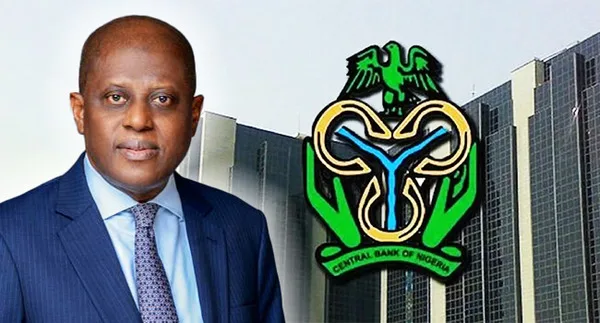
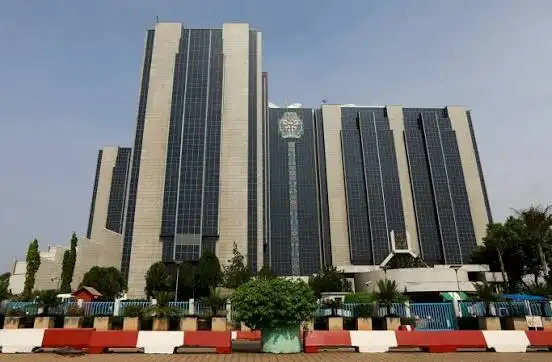
Data from the Central Bank of Nigeria and the Debt Management Office show that the increase was largely driven by higher issuance of FGN Bonds and Savings Bonds, even as Treasury Bills declined during the period.

Analysts have linked the rising borrowing trend to persistent revenue shortfalls and fiscal indiscipline, warning that the government’s growing reliance on debt could worsen economic ility. They urged authorities to cut waste, improve revenue collection, and strengthen fiscal discipline to avoid long term risks.
Under the 2026 budget, the Federal Government plans to borrow N29.2 trillion to finance its expenditure gap. However, with N8.1 trillion already raised domestically and about six billion dollars in new external loans recently approved, there are growing concerns that the government may exceed its borrowing target for the year.
The World Bank has also raised alarm over the country’s rising debt service burden, warning that it is significantly limiting the government’s ability to invest in critical infrastructure. According to its latest Nigeria Development Update, capital spending dropped to 1.0 percent of GDP in 2025 from 1.3 percent in 2024, reflecting the strain of debt obligations on public finances.
The report highlighted that Nigeria’s debt service to revenue ratio stood at nearly 50 percent in 2025 and is expected to remain elevated in the coming years, crowding out investments in infrastructure and human capital development.
Financial experts noted that a large portion of new borrowing is being used to service existing debts, creating a cycle that could lead to a debt trap if not addressed. They also warned that excessive domestic borrowing may crowd out private sector investment and contribute to inflationary pressures.
Despite these concerns, some analysts argue that borrowing can support economic growth if channelled into productive infrastructure projects. However, they stress that efficient use of funds and improved revenue generation remain critical to ensuring long term sustainability.
With borrowing expected to remain high in the coming months, experts have called for urgent reforms, including stronger tax systems, disciplined budget execution, and strategic investment in growth enhancing sectors.


















Leave a comment