

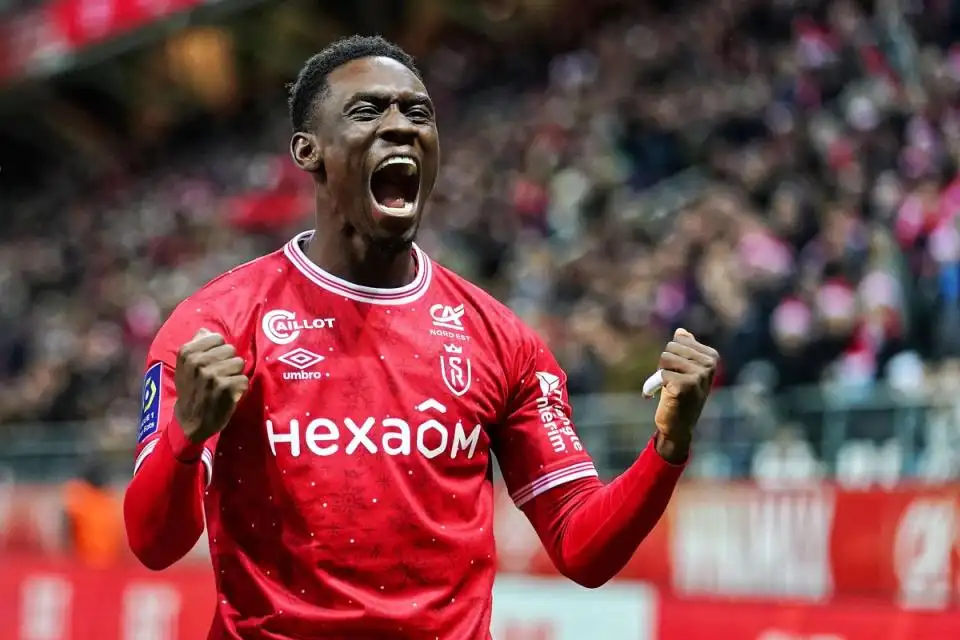
Folarin Balogun was never supposed to be American. Yet there he stood in Los Angeles on Friday night, the hero of USA’s opening World Cup match, a Londoner of Nigerian heritage who became the poster boy for an immigration story that sits awkwardly alongside the current administration’s hardline approach to border control. As Donald Trump’s government uses the tournament to showcase its tough stance on immigration, flexing against fans, players, staff and even celebrated Somali referees, Balogun’s very presence on the pitch tells a strikingly different tale of what America can be.
The striker’s journey to representing the United States began with a twist of fate in the summer of 2001. His parents, living in London at the time, took a holiday to New York when his mother was seven months pregnant. Airline attendants refused to allow her on the return flight home, forcing the family to remain in the city where Folarin Jerry Balogun was born in Brooklyn on 3 July. Baby Balogun was automatically granted US citizenship under birthright citizenship laws based on the 14th amendment to the Constitution, the very laws that Trump’s administration is now attempting to rewrite. Had the president’s new proposals been in effect two decades ago, the United States would not have had their star striker scoring twice in a commanding 4-1 victory over Paraguay.
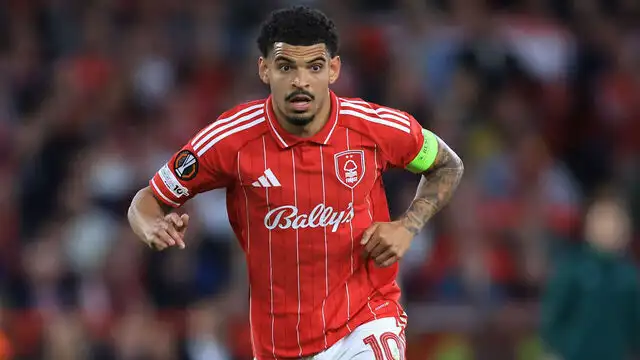
Persuading dual nationals to pledge allegiance to the Stars and Stripes has been central to the US Soccer Federation’s strategy over the past decade, and it has yielded remarkable results. Sergino Dest could have played for Suriname or the Netherlands, where he was born. Antonee Robinson hails from Milton Keynes and could have chosen England or Jamaica. Balogun himself deliberated long before selecting the USA over England or Nigeria. Three years ago, after being excluded by the England setup, he posted on Instagram: “In life, go where you’re appreciated.” Speaking after his double against Paraguay, he reflected on that choice with satisfaction. “I feel like today was a great opportunity to continue to show the fans I made the right decision,” Balogun said. “I am completely proud, I want to continue to make the fans proud as well.”
Arsenal plucked Balogun from the Sunday league pitches of east London and sculpted him into a professional talent worthy of two contracts with the club. Although he never received a sustained run in the first team at the Emirates, the Gunners valued him highly enough to secure 30 million euros from Monaco for his services. After weathering some injury setbacks, Balogun has flourished in the principality this season, netting 19 goals to claim the club’s player of the season award. He arrives at this World Cup with rhythm and confidence, attributes that even some tournament favourites cannot claim for their strikers.
Captain Tim Ream spoke this week about what Balogun brings to the team, highlighting qualities the United States has desperately needed. “His movement in behind and getting himself in the goalscoring positions is soing that we’ve been crying out for for a long time,” Ream explained. Balogun is a pure goalscorer who relies on intelligence and instinct rather than physical dominance. His first goal against Paraguay exemplified this approach, a typical one-touch finish born of positioning and anticipation. His second was even better, a brilliant strike that showcased a player brimming with belief. While there has been considerable fretting over Christian Pulisic’s unconvincing recent form, the emergence of Balogun as a reliable goal threat provides welcome insurance.
Beyond the goals and the tactical benefits, Balogun’s story illustrates how the US Soccer Federation’s inclusive recruitment strategy has created not just a talented squad but a diverse, eclectic band of brothers raised across the world and now competing in leagues spanning the globe. Balogun may represent their greatest coup of all, a player who embos multiple identities and carries multiple stories within him. As the tournament progresses on American soil, his presence raises questions about national identity, belonging and who gets to call themselves American. Whether he leads the United States deep into the knockout stages remains to be seen, but his journey from an unexpected Brooklyn birth to World Cup hero has already written one of the tournament’s most compelling narratives.
You May Like











Leave a comment