

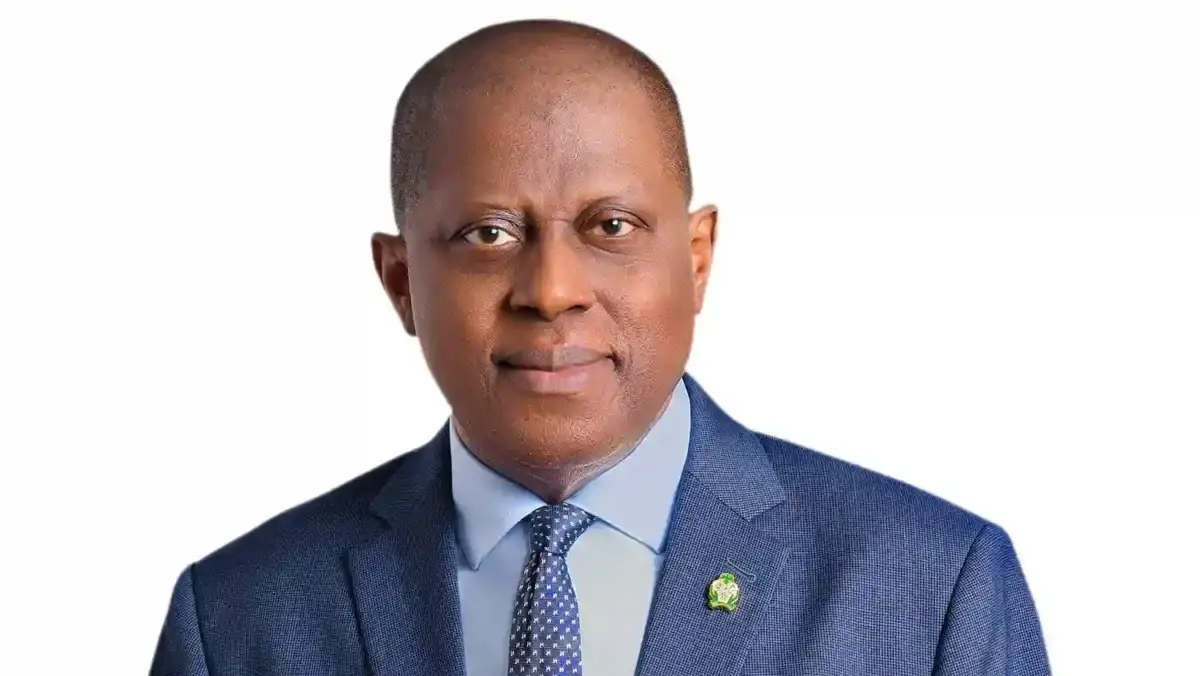
The Governor of the Central Bank of Nigeria, Mr Olayemi Cardoso, has warned that the rapid rise of lecoins and private digital payment platforms could increase foreign exce volatility and weaken monetary policy transmission across emerging economies.
Cardoso delivered the warning at the G24 Technical Group Meeting in Abuja during a plenary session titled Digital Cross Border Payments Global Finance and Economic Transformation Opportunities and Risks. He cautioned that the expansion of private digital platforms may lead to currency substitution, capital flow pressures and regulatory fragmentation if not properly managed.
According to him, cross border payments remain slow, costly and fragmented, especially in developing countries. With global remittance corridors averaging costs above six per cent and settlement delays stretching for days, many small businesses and individuals remain excluded from global financial opportunities.
He stressed that while digital innovation presents significant opportunities to improve efficiency, poor coordination across jurisdictions could entrench dominant currencies and undermine monetary sovereignty in emerging markets.
Cardoso noted that Nigeria has taken steps to modernise its payments ecosystem through stronger oversight of switching and payment providers, improved agent banking regulations and enhanced interoperability across channels.
He disclosed that the apex bank is finalising a new Payment System Vision 2028 to strengthen resilience, drive innovation and expand financial inclusion. In June 2025, Nigeria launched the National Payment Stack, a real time payment system built on ISO 20022 messaging to support multi currency and cross border transactions.
The governor also highlighted reforms such as the Non Resident Nigerian accounts and the Non Resident BVN platform, which have helped raise remittance inflows to an average of 600 million dollars monthly.
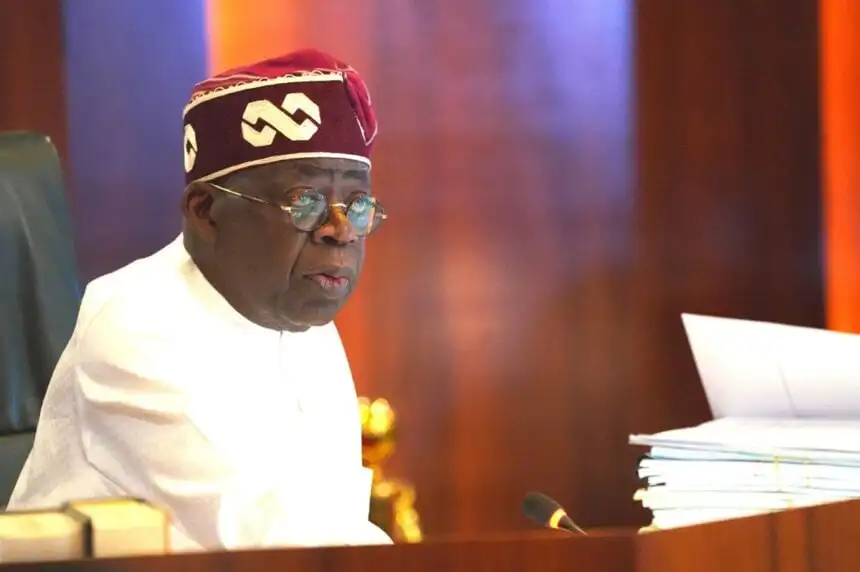
Cardoso reaffirmed Nigeria’s commitment under President Bola Tinubu to collaborate with the IMF and the World Bank Group in building a more inclusive global financial system.
Tags
You May Like












Leave a comment