
Senior Advocate of Nigeria Ebun Olu Adegboruwa has described the judgment of the High Court of the Federal Capital Territory ordering the Socio Economic Rights and Accountability Project to pay N100 million in damages as troubling and inconsistent with elished legal principles.
The ruling was delivered by Justice Yusuf Halilu in a defamation suit filed by officials of the Department of State Services against SERAP, leading to an order for damages, public apology, litigation costs, and post judgment interest.

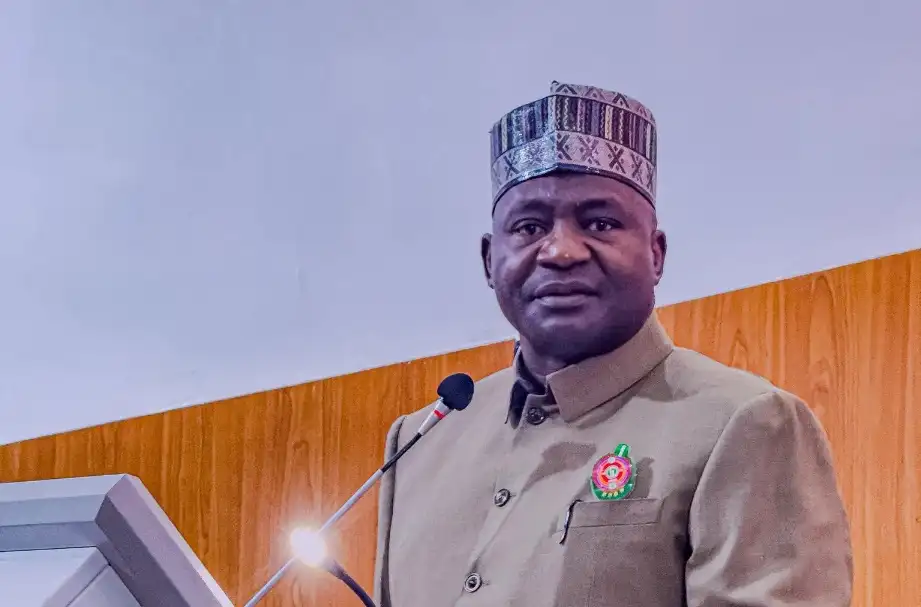
Adegboruwa, who is part of the legal team representing SERAP, said the judgment failed to properly address key legal arguments presented in court, particularly the issue of whether the agency involved is legally recognised as DSS or SSS.
He argued that the court did not adequately consider whether public officers can sue for defamation on behalf of government institutions in relation to actions carried out in the course of their official duties.
According to him, the ruling raises concerns about the legal standing of the plaintiffs, especially as they are still reportedly under internal investigation by their employer regarding the same matter.
He further questioned how damages were determined, noting that the court awarded a substantial sum without clear evidence of the plaintiffs ranks, earnings, or basis for quantifying reputational harm.
Adegboruwa also criticised the decision to award 10 percent post judgment interest, arguing that such interest is typically associated with contractual disputes rather than defamation cases.
He described the judgment as unusual and potentially dangerous for democratic governance, warning that it could have implications for civil society organisations and advocacy groups operating in Nigeria.
He maintained that SERAP intends to challenge the ruling on appeal, expressing confidence that higher courts will review the legal and procedural issues involved.
The case has sparked debate among legal observers over the boundaries of defamation law, the rights of public officers, and the accountability of government institutions in litigation involving civil society organisations.
SERAP has been involved in several high profile legal actions relating to governance, accountability, and human rights in Nigeria, often drawing attention to transparency issues within public institutions.
The appeal process is expected to further clarify the legal questions surrounding the case as it moves to a higher court for review.
You May Like


















Leave a comment