

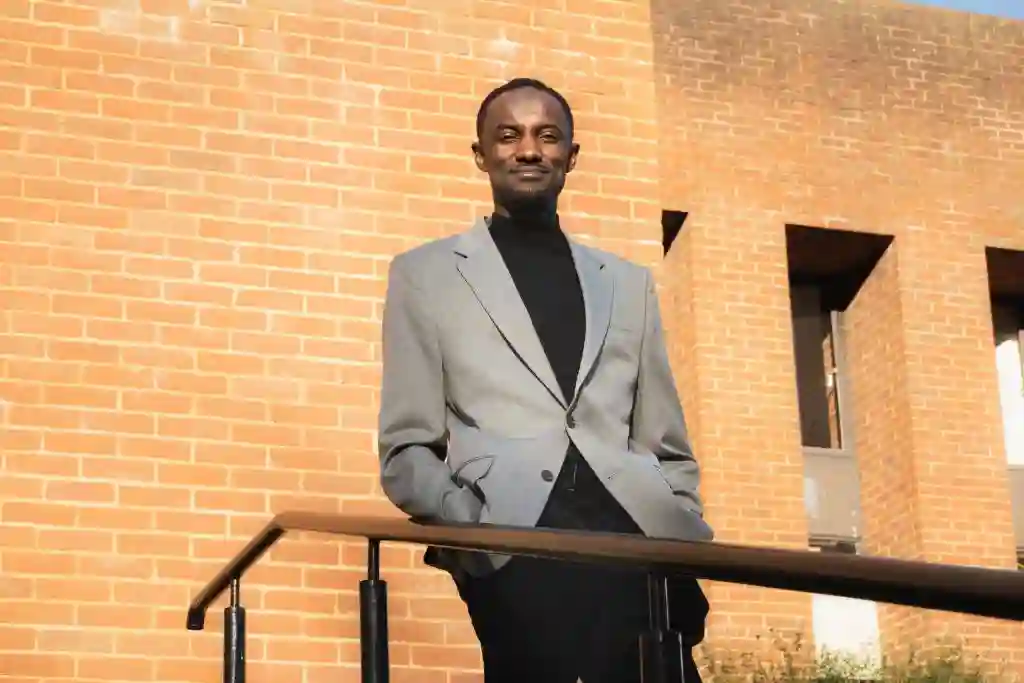
Africans could continue consuming medicines developed without adequate testing on their populations, exposing patients to treatments whose effects may not be fully understood on the continent. Professor Mahmoud Bukar Maina, a Nigerian neuroscientist, issued the warning at the 23rd Scientific Conference and Annual General Meeting of the Neuroscience Society of Nigeria in Abuja, calling for greater investment in research driven by Africa’s own health needs.
The problem extends beyond dementia research to medicine development generally. African populations are often underrepresented in research and clinical testing that determine how drugs work and their possible side effects, according to Maina. He argued that Africans have become consumers rather than drivers of their own health needs.
Why does this matter? Africa’s genetic diversity makes locally generated medical evidence particularly important. Findings from stus conducted in Europe, North America and other regions cannot always be assumed to apply fully to African populations, Maina explained.
The research deficit is already evident in dementia care. Cases in West Africa are projected to increase by 348 per cent over the next 25 years, yet less than one per cent of dementia research globally had come from Africa up to 2022. The continent remains woefully unprepared to tackle the looming health burden.





















Leave a comment