

At 102 years old, Monty Goldstein has witnessed a century of British history, fought for his country during the Second World War, and built a life as a proud Englishman. Yet today he finds himself asking a heartbreaking question: what have I done to deserve this? Speaking about the resurgence of antisemitism in modern Britain, the Royal Artillery veteran expressed deep sadness that Jewish people once again face hostility and hatred through no fault of their own. His words come as hate crimes against Jewish communities have spiked across the country, leaving many feeling vulnerable in areas they have called home for generations.

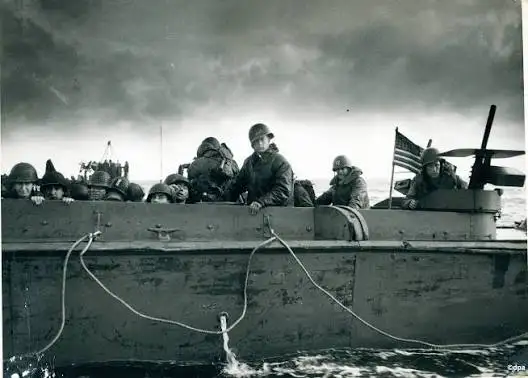
Goldstein, who was conscripted into the Army in 1943 at age 18, served in an anti-aircraft and searchlight regiment defending London against German ing raids. Born on Commercial Road in east London in July 1924, he grew up during what he describes as a dicey time when Sir Oswald Mosley’s British Union of Fascists were active in the capital’s streets. He recalls there being a lot of antisemitism in the years surrounding the war, but more than eight decades after his service, he finds himself facing the same situation. England is not the same as it was when he was a boy, he says, and the shift troubles him deeply.
Recent incidents have underscored the severity of the problem. Two Jewish men were bed in Golders Green, north London, in April, and a former synagogue in Whitechapel was targeted in an arson in May. Goldstein pointed specifically to the Golders Green area, noting that some people are now afraid to walk the streets. What happens abroad is not my fault, and I can’t help, he explained, expressing the frustration of British Jews who find themselves blamed for events beyond their control. He describes himself as a nice, peaceful chap who keeps out of mischief and has never been in trouble, yet still faces hostility simply for being Jewish.

Britain is my country, and I know it, and I look up to it, Goldstein insists. I don’t know anything else. I’m an Englishman. I’m an Englishman first. His loyalty to the nation he served remains unwavering despite the discrimination he faces. He tries to be a good citizen and pay his way, yet questions why Jewish people continue to be ed. Goldstein believes schools bear responsibility for addressing the problem, arguing that some sections of society are taught to hate Jews without any reason, just because they’re Jews. Jewish communities have tried to be good citizens and do their best, he says, yet are still considered hostile with little they can do to ce perceptions.
After the war, Goldstein joined Ajex, the Association of Jewish Ex-Servicemen and Women, and has attended remembrance events every year since 1945. His dedication to honoring those who served and d for Britain has been a constant throughout his long life. Yet he now observes that the country is no longer looked up to in the way it once was. Sometimes you’re afraid to say you’re an Englishman, he reflects. Instead of being proud holding the flag, sometimes you’re afraid, which is wrong. He worries that in some sections of society, Jewish Britons are treated as second class citizens, a status he firmly believes they should not have to endure.

Looking back on the years since the war, Goldstein expresses dismay at what he sees as regression rather than progress. We fought for five years against tyranny and all that, and instead of going ahead we’re going backwards, which is not a good sign, he says. Some people now want to leave the country altogether, though he declines to comment on whether that is right or wrong. Now living in Chadwell Heath, east London, his advice to fellow Britons is simple: stay on the right track, keep out of mischief, be helpful, and try to support your fellow citizens. As communities across Britain grapple with rising intolerance and division, the words of a centenarian who gave his youth to defend the nation carry particular weight. His question, what have I done to deserve it, stands as both a personal plea and a broader challenge to a society that must confront why those who served and contributed most still face hatred and fear.











Leave a comment