
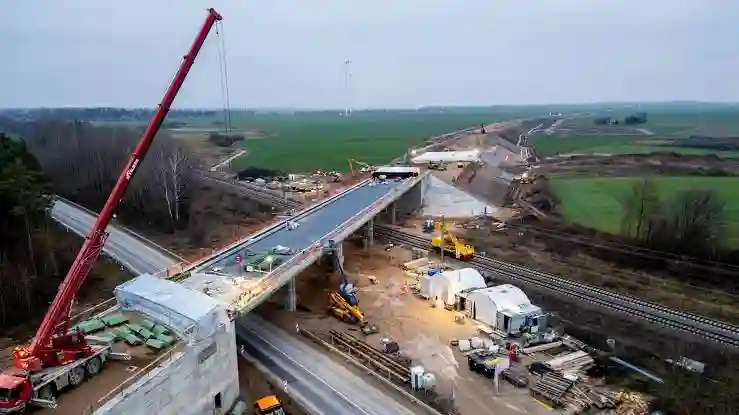
Growing diplomatic tensions are emerging among Baltic states over the future of Rail Baltica, with Estonia expressing mounting frustration at Latvia’s ambiguous position on the troubled multinational rail project. Latvia’s intentions regarding the ambitious infrastructure initiative have become a source of mystery and concern for partner countries working to complete what was envisioned as a transformative transportation link connecting the Baltic region to the rest of Europe.

Rail Baltica represents one of the most significant infrastructure undertakings in the Baltic states’ post-independence history, designed to create a modern high-speed railway corridor stretching from Tallinn through Riga and on to the Polish border. The project has faced numerous challenges since its inception, including cost overruns, construction delays, and coordination difficulties among the three participating nations. What was once celebrated as a symbol of regional cooperation and European integration has increasingly become a test of political will and financial commitment.
Estonian officials have grown increasingly vocal about their concerns regarding Latvian commitment to the project, particularly as critical construction deadlines approach and funding decisions loom. Latvia’s hesitation or unclear messaging has created uncertainty that reverberates beyond bilateral relations, affecting contractors, timelines, and the confidence of European Union funders who have committed substantial resources to the initiative. Without clear alignment among all three Baltic partners, the entire project risks further delays or potential restructuring that could fundamentally alter its scope and ambition.

Observers familiar with major European infrastructure projects note that such multinational initiatives require unwavering political commitment from all parties to succeed. When one partner appears to waver or reconsider its involvement, it creates a domino effect that can undermine investor confidence, complicate procurement processes, and potentially strand already completed segments of construction. Rail Baltica has already consumed significant public investment from all three countries, making any reversal or major revision politically and financially costly.
Latvia’s apparent indecision comes at a particularly sensitive moment for European infrastructure planning, as the continent reassesses strategic connectivity in light of evolving security concerns and economic pressures. Rail Baltica was conceived not merely as a transportation project but as a strategic asset that would reduce Baltic dependence on legacy Soviet-era infrastructure and strengthen ties with Western Europe. Any diminishment of the project’s scope would have implications extending well beyond transportation efficiency to questions of regional security and economic integration.
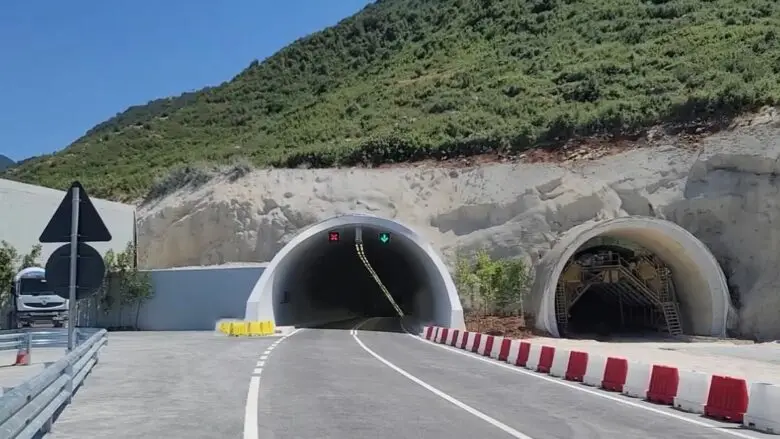
Looking ahead, Estonia and Lithuania face difficult decisions about whether to proceed with their portions of the network if Latvian commitment remains uncertain, or whether to apply diplomatic pressure to secure a definitive answer from their neighbor. European Union officials will likely monitor the situation closely, as Rail Baltica serves as a test case for ambitious cross-border infrastructure cooperation in smaller member states. How the three Baltic nations resolve this impasse will shape not only their own economic futures but also provide lessons for similar collaborative projects across Europe facing financial constraints and competing national priorities.
















Leave a comment